Contemporary Italy
By
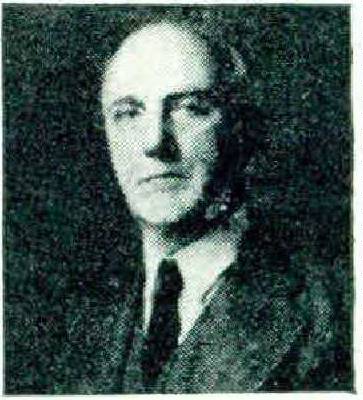
BETTER than any other contemporary statesman, Count Sforza understands what Julius II once called il giuoco del mundo, the game of world politics, because it is bred in his bones. This book is but another proof of it, if further proof were needed. For besides dealing with the tragic evolution of Italy’s political and cultural institutions, the story develops a world view in the sense that world affairs, under Count Sforza’s brilliant pen and vast experience, move against the background of happenings in the author’s native land. It is a vivid and fascinating account by an expert whose like is all too rare in our epoch of mediocre amateurishness. Count Sforza speaks of what he knows, because he was an intimate participant in all the major international political and diplomatic events that occurred in the long armistice between the First and Second World Wars.
One cannot lay this book down without a sigh of regret that Sforza’s amazing clarity of vision and his wise counsels were not more frequently followed in the years that led up to the disaster which has overtaken mankind. If to foresee is the true and ultimate measure of statecraft, Sforza is the master of them all. He foresaw everything: Pétain’s treason, Weygand’s obscurantism. Franco’s role, Mussolini’s stab in the back, Victor Emmanuel’s cretinism, Benes’s grandeur of spirit, Daladier’s weakness. There are some harrowing revelations in this book on the men who had and still have the destiny of mankind in their hands. The only fault one can find is the author’s total neglect of the economic factors that contributed to the shaping of events.
Yet Contemporary Italy is of supreme timeliness. No man who wants to keep abreast of what is happening in Europe, and especially in Italy, can do without it. This book gives him the background of the immediate past and the basis of the future. Dutton. $3.50.
PIERRE VAN PAASSEN
PIERRE VAN PAASSEN