
The Geography of Oppression
Shooting from a helicopter, the artist LaToya Ruby Frazier documented how King’s assassination affected the physical structures of cities.
Fifty years after Martin Luther King Jr.’s assassination, his legacy is still being written.
This work was commissioned, produced, and edited by The Atlantic's editorial staff. Support for this work was provided in part by the organizations listed here.
Support for this project has been provided by the Fetzer Institute, the Ford Foundation, and the Charles H. Revson Foundation.
Shooting from a helicopter, the artist LaToya Ruby Frazier documented how King’s assassination affected the physical structures of cities.

Good jobs in black communities have disappeared, evictions are the norm, and extreme poverty is rising. Cities should be exploding—but they aren’t.

In excavating the story of King’s visit to Harlem Hospital, I uncovered my grandfather’s own fight for civil rights—and realized I’d misunderstood his legacy as a black doctor all along.

“A Freedom Budget for All Americans” proposed spending billions of federal dollars to provide jobs and basic welfare to all citizens.

“America is cool because of black people. Our music is black. Our aesthetic is black … We are as American as you can be, and what do we get for it?”

Americans both black and white often use the civil-rights leader’s memory more to chide black youth than to inspire them.

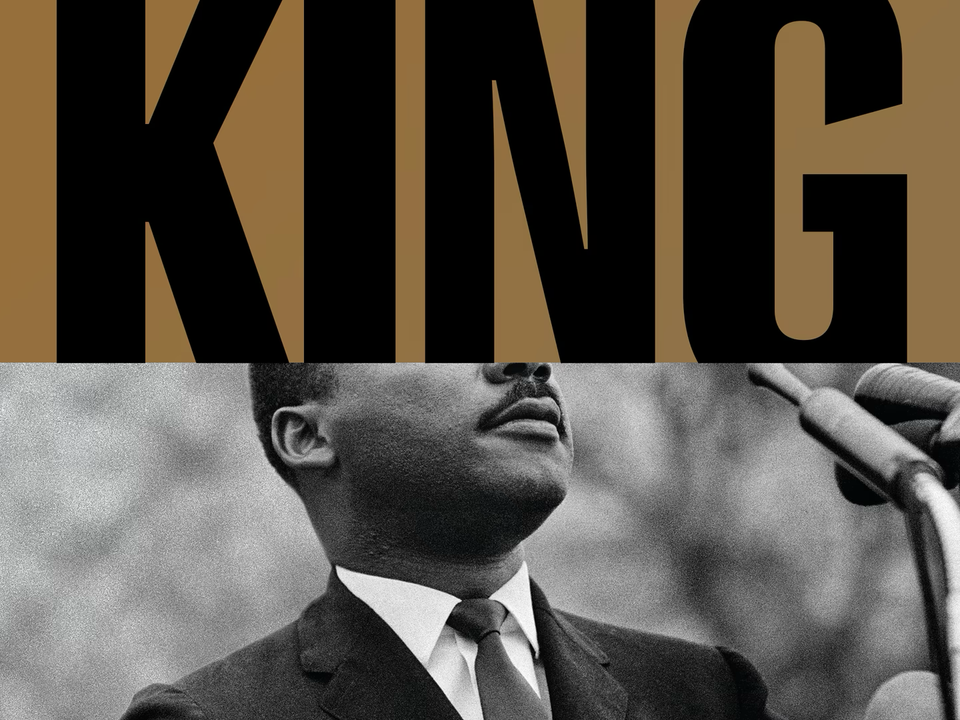
The designer of our Martin Luther King Jr. special edition describes his inspiration.

In early 1968, the activist planned a massive protest in the nation’s capital.

On Easter Sunday in 1958, the civil-rights leader led a “prayer pilgrimage” in Montgomery, Alabama, to protest the inequality of a young man's death sentence.

Martin Luther King Jr. was a master television producer, but the networks had a narrow view of what the black struggle for equality could look like.