
Revisiting One of King's Final and Most Haunting Sermons
Delivered two months before he died, “The Drum Major Instinct” saw the preacher give his own eulogy.
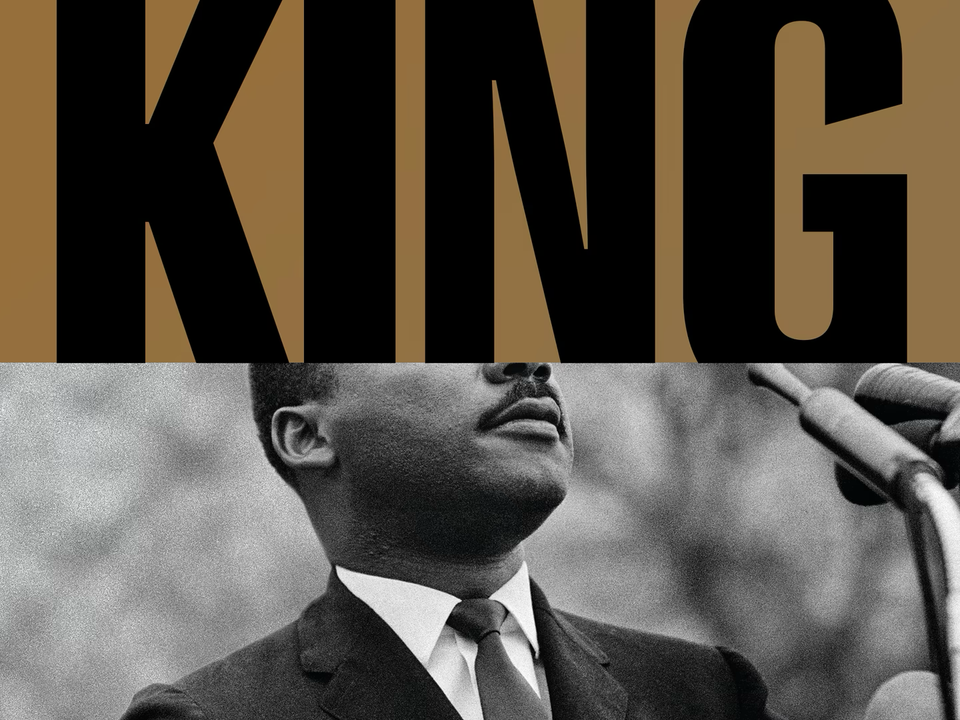
Fifty years after Martin Luther King Jr.’s assassination, his legacy is still being written.
This work was commissioned, produced, and edited by The Atlantic's editorial staff. Support for this work was provided in part by the organizations listed here.
Support for this project has been provided by the Fetzer Institute, the Ford Foundation, and the Charles H. Revson Foundation.
Delivered two months before he died, “The Drum Major Instinct” saw the preacher give his own eulogy.

Martin Luther King Jr. on what sparked the violent urban riots of the “long hot summer” of 1967

Martin Luther King Jr.’s dream of an integrated America was about creating a more equal society, but to many white homeowners, it was a threat.

The nation’s problem isn’t that we don’t have enough money. It’s that we don’t have the moral capacity to face what ails society.

In 1967, the civil-rights leader foresaw that white resistance to racial equality would stiffen as activists’ economic agenda grew more ambitious.

Fifty years ago, Martin Luther King Jr. was shot and killed, and then America created a version of him that it could love.

Activist Bree Newsome on bridging the divided perspectives of the young and old.

In preparing this special issue on Dr. King and his legacy, we scoured the magazine’s pages looking for articles that might give historical context to the struggle for which he lived and died.

In June 1965, the Voting Rights Act languished in the House Rules Committee after passage in the Senate. Martin Luther King Jr. wrote this letter to the New York Amsterdam News urging its passage as the first step in ensuring access to the ballot.

She was far more than her husband’s helpmate, but along with many other leaders of the era, her leadership was hidden in plain sight.