
Martin Luther King Jr. on the Vietnam War
“The greatest irony and tragedy of all is that our nation, which initiated so much of the revolutionary spirit of the modern world, is now cast in the mold of being an arch anti-revolutionary.”
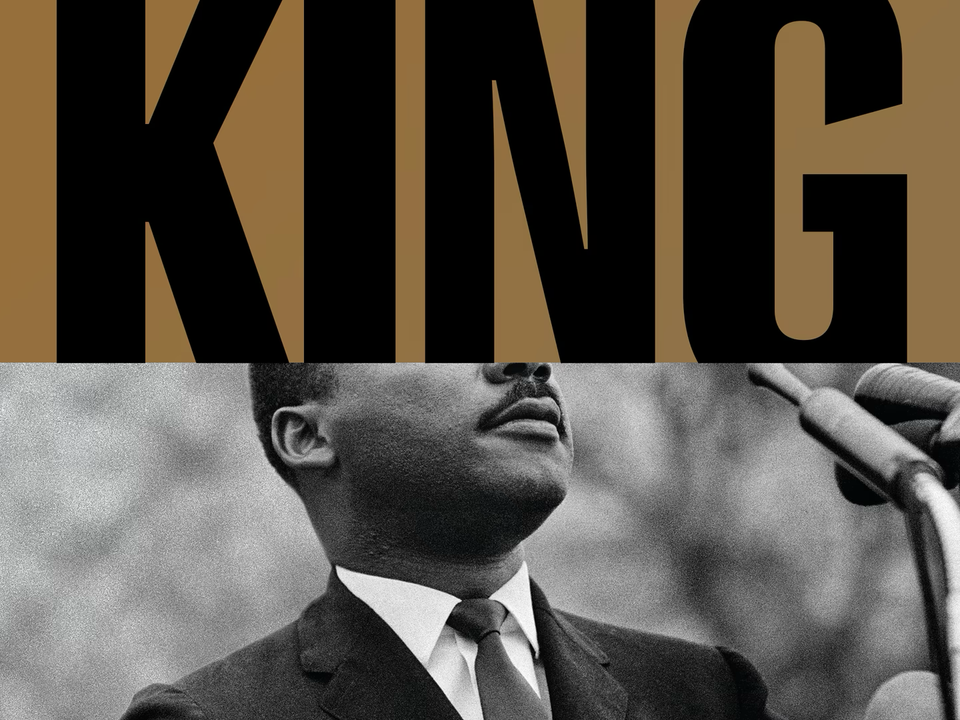
Fifty years after Martin Luther King Jr.’s assassination, his legacy is still being written.
This work was commissioned, produced, and edited by The Atlantic's editorial staff. Support for this work was provided in part by the organizations listed here.
Support for this project has been provided by the Fetzer Institute, the Ford Foundation, and the Charles H. Revson Foundation.
“The greatest irony and tragedy of all is that our nation, which initiated so much of the revolutionary spirit of the modern world, is now cast in the mold of being an arch anti-revolutionary.”

Ten years after Brown v. Board of Education, Martin Luther King Jr. condemned how little had changed in the nation's classrooms.

The civil-rights activist’s vision for education was far grander than integration alone. How disappointed he would be.

Incarcerated people today aren’t so lucky.

The death of Martin Luther King Jr. wasn’t a galvanizing event, but the premature end of a movement that had only just begun.

Racism was only the first.


Before he led the Montgomery bus boycott or marched on Washington, Martin Luther King Jr. was a chain-smoking, pool-playing student at Crozer Theological College just discovering his passion for social justice.

The artist’s works turn the brutality of history inside out.

During another polarizing period in America’s history, Bernice A. King lays out three actions that she thinks her father would offer today.