
King's Death Gave Birth to Hip-Hop
The assassination of Martin Luther King Jr. led directly to hip-hop, an era of black American culture, politics, and art that is often contrasted with his legacy.
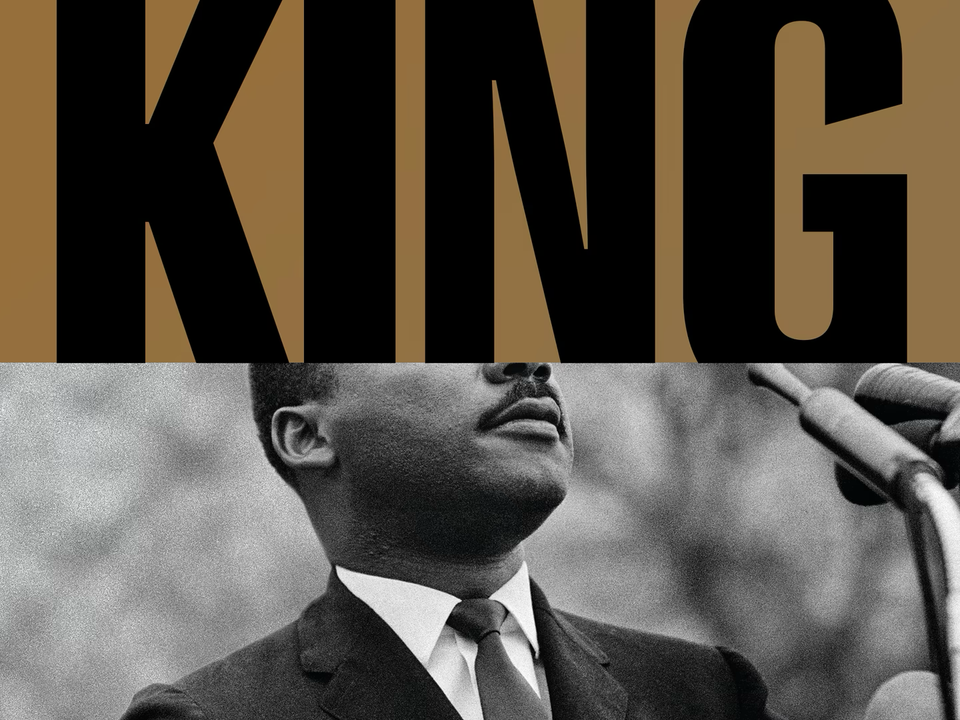
Fifty years after Martin Luther King Jr.’s assassination, his legacy is still being written.
This work was commissioned, produced, and edited by The Atlantic's editorial staff. Support for this work was provided in part by the organizations listed here.
Support for this project has been provided by the Fetzer Institute, the Ford Foundation, and the Charles H. Revson Foundation.
The assassination of Martin Luther King Jr. led directly to hip-hop, an era of black American culture, politics, and art that is often contrasted with his legacy.

The day after King’s death, the writer-activist wrote a poem about what his loss meant to a movement. Fifty years later, she discusses how his model of leadership lives on.

On the 50th anniversary of King’s death, here’s a look at how he’s been covered in The Atlantic.

In the months leading up to his assassination, King’s greatest focus was on poverty and economic injustice.

The Georgia congressman on what it was like to know the iconic activist

Five days after King was assassinated, his “spiritual mentor” Benjamin Mays delivered a eulogy for his former student.

“We will reach the goal of freedom in Birmingham and all over the nation, because the goal of America is freedom.”

The campaign against Jim Crow was always embedded in a larger global battle against white supremacy.

Fifty years ago today, Martin Luther King Jr. delivered his “I've Been to the Mountaintop” speech in Memphis, one day before his assassination. After this champion of nonviolent protest was murdered, riots broke out in more than 100 cities across the U.S.

In order to evaluate what Martin Luther King Jr.’s stance of nonviolence has contributed to our current view of protest, it bears noting that the concept of his nonviolence has been flattened.