Argentine Diary
By
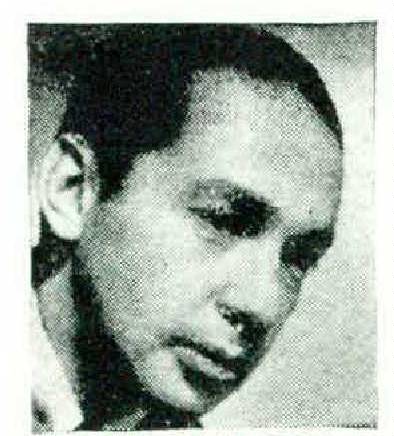
THIS is a day-by-day account of almost eight months of revolution in the Argentine Republic from June 4, 1943, when a junta of Fascist-minded colonels marched their troops into Buenos Aires and took over the government, to that moment late in January when the junta was forced by its political embarrassments to make a phony diplomatic break with the Axis powers.
Of all the hundreds of revolutions in Latin America, no other has been quite like this one. Most of its predecessors have grown out of personal struggles for power among local caudillos, or, more rarely, out of deep-seated domestic issues like the epic social and agrarian wars which began in Mexico in 1911.
The Argentine trouble was sparked by foreign ideas and influences —ideas borrowed from German militarism from Nazi and Italian Fascist and especially from Spanish Falangist political philosophy, from reactionary clericalism and from the labor-baiting wings of big industry and big agriculture, all adapted to the Argentine local scene.
As a result, the government which rules Argentina today is, to a more dangerous degree than any other in the history of the Western Hemisphere, non-American and, in the broad sense, anti-American. It is openly and by its actions against all the freedoms inherent in democracy — freedom of speech, of assembly, of popular legislation, and of political organization. It is against collaboration with the other American republics in seeking any of the aims or benefits of democracy. Hence, except in a few matters where its own immediate economic interests are concerned, it is against collaboration with the inter-American policies of the United States. In its own foreign policy in fact, Aim Number One of the Buenos Aires militarists’ junta seems to be to defeat Washington’s interAmerican program by aligning the largest possible bloc of Latin American states against it.
Other dictatorial regimes in Latin America have been equally ruthless in the suppression of popular liberties in their home bailiwicks. But now for the first time since the American peoples began teaming together m a PanAmerican movement more than half a century ago, a government has seized power in the Western Hemisphere opposed by its Old World political alignments and its active policy to everything that Pan-Americanism stands for. For the first time, the issue had been joined in the Hemisphere between Democracy and Fascism in its showiest uniform.
Argentina is an immensely powerful country, and the men now in control there know what they want and where they propose to go. The outcome of this basic conflict will affect the people of the United States and those of the friendly republics to the south.
Ray Josephs’s book is the liveliest, the fullest, the most accurate coverage of those issues we have had yet. Argentine Diary, with its amazingly rounded entries, gives one a chance to live through the dodges and changes of Latin America’s most dangerously significant revolution, to watch with daily intimacy the processes by which military demagoguery follows the Hitler pattern. There are occasional errors of judgment in it, since this is not one of those diaries in which the prophetic skill is perfected by post-editing. But here is your ringside seat for a close-up of American Fascism.
Mr. Josephs is a staff writer for PM. In carrying out this assignment he has placed himself in the top flight of American political correspondents. Random House, $3.00.
DUNCAN AIKMAN