The Lost Weekend
By
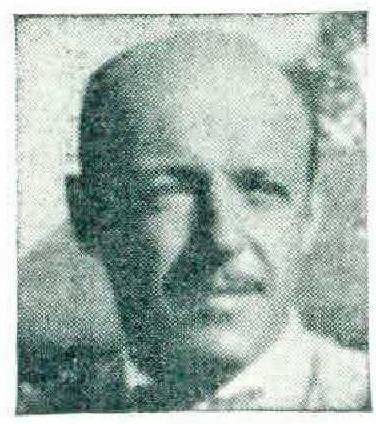
CHARLES JACKSON, ace radio-playwright, has been successful in overcoming the great hazards that attend writing a novel about a dipsomaniac. The chief hazard was that Don Birnam, for whom one drink was too many and a hundred drinks not enough, would be both pitiful and horrible to the reader. The problem of “casting ” Birnam was that of establishing in the reader a sympathetic interest.
This interest is won because Birnam is portrayed as a man not himself, but an inexplicable creature on a five days’ binge causing the real Birnam anguished remorse, painful self-analysis, and a tragic feeling of waste. His drunken memories revolve around crises in childhood and adolescence, but although a “foolish foolish psychiatrist” figures in the story, the author advances no pat explanation for Birnam’s remaining caught in his adolescence. Birnam is a complex imaginative person, and it is his own sophisticated and tormented commentary upon his periodical bottle-crazes that brings him and the reader together in sympathy. Thus The Lost Weekend escapes the dreary fate of being another novel about a misfit in whom the reader can take only a clinical interest.
Here is a world of suffering that few people, least of all regular hard drinkers, know anything about—the hallucinatory world of the dipsomaniac who goes days without eating, who sweats and shakes, who dodges people and drinks cheap whiskey by the tumbler. Charles Jackson will be compared to Scott Fitzgerald. The kinship between the prose of the two writers shows up at once in the
rhythm and the simile of this sentence from The Lost Weekend: “He listened to the footsteps and laughter and violent talk dying away, and then the tolling bellbuoy and the seagulls took over once more, their plaintive thin cries sounding like chalk scraping fitfully, intermittently, on some vast blackboard raised high in the black night.” But it is more than a stylistic resemblance. Like Fitzgerald, Charles Jackson has a demonic force driving his pen. Farrar & Rinehart, $3,50.
STYLISTIC RESEMBLANCE.