A Treasury of Science
Edited by , and
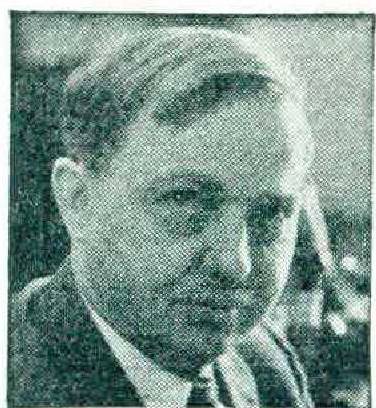
YEAR by year our dependence on laboratory findings has increased in inverse ratio to our comprehension of the scientific processes which nurture us or destroy us. Few scientists have the time or special talent to explain their work, but now and then notable men of science have established communication with the outside world, and some of their most distinguished efforts are in Dr. Shapley’s 700-page compilation. These essays, and those of able interpreters, have made this volume a stout, broad bridge from the layman’s mainland to the magic island of discovery.
Is there life on other worlds? What makes the weather? How did chemistry originate? What did Mendel actually find out? What is inside an atom? What is the future of power? These are some of the matters dealt with in a book less concerned with technical achievements than with their background. Among noted contributors are T. H. and Julian Huxley, Charles Darwin, Sir Isaac Newton, Ivan Pavlov, Eve Curie, Sir James Jeans, Benjamin Franklin, and Earnest A. Hooton. Chapters which read like fiction (compliment intended) are Dallas Lore Sharp’s “Turtle Eggs for Agassiz,” Fairfax Downey’s “Last Days of St. Pierre,” and J. B. S. Haldane’s “The Last Judgment.” Those who smile at the passion of researchers for obscure and minute goals should read Oliver La Farge’s “Scientists Are Lonely Men,” and perhaps scientists will be a little less lonely.
There should be more good public highways into the land of science, even if some of the excursionists annoy the workers and are careless with eggshells. Harper, $3.95.
HARLAND MANCHESTER