-
![]()
NBC Jimmy Fallon Tries to Take On Trump
The Tonight Show host, long derided for his lack of hard-hitting political material, is struggling to stay relevant in 2017.
-
![]()
HBO Big Little Lies: Sex and Murder in Monterey
HBO’s compelling new mystery gives desperate-housewives melodrama an artistic sheen.
-
-
![]()
Gianni Fiorito/HBO What The Young Pope Preached About Love
The first season of HBO’s Vatican dramedy portrayed a journey from amplifying suffering to easing it.
-
![]()
Showtime Homeland's Crisis of Conscience
In season six, the Showtime series seems to have countered accusations of Islamophobia by turning U.S. intelligence agencies into its primary villains.
-
![]()
HBO The Wistful, Sharp Return of Girls
In its sixth and final season, the HBO show seems to be considering its deeper purpose.
-
![]()
CBS Stephen Colbert's New Approach to Trump Is Working
The Late Show host has been much more direct in talking about the new administration, and it's translating to a ratings boost.
-
![]()
Netflix Netflix and Chill With a Michael Bolton Valentine's Day Special
The surreal one-hour comedy tasks the ’80s soft-rock god with saving romance on February 14.
-
-
![]()
FX Legion Is Visually Dazzling, but Little Else
FX’s new show plucks a character from the X-Men universe and gives him the prestige-television treatment.
-
![]()
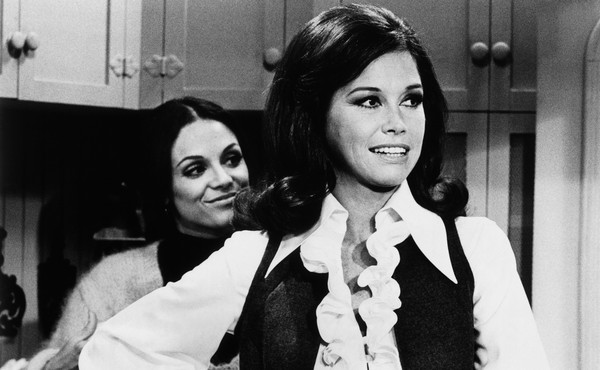
Bettmann / Getty The Mary Tyler Moore Show and How Sitcoms Moved to the City
The 1970s comedy series was one of the first to recognize a new economic and social reality, in which white-collar residents increasingly supplanted the urban working class.
-
![]()
Netflix Zombies and Marital Strife: The Santa Clarita Diet
The Netflix show stars Drew Barrymore and Timothy Olyphant as a couple thrown off course when one of them becomes undead.
-
![]()
CBS Superior Donuts Tries to Update an Old Classic
The new CBS multi-camera sitcom, based on a Tracy Letts play, is stodgy in format but has moments of freshness.
-
![]()
YouTube How Political Will the 2017 Super Bowl Ads Be?
For brands, it’s harder than ever to take a bipartisan approach to the biggest night of the year.
-
-
![]()
Michele Crowe / CBS The Daily Show Lives On (on The Late Show With Stephen Colbert)
On Tuesday’s episode of Colbert’s CBS program, Jon Stewart guest-starred—not just to make jokes, but to urge the audience to political action.
-
![]()
Myles Aronowitz / Dave King / Netflix / … Claiming the Future of Black TV
After a banner year for African Americans on television in 2016, can the industry normalize this success?
-
![]()
Bettmann / Getty Remembering Mary Tyler Moore
The television icon who helped redefine the sitcom, both in front of and behind the camera on her eponymous show, died at age 80.
-
![]()
Hulu Losing Faith in The Path, Hulu's Cult-Set Drama
The show boasts spectacular actors, but its second season has too many episodes and not enough story to tell.
-
![]()
Gianni Fiorito/HBO The Divine Comedy Within The Young Pope
The show is funny because it's about the power of humor—and the absurdities of faith.
-
-
![]()
NBC Saturday Night Live Faces Off Against the Trump Presidency
In its first episode of the new administration, the NBC sketch show skewered Vladimir Putin, Kellyanne Conway, and the “lowercase KKK.”
-
![]()
BBC Pictures The (Final) Problem With Sherlock
In its fourth season the BBC show turned its main character into a superhero, and lost everything that made it special in the process.
-
![]()
Myles Aronowitz / Netflix The OA and the Dark Side of Science
Brit Marling discusses the folklore and real-life research that went into her trippy Netflix series.