Fractured by internal conflict and foreign intervention for centuries, Afghanistan made several tentative steps toward modernization in the mid-20th century. In the 1950s and 1960s, some of the biggest strides were made toward a more liberal and westernized lifestyle, while trying to maintain a respect for more conservative factions. Though officially a neutral nation, Afghanistan was courted and influenced by the U.S. and Soviet Union during the Cold War, accepting Soviet machinery and weapons, and U.S. financial aid. This time was a brief, relatively peaceful era, when modern buildings were constructed in Kabul alongside older traditional mud structures, when burqas became optional for a time, and the country appeared to be on a path toward a more open, prosperous society. Progress was halted in the 1970s, as a series of bloody coups, invasions, and civil wars began, continuing to this day, reversing almost all of the steps toward modernization taken in the 50s and 60s. Note: This post originally mischaracterized life expectancy in Afghanistan in the 1950s. We regret the error.
Afghanistan in the 1950s and ’60s
-
![]() Read more
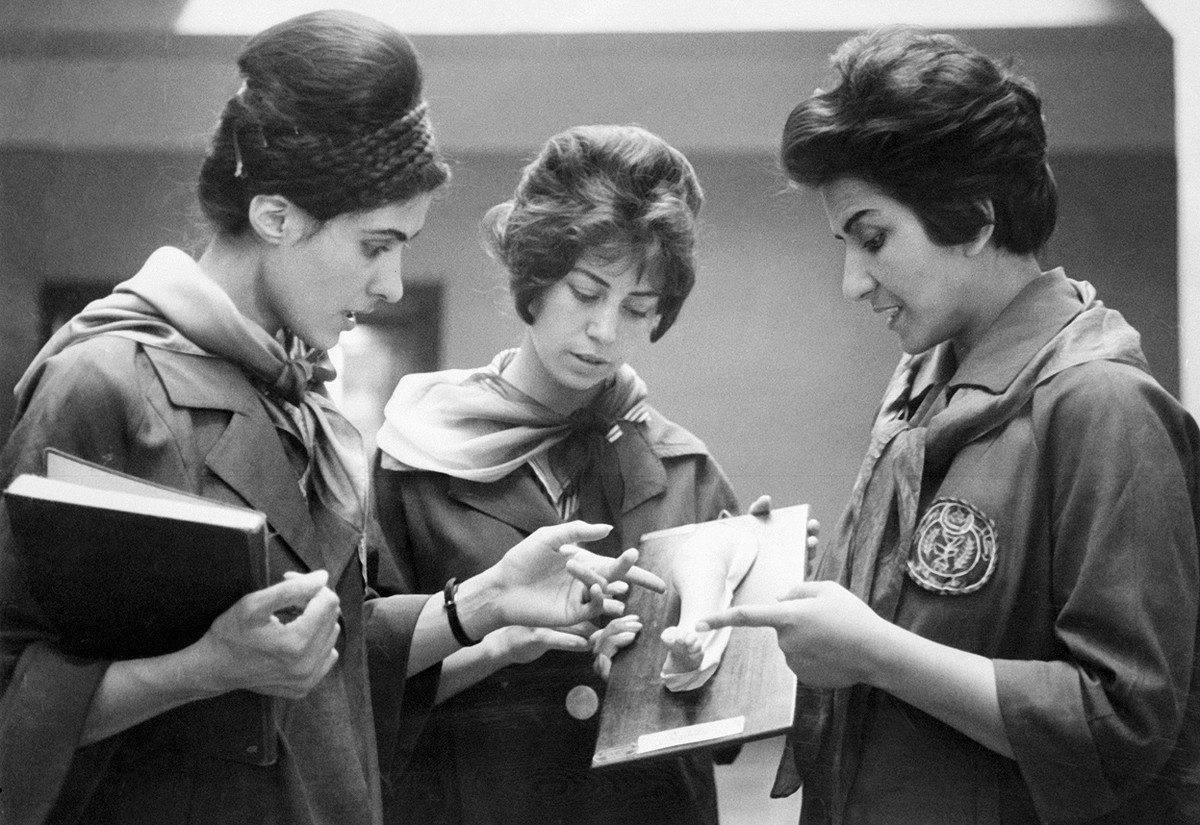
Read morePicture taken in 1962 at the Faculty of Medicine in Kabul of two Afghan medicine students listening to their professor (at right) as they examine a plaster cast showing a part of a human body. #
AFP/Getty Images -
-
![]() Read more
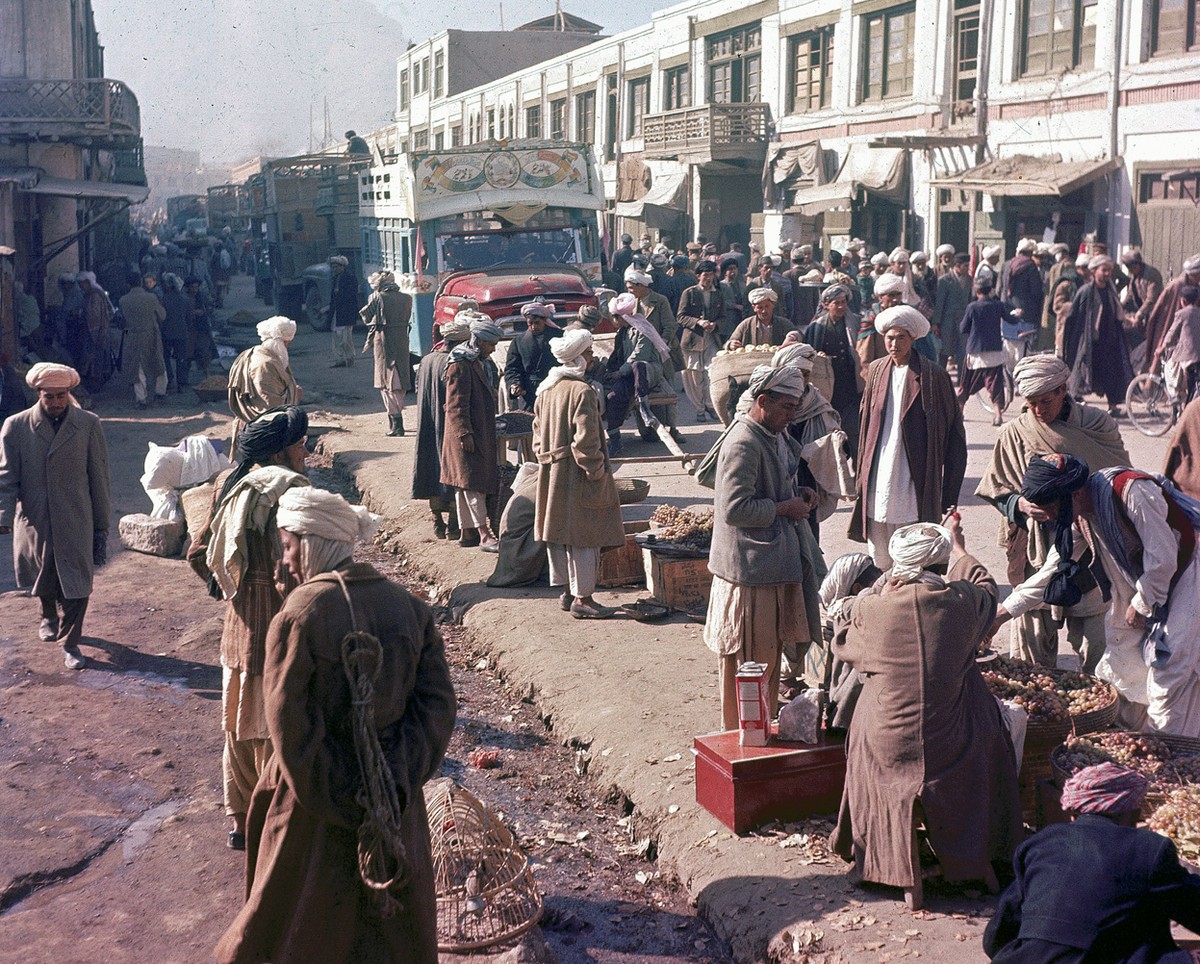
Read moreMen stroll past roadside vendors as a painted truck makes its way through the busy street in Kabul, Afghanistan, November, 1961. #
AP Photo/Henry S. Bradsher -
![]() Read more
Read moreThe modern new (completed 1966) government printing plant in Kabul, on June 9, 1966, which houses Kabul Times. Most of its machinery was furnished by West Germany. #
AP Photo -
![]() Read more
Read moreArchitecture in Kabul, Afghanistan, seen on May 28, 1968. #
AP Photo/James Martenhoff -
-
![]() Read more
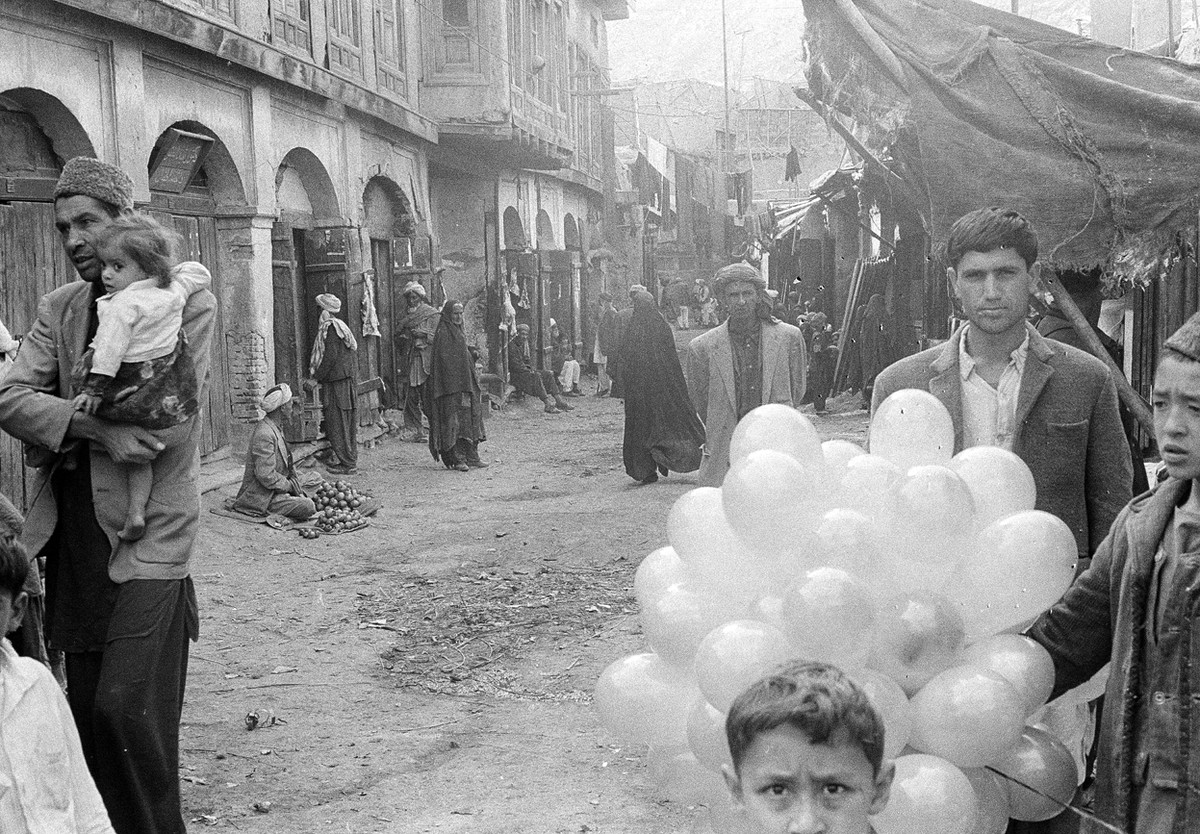
Read moreStreet scene in Kabul, Afghanistan in November, 1961. #
AP Photo/Henry Burroughs -
![]() Read more
Read moreAfghan boys, men, and women, some in bare feet, shop at a marketplace in Kabul, Afghanistan, in May of 1964. #
AP Photo -
![]() Read more
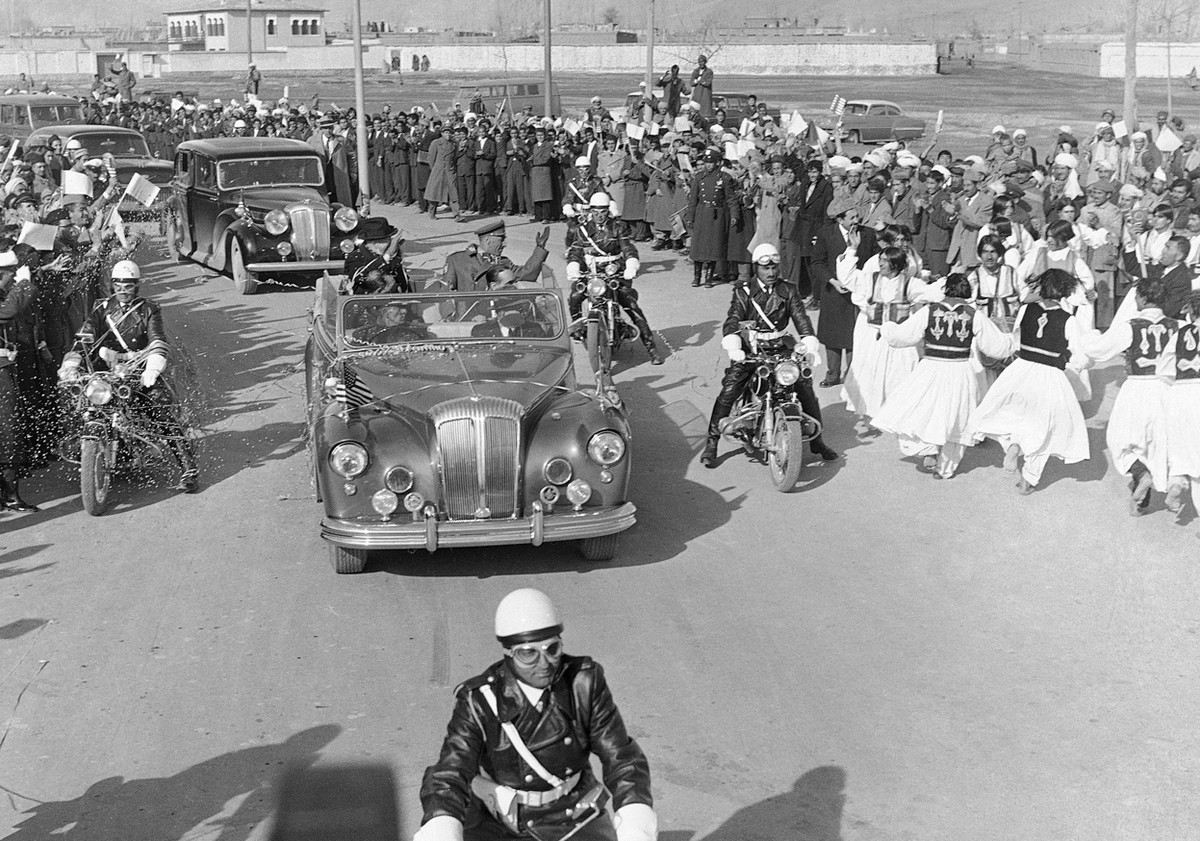
Read moreMotorcade for President Eisenhower's visit to Kabul, Afghanistan, on December 9, 1959. Eisenhower met briefly with the 45-year-old Afghan king, Mohammad Zahir Shah, to discuss Soviet influence in the region and increased U.S. aid to Afghanistan. #
Thomas J. O'Halloran, LOC -
-
![]() Read more
Read moreResidents of Afghanistan line the route of U.S. President Dwight Eisenhower's tour in Kabul, Afghanistan, on December 9, 1959. #
AP Photo -
![]() Read more
Read moreDancers perform in street of Kabul, Afghanistan, December 9, 1959 following President Eisenhower's arrival from Karachi. After a five hour stay in Kabul, Ike flew on to New Delhi. #
AP Photo -
![]() Read more
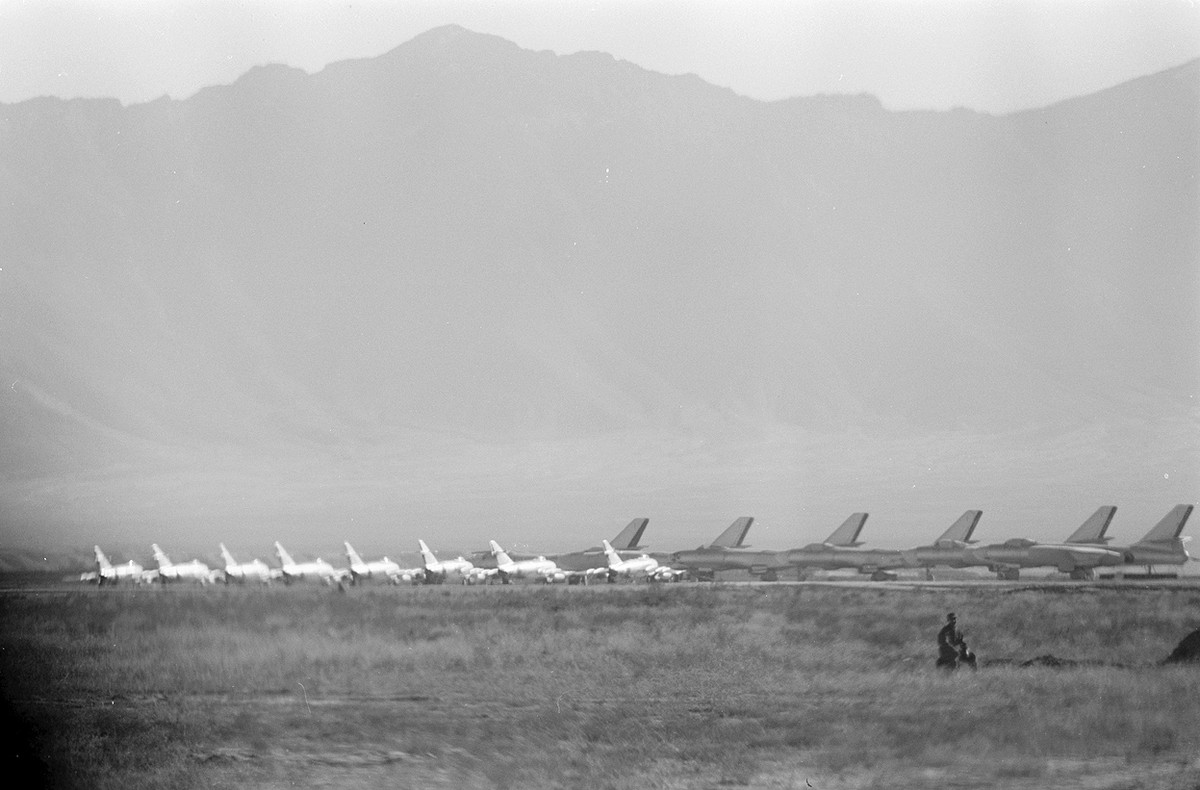
Read moreAfghan Air Force Mikoyan-Gurevich MiG-15 fighters and Ilyushin Il-28 bombers in Kabul, Afghanistan, during the visit of the U.S. president Dwight D. Eisenhower, in December of 1959. #
Thomas J. O'Halloran, LOC -
-
![]() Read more
Read moreA shopfront display of fruits and nuts in Kabul, in November of 1961. #
AP Photo/Henry S. Bradsher -
![]() Read more
Read moreChildren in a Kabul street, November, 1961. #
AP Photo/Henry Burroughs -
![]() Read more
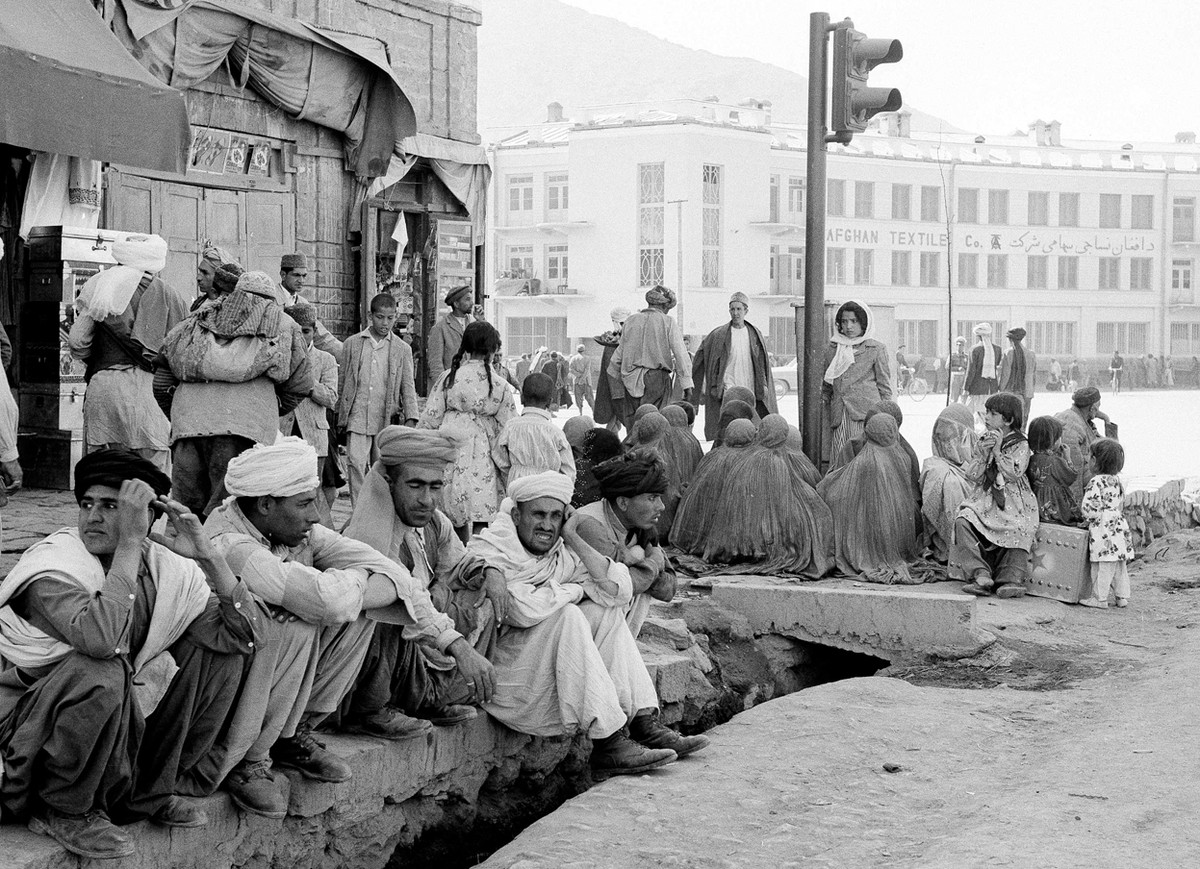
Read moreA modern traffic light stands incongruously amid burqa-clad women sitting on a Kabul street corner with their backs to their men on May 25, 1964. #
AP Photo/Henry Burroughs -
-
![]() Read more
Read moreAfghan women, men, and child in traditional dress ride in a cart through an arid, rocky landscape, November, 1959. #
Robert P. Martin, LOC -
![]() Read more
Read moreAn Afghan worker checks a Russian-made truck in the Kabul Janagalak factory in an unspecified date. The factory situated in the center of the city as the only firm for making vehicle's chassis was plundered, like other public properties in the Afghan capital, during the Afghan mujahedin rule from 1992 to 1996. #
AFP/Getty Images -
![]() Read more
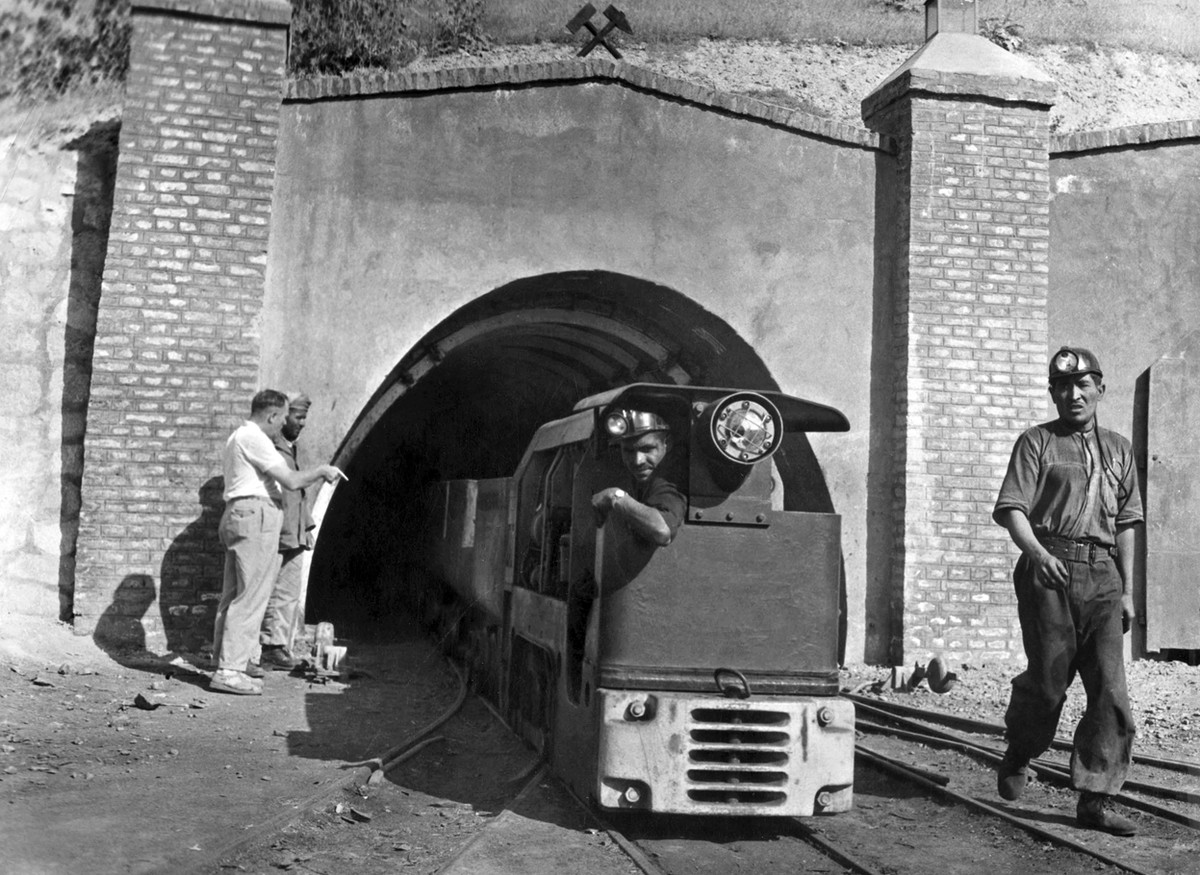
Read moreThe entrance to the Karkar coal mine around 12 kilometers northeast of Pulikhumri, the provincial town of the Northern province of Baghlan. The Karkar coal deposit at one time met the needs of Kabul city. #
AFP/Getty Images -
-
![]() Read more
Read moreA caravan of mules and camels cross the high, winding trails of the Lataband Pass in Afghanistan on the way to Kabul, on October 8, 1949. #
AP Photo/Max Desfor -
![]() Read more
Read moreIn Washington, District of Columbia, Afghan King Mohammad Zahir Shah talks with US President John F. Kennedy in the car that took them to the White House on September 8, 1963. #
AFP/AFP/Getty Images -
![]() Read more
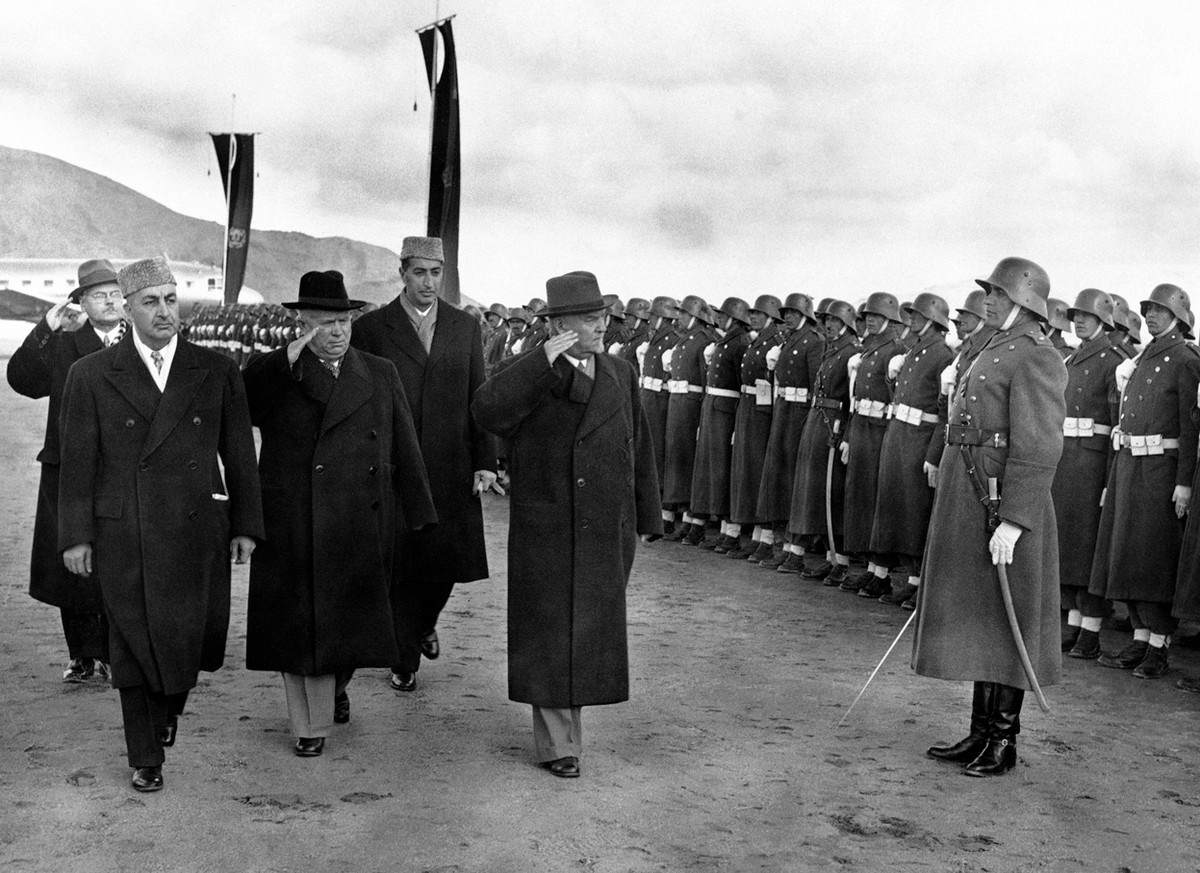
Read moreSoviet leader Nikita Khrushchev (black hat), and Marshal Nikolai Bulganin review an Afghan honor guard wearing old German uniforms, on their arrival in Kabul, Afghanistan, on December 15, 1955. At left is the Afghan Prime Minister Sardar Mohammed Daud Khan, and behind, in cap, the foreign minister, Prince Naim. #
AP Photo -
-
![]() Read more
Read moreStreet scene in Kabul, in November of 1966. #
AP Photo -
![]() Read more
Read moreActivity in a city park in Kabul, on May 28, 1968. #
AP Photo/James Martenhoff -
![]() Read more
Read moreThis photo shows the now-destroyed Kabul-Herat highway, that linked the Afghan capital to the Iranian border city of Mashad. Built in the early second half of the 20th century, the highway has been virtually destroyed through decades of warfare. #
AFP/Getty Images -
-
![]() Read more
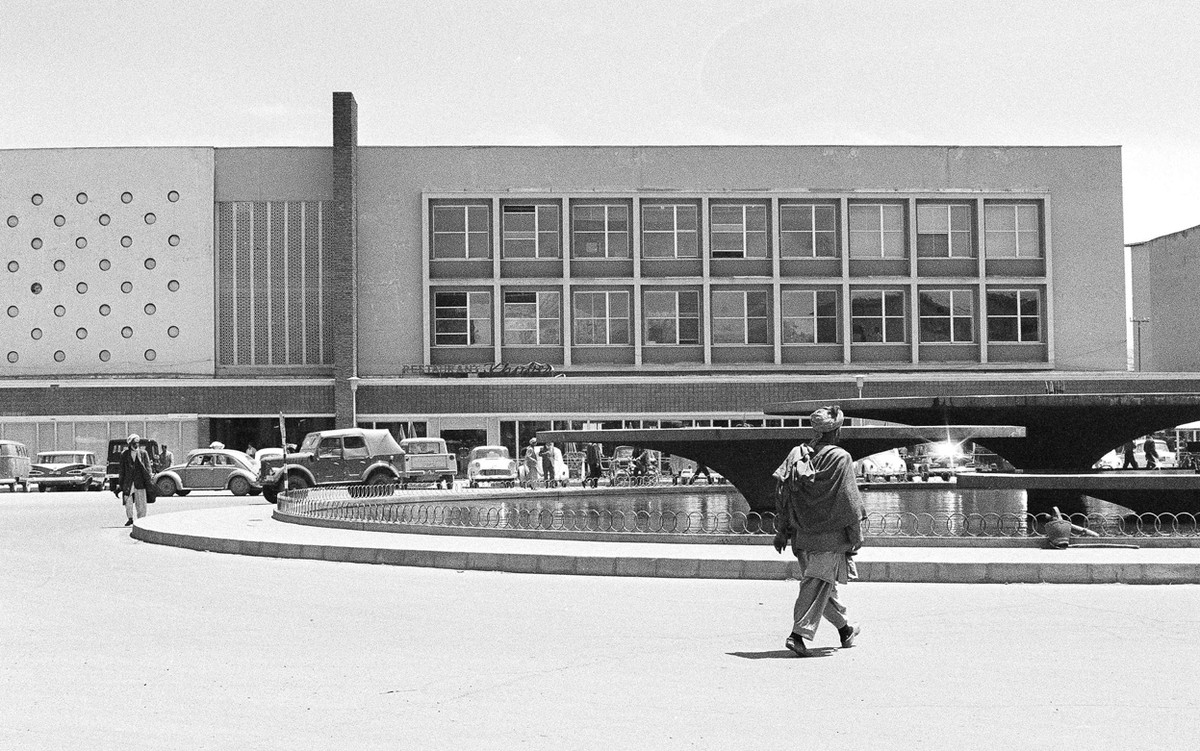
Read moreModern new Finance Ministry building in Kabul, on June 9, 1966, with a public, western-style cafeteria and sidewalk restaurant, facing a water fountain which is illuminated in color at night. #
AP Photo -
![]() Read more
Read moreKabul, Afghanistan, November 1961. #
AP Photo/Henry Burroughs -
![]() Read more
Read moreScene inside the modern new government printing plant in Kabul on June 9, 1966, which houses Kabul Times. #
AP Photo -
-
![]() Read more
Read moreTajbeg (Queen's) Palace, the Palace of Amanullah Khan in Kabul, photographed on October 8, 1949. Amanullah Khan, King of Afghanistan in the early 20th century, attempted to modernize his country and make many reforms to eliminate many age-old customs and habits. His ambitious plans and ideas were based on what he had seen during a visit to Europe. Click here to see a present-day view of the palace, now an abandoned wreck. #
AP Photo/Max Desfor -
![]() Read more
Read moreA quiet scene in a street through the bazaar of Kabul, on December 31, 1969. #
AP Photo -
![]() Read more
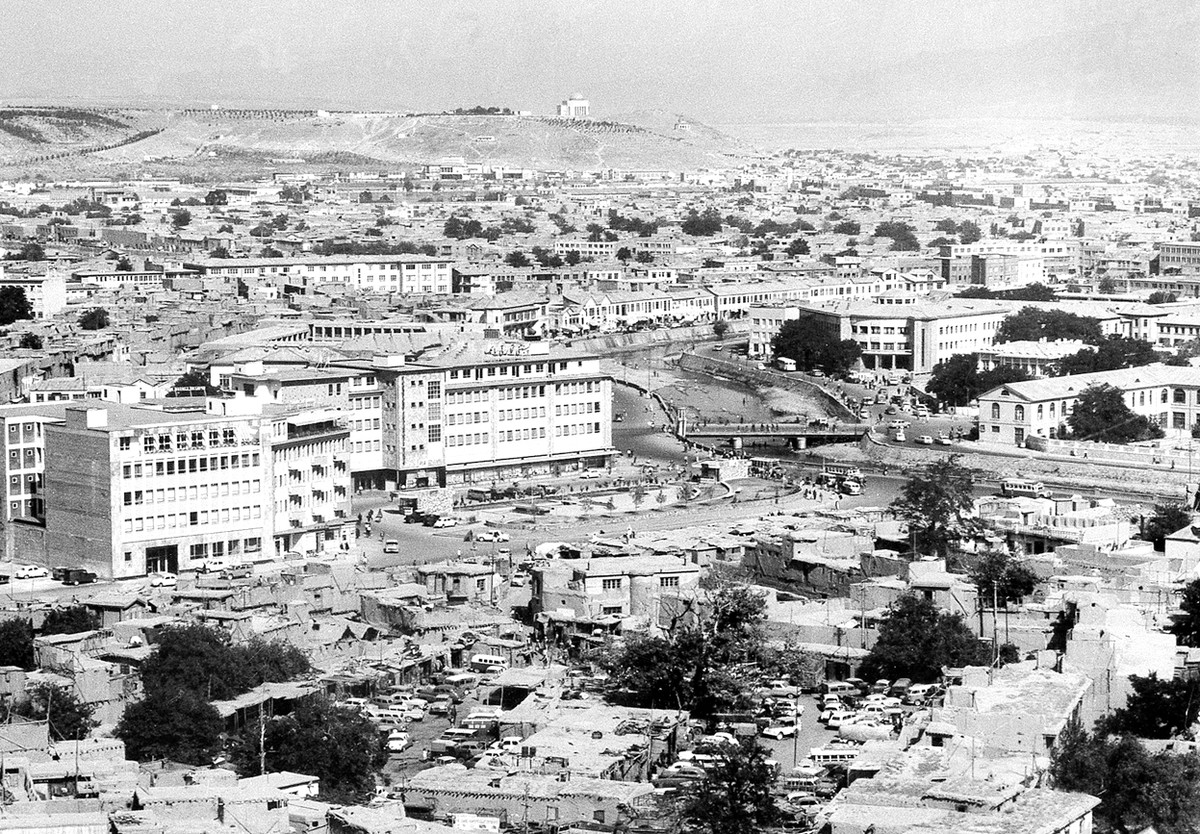
Read moreA panoramic view showing the old and new buildings in Kabul, in August of 1969. The Kabul River flows through the city, center right. In the background on the hilltop is the mausoleum of late King Mohammad Nadir Shah. #
AP Photo -
-
![]() Read more
Read moreAfghan man leading laden camels and donkeys through an arid, rocky landscape, in November, 1959. #
Robert P. Martin, LOC -
![]() Read more
Read moreThe King of Afghanistan, Mohammad Zahir Shah rides in his limousine on Kabul's central road Idga Wat in this 1968 photo. Zahir Shah, the last of King of Afghanistan lived in exile in Rome since a 1973 coup, returning to Afghanistan in 2002, after the removal of the Taliban. He passed away in Kabul in 2007, at the age of 92. #
AP Photo/Handout, The Family of the King of Afghansitan -
![]() Read more
Read moreAfghan boys play with kites as men walk past, in November of 1959. #
Robert P. Martin, LOC -
-
![]() Read more
Read moreVendors sell various fuits and nuts at an outdoor market in Kabul, in November of 1961. #
AP Photo/Henry S. Bradsher -
![]() Read more
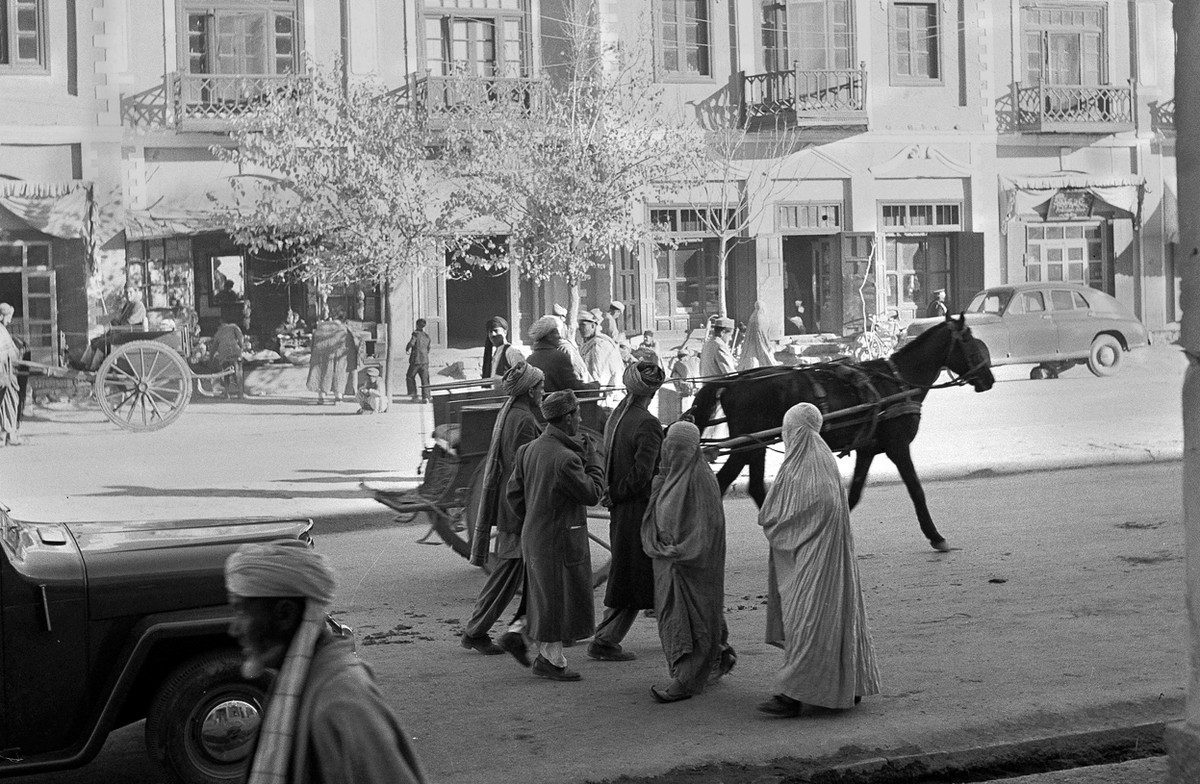
Read moreWomen, wearing traditional burqas and Persian slippers, walk alongside men, cars and horse carts, in a street in Kabul, in 1951. At the time, this street was one of only three paved streets in the capital city. #
AP Photo -
![]() Read more
Read moreA view of one of the new mosques erected in the suburb of Kabul, in November of 1961. #
AP Photo/Henry S. Bradsher -
-
![]() Read more
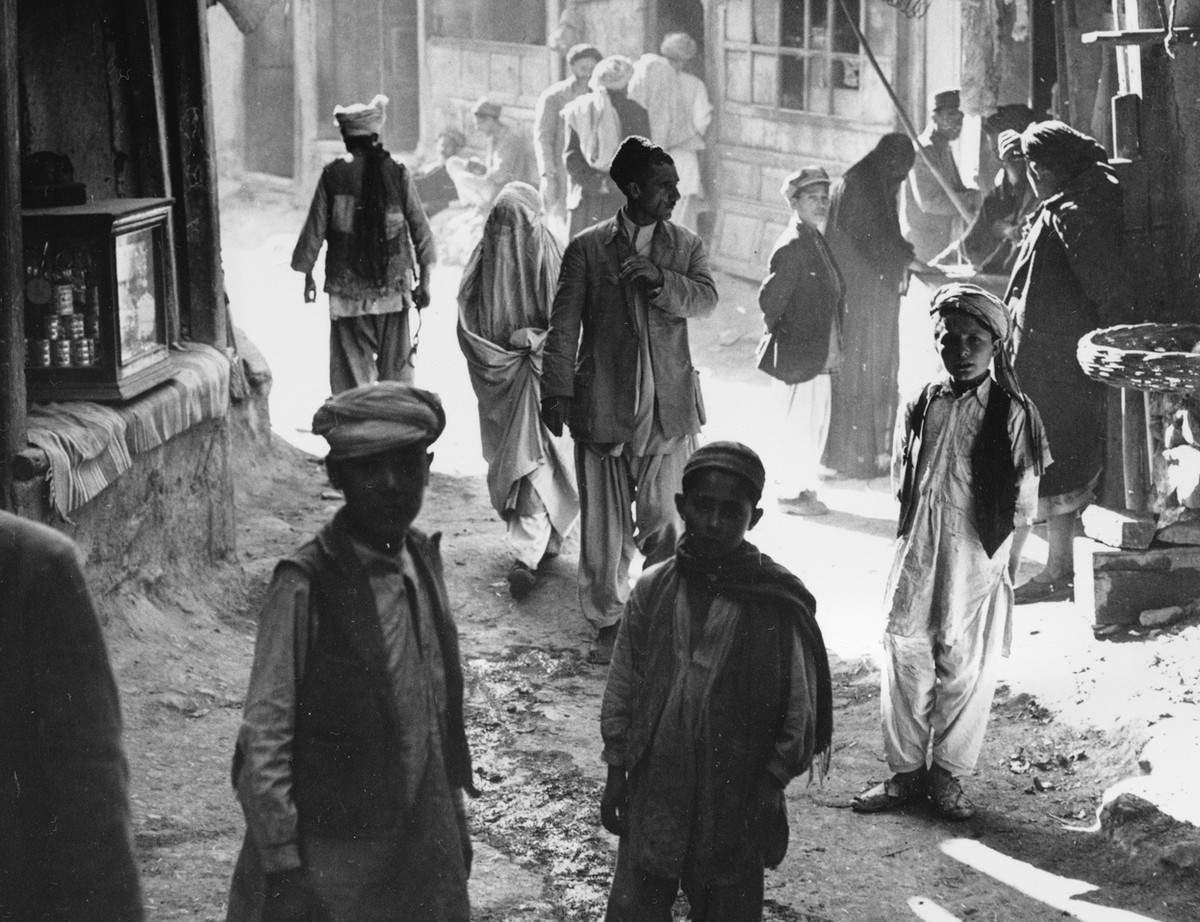
Read moreAfghan boys, men, and a woman walk through a street in Kabul, Afghanistan, on March 26, 1954. #
AP Photo















We want to hear what you think about this article. Submit a letter to the editor or write to [email protected].