You're one of the first people who's never lived in a world without texting.
In August 2011, Jamie Holmes wrote about how SMS is the driving force behind technology-enabled changes in commerce, crime, political participation, and governing in the developing world.
You were born in May of 1993. This year, The Atlantic celebrates its 160th birthday, making it 5 times as old as you.
The year you were born, Erik Larson wrote about America's weak gun laws.
Around the time you were born, the International Criminal Tribunal for the former Yugoslavia was established.
In December 2012, Rikard Jozwiak published an interview with one of the tribunal's top attorneys.
Jason Redmond / AP
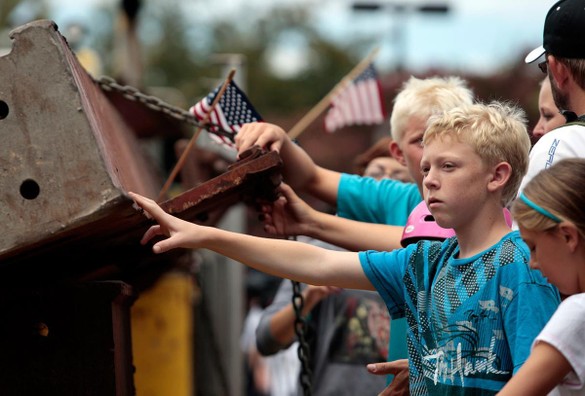
At 8 years old, you were part of the generation most shaped by 9/11.
The conflicts and displacements touched off around the world by the attacks have been reverberating for the majority of your life. “This ‘war’ [on terrorism] will never be over,” wrote James Fallows, a few years after the towers fell.
Your life can be divided into two halves: before and after Facebook.
In May 2012, Stephen Marche wrote about how Facebook and other social-media platforms were making people lonely, even as they connected them to others more than ever before.

Fred Hayes / Disney Channel
This is what Hollywood thought teenagers looked like the year you became one.
High School Musical was released in 2006.

Goran Tomasevic / Reuters
When you turned 17, you witnessed the revolutionary fervor that transformed the Arab world in 2010, a movement led by your generation.
When 26-year-old Mohamed Bouazizi set himself on fire, he ignited a tinderbox of protests that continue to roil the Middle East, and kindled the beginnings of democracy in Tunisia.
Around your 18th birthday, al-Qaeda leader Osama bin Laden was killed by U.S. military forces in Pakistan.
In May 2011, Nicholas Jackson provided an infographic breakdown of the assault on bin Laden's Abbottabad compound.
Mark Makela / Reuters
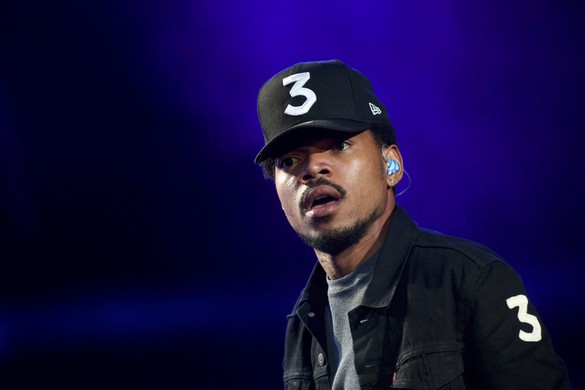
In 2013, Chance the Rapper, who was born the same year as you, released his critically acclaimed mixtape Acid Rap.
In May 2016, Spencer Kornhaber wrote about the profound use of faith and nostalgia in Chance’s Grammy-winning album Coloring Book.
By the time you turn 27, scientists estimate it will no longer be possible to keep global temperatures from rising at least 1.5 degrees Celsius.
In December 2015, Robinson Meyer wrote about why scientists had accepted this fact.
History is happening all around you, every day.
The Atlantic is here to help you process it, in stories like these:
Tell your story.