-
![]()
Reuters Saudi Arabia Opens a Business Center to Employ Its Women
Even though nearly 57 percent of the country's college graduates are women, only about a fifth of them enter the workforce. A new project might change that.
-
![]()
'We Felt Like We Were Above the Law': How the NCAA Endangers Women
A new report on Oklahoma State's use of "hostesses" to lure in recruits reveals yet another instance of the NCAA normalizing sexism. But there are ways it can change.
-
-
![]()
Sonia Faruqi Agriculture Needs More Women
A psychological case for safer food and more humane farming
-
![]()
As a Female NFL Fan, I Want a Better Stadium Experience—Not a Pink Jersey
Not every woman wants team-logo panties or a "fanicure." The NFL could woo even more female consumers by also making games safer and more inviting for women and families.
-
![]()
Reuters Gender as Non-Fiction
A Q&A with Julia Serano, author of Excluded: Making Feminist and Queer Movements More Inclusive
-
![]()
trawin/flickr Study: Parents Care How Much a Daughter's Boyfriend Makes
If parents are the type to give more resources to daughters whose partners aren't big providers, they're more likely to prefer mates who can provide.
-
![]()
A Film's Simple Question: 'What Makes a Woman Want to Have an Abortion?'
New documentary After Tiller follows the four remaining late-term abortion providers in the U.S., but it spends more time with the women who come to see them.
-
-
![]()
Jonathan Alcorn / Reuters The Social and Legal Arguments for Allowing Women to Go Topless in Public
Advocates of female toplessness say current laws enforce damaging views of women's bodies.
-
![]()
Toru Hanai/Reuters First Step to Fixing Gender Bias in Business School: Admit the Problem
Lessons from Harvard Business School's recent attempts at transformation
-
Mindy on The Mindy Project Needs to Stay Unlikable—for the Good of TV
The Fox series' creator and star says her character will be more likable this season, and that's a loss for viewers who want to see more three-dimensional women on sitcoms.
-
![]()
Wikimedia Commons The Peculiar History of Foot Binding in China
How ten centuries of Chinese women submitted to the painful practice—and how it finally went out of fashion.
-
![]()
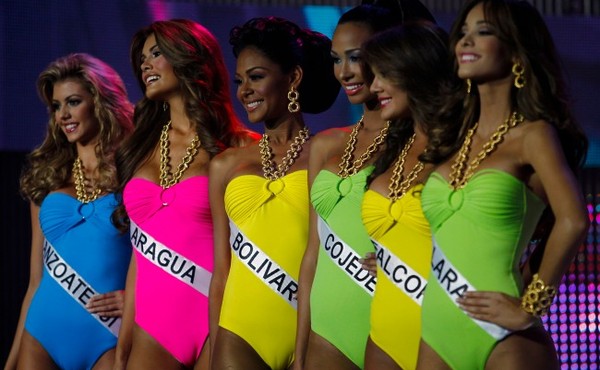
Venezuelan Women Are Dying From Buttock Injections
The quest for beauty leads to a dangerous, DIY surgical procedure.
-
-
![]()
E. Pindado/Reuters How Male Power Spreads HIV
The roles of gender and stigma in the epidemic in the Mexican state of Chiapas
-
![]()
Tim Wimborne/Reuters An App to Help Women Avoid Street Harassment
The challenges of collecting data on where people do and don't feel safe.
-
![]()
pawpaw67/flickr How to Make School Better for Boys
Start by acknowledging that boys are languishing while girls are succeeding.
-
![]()
Lucas Jackson/Reuters Are Pundits Asking the Wrong Question About Christine Quinn's Loss?
The most interesting question isn't whether she was hurt by being an out lesbian and a woman, but why it is that lesbians can do well in big-city politics.
-
![]()
The Brogrammer Effect: Women Are a Small (and Shrinking) Share of Computer Workers
In 1990, more than 30 percent of computer workers were women. Now it's just 27 percent.
-
-
![]()
ulrichkarljoho/flickr How Caring for Aging Parents Affects a Career
Having kids isn't the only family consideration that affects work/life balance.
-
![]()
Reuters How Anthony Weiner Exposed the Insecurities of the 1960s Generation
A half-century after the sexual revolution, the make-your-own-rules folks are no longer quite so sold on free love.
-
![]()
Reuters Why Widows and Widowers Don't Vote
The problem of the "lonely non-voter": A new study finds those who have just lost a spouse are less likely to cast a ballot -- though the reasons are unclear.