How Siblings Shape Who We Are
For many of us, these relationships are the longest of our life.
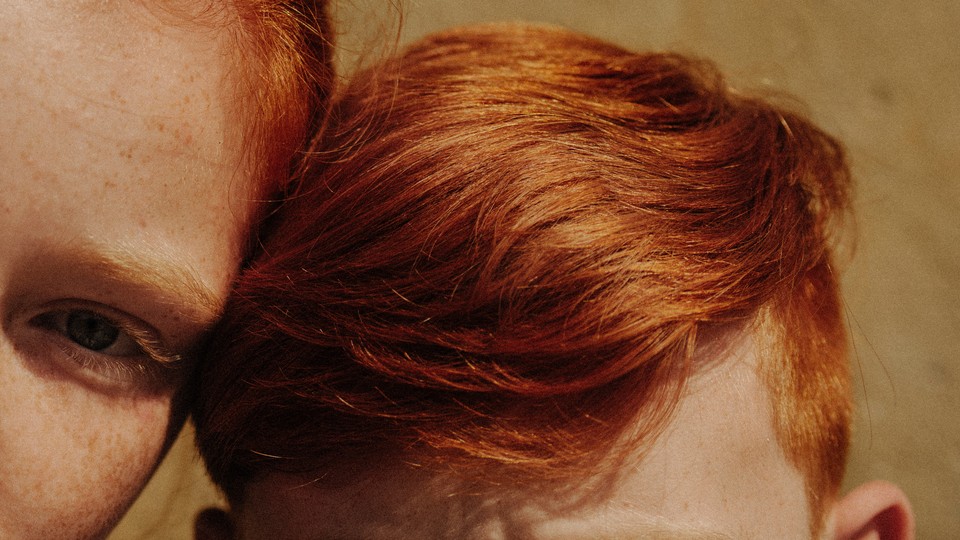
This is an edition of The Wonder Reader, a newsletter in which our editors recommend a set of stories to spark your curiosity and fill you with delight. Sign up here to get it every Saturday morning.
For those of us who have siblings, these relationships will likely be the longest of our life. That fact is a basic statistical one, but it’s also an emotional one. These are human beings who will see us at many more stages of growth than most others will: the awkward braces years, the sullen teenage years, and whatever happens after that.
Because of this, sibling relationships can be intense. As Ben Healy noted in 2018, “When a sibling relationship is bad … it can be really bad—as in messing-up-your-life bad. Tense sibling relationships make people more likely to use substances and to be depressed and anxious in adolescence.”
And when siblings become adults and are no longer forced together by circumstance, things get complicated in a whole new way. “The independence of adulthood … creates opportunities for siblings to build, repair, or discard the relationships of their youth, to stay stuck in or break free of the roles they played as children,” Angela Chen wrote earlier this year. Today’s newsletter is dedicated to the complexities—and beauty—of these relationships.
On Siblings
The Longest Relationships of Our Lives
By Angela Chen
As brothers and sisters grow up, what they do can determine whether they stay stuck in their childhood roles—or break free of them.
Are Siblings More Important Than Parents?
By Ben Healy
How brothers and sisters shape who we are
Six Books That Show No One Can Hurt You Like a Sibling
By Ruth Madievsky
The unique feeling of sharing parents, or of growing up together, makes this relationship unlike any other.
Still Curious?
- Why are people weird about only children? “Onlies” don’t seem to be any worse off than kids with siblings. So why do stereotypes about them persist?
- It used to be okay for parents to play favorites: The idea that you’re supposed to treat your children equally is recent, and it’s still not the norm in much of the world.
Other Diversions
P.S.
In his 2018 article, Ben Healy noted this bit of research that has stayed with me since I read it: “A study of more than 1 million Swedes found that one’s risk of dying of a heart attack spikes after a sibling dies of one, due not only to shared DNA but also to the stress of losing such a key figure.”
— Isabel