This is an edition of The Wonder Reader, a newsletter in which our editors recommend a set of stories to spark your curiosity and fill you with delight. Sign up here to get it every Saturday morning.
Ever feel like the person you’re talking to is just waiting for you to finish so they can start speaking? It turns out every human does that. And it’s a good thing—not necessarily a sign of a bad listener, but a complex communication skill that bonds humans across the world.
When we take turns talking, the typical gap between speakers is just 200 milliseconds (a figure that exists across cultures, and even in sign-language conversations). That gap is too short to do much of anything, which means humans are crafting their responses in real time, simultaneously listening to their conversation partner and building their next set of words.
“Dolphins can swim amazingly fast, and eagles can fly as high as a jet, but this is our trick,” a linguist told the Atlantic writer Ed Yong in 2016. In today’s edition, I’ve collected some of our most fascinating journalism on the magic of human speech. After reading these stories, it’s hard not to feel a little thrill during every conversation, big or small.
On Ways of Talking
/media/img/posts/2022/11/umpiece_image/original.gif)
By Julie Beck
How filler words and tiny pauses keep conversations from going off the rails
Why We Speak More Weirdly at Home
By Kathryn Hymes
In-jokes, mishearings, and everyday mundanities form our odd home slang, known as a familect.
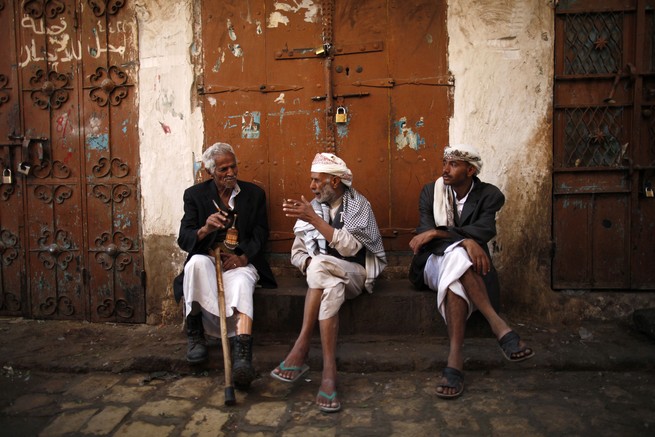
The Incredible Thing We Do During Conversations
By Ed Yong
When we take turns speaking, we chime in after a culturally universal short gap.
Still Curious?
- The desirability of storytellers: Among Filipino hunter-gatherers, storytelling is valued more than any other skill, and the best storytellers have the most children, Ed reported in 2017.
- The trees are talking too: The nuances of trees’ exchanges and connections have inspired a rich new realm of research, Rebecca Giggs wrote last year.
Other Diversions
P.S.
I’ll leave you with one last story about humans’ incredible communication abilities: On a small Australian island, 500 people speak nine different languages—and they can all understand one another.
— Isabel