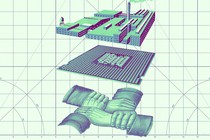
A Pillar of the Economics Establishment Admits That It Was Wrong
In a new report, the World Bank thinks better of its old free-market absolutism.
In a new report, the World Bank thinks better of its old free-market absolutism.
/media/img/2026/03/LightningHP-1/original.gif)
The odds of being struck by lightning in America in a given year are one in 1.2 million. How does the experience reorient a person’s sense of chance, of fate?
/media/img/mt/2025/04/2025_03_GrandparentsHill/original.gif)
Older Americans might be doing more child care than ever.

After Pam Bondi’s ouster, other top administration officials could be in jeopardy.

Fewer young people are getting into relationships.

The car industry says it has an answer for drivers wary of going electric.

A century ago, a German sociologist explained precisely how the president thinks about the world.

The defense secretary seems less interested in being on the side of God than on insisting that God is on his side.

Among the many reasons for Viktor Orbán’s defeat was the rural clubs where citizens relearned democratic habits.
Humankind has devised a new form of debasement.

Everyone’s DNA keeps mutating. Could correcting those errors lead to longevity?
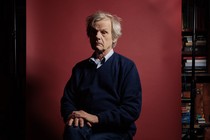
A Dutch psychiatrist gave lethal injections to patients with mental suffering, some of them teenagers. Does that make him a hero—or something else?