I Saw You Standing There
Reflections on my 1964 trip to New York City—and what Beatlemania felt like to me and my bandmates
Success in America was what we’d always wanted. When we were growing up, it was where all the film stars came from—people like Marilyn Monroe, Marlon Brando, and James Dean. And everything we listened to was from America. You didn’t really listen to many British bands, but if you did, they were getting their influences from America too. Without the music of Elvis, Buddy Holly, Little Richard, The Everly Brothers, and so many more, there wouldn’t have been The Beatles.
Explore the July/August 2023 Issue
Check out more from this issue and find your next story to read.
I still get asked about the pressure of that first trip to the U.S. So many people back home were rooting for us—it was a huge deal for a British band to be No. 1 over there. It sounds like a lot to put on the shoulders of four lads in their early 20s but, in reality, we were just wisecracking guys, and we had fun with one another whatever we did and wherever we went. I think this comes across in my photos.
But nothing could have prepared me for the wild Friday afternoon that launched the hysteria and madness—“Beatlemania,” as they already called it back home—that characterized 1964 for us. Looking at these pictures today, I’m still taken aback by it all. Landing at JFK Airport to this huge reception of fans and press was only the start; the rest of the trip became even more chaotic.
At the airport press conference, we found that the American reporters were obsessed with our hair; they asked if we were going to get haircuts. George replied that he’d had one the day before. That still makes me smile. It was just perfect, because once they saw that we weren’t going to be scared of them, they loved throwing their questions at us, and we would bat them right back. It became a fun little game. I remember one journalist who always asked the same question: “What are you going to do when the bubble bursts?” It got to be a running joke, and we’d ask him to ask us: “What are you going to do when the bubble bursts?” Our answer? “Well, we would go pop!”
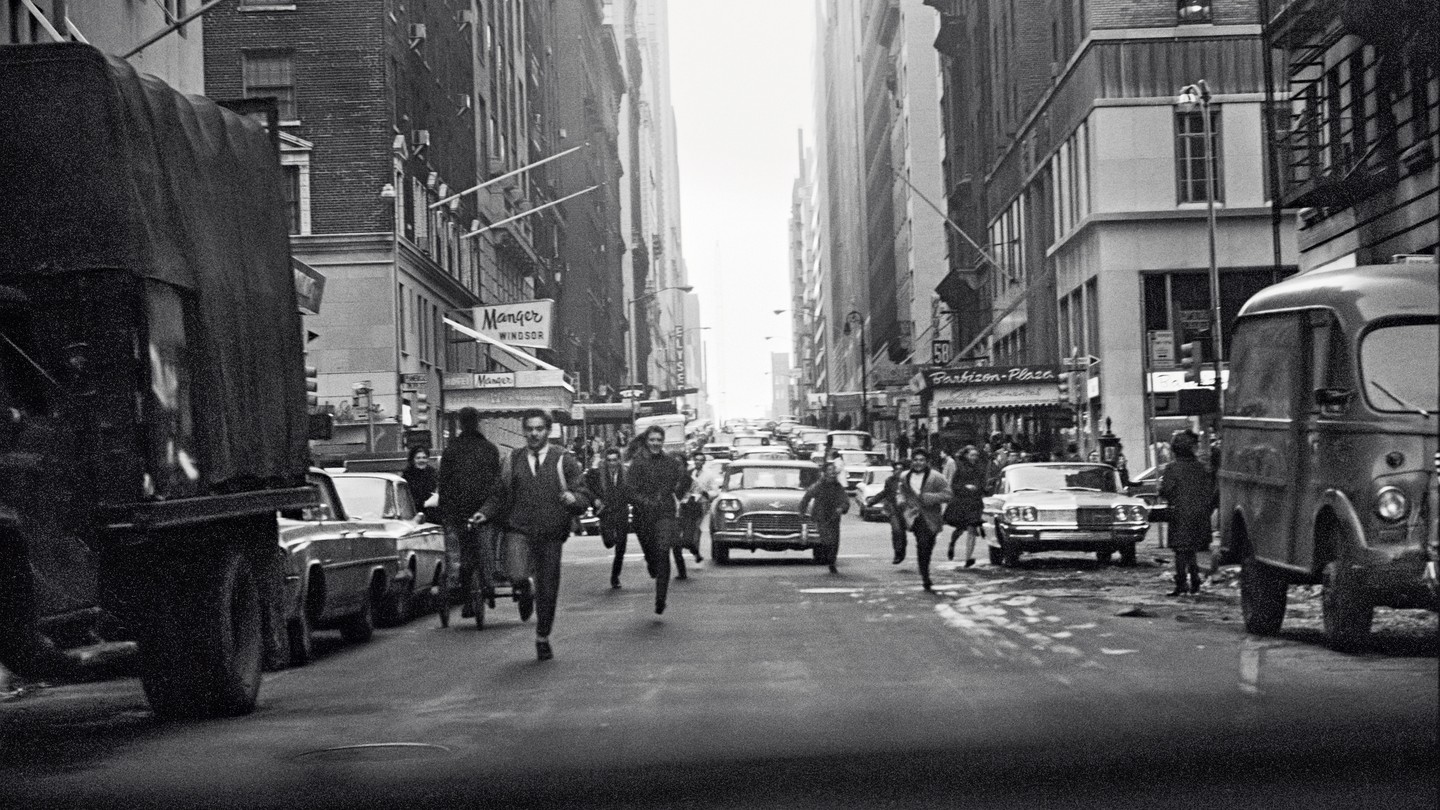
You can see in the photos the fans chasing us and waving to us along the New York streets. We had these portable radios, so in the car we discovered WABC, one of the city’s most influential Top 40 stations. They were broadcasting things like “The Beatles are now in town!” Murray the K, a famous DJ on the WINS station at the time, latched on to us. We liked him. He was a ballsy New Yorker who we thought was funny. We were staying at the Plaza Hotel; the staff was pretty horrified by all the hullabaloo, with photographers from magazines and newspapers we’d never heard of lined up in the crowded corridors, trying to get something exclusive. A number of adventurous fans were also doing everything they could to try to sneak into our rooms.
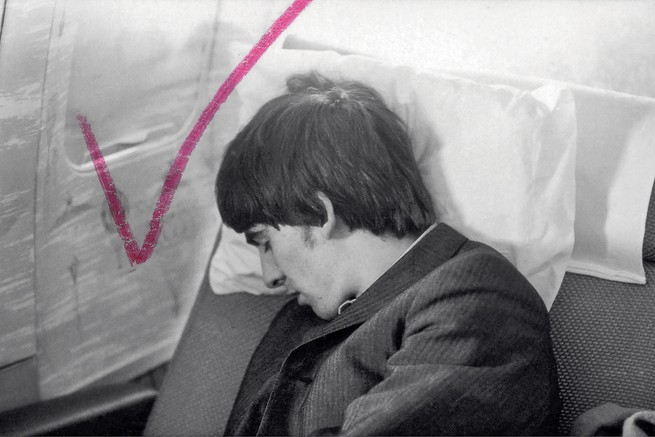
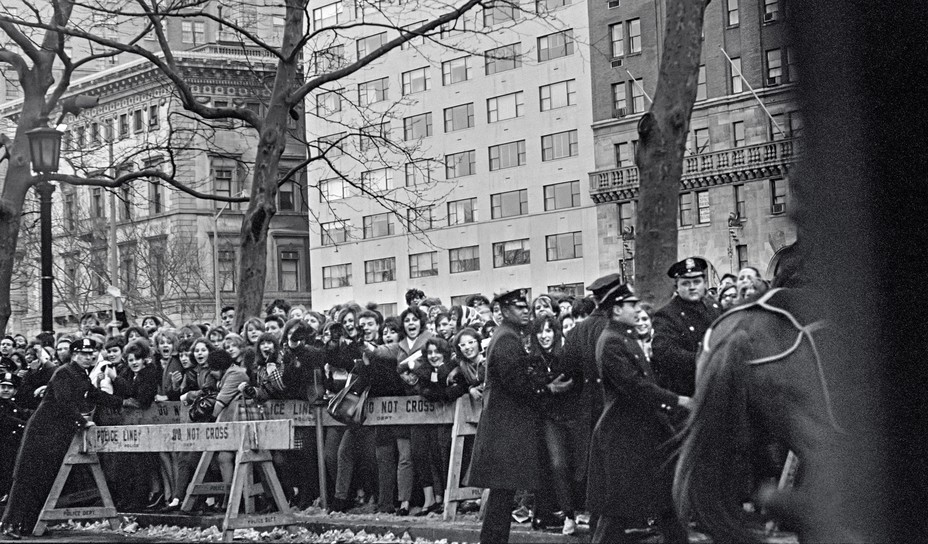
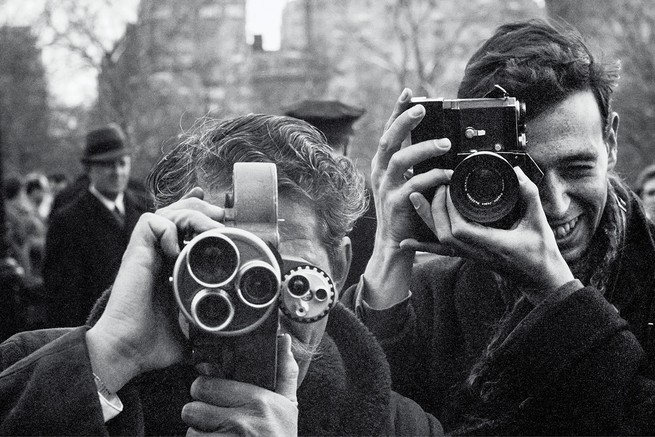
The photographs from New York show the commotion that followed our arrival in the city. There is the frenzied crowd chasing us down West 58th Street, between the Plaza and Avenue of the Americas, that I caught out of the car’s rear window. We did a photo shoot in Central Park, and I had my camera with me, so I captured people taking pictures of me up close, and you can see how we were constantly surrounded by cameras. These photos contrast with those from our hotel suite, which show unguarded, quiet moments.
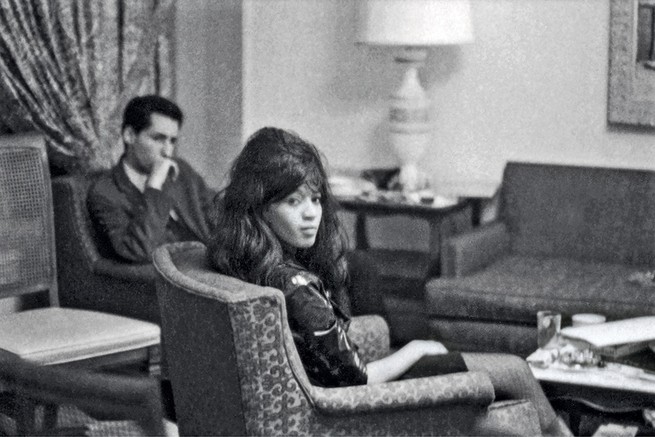
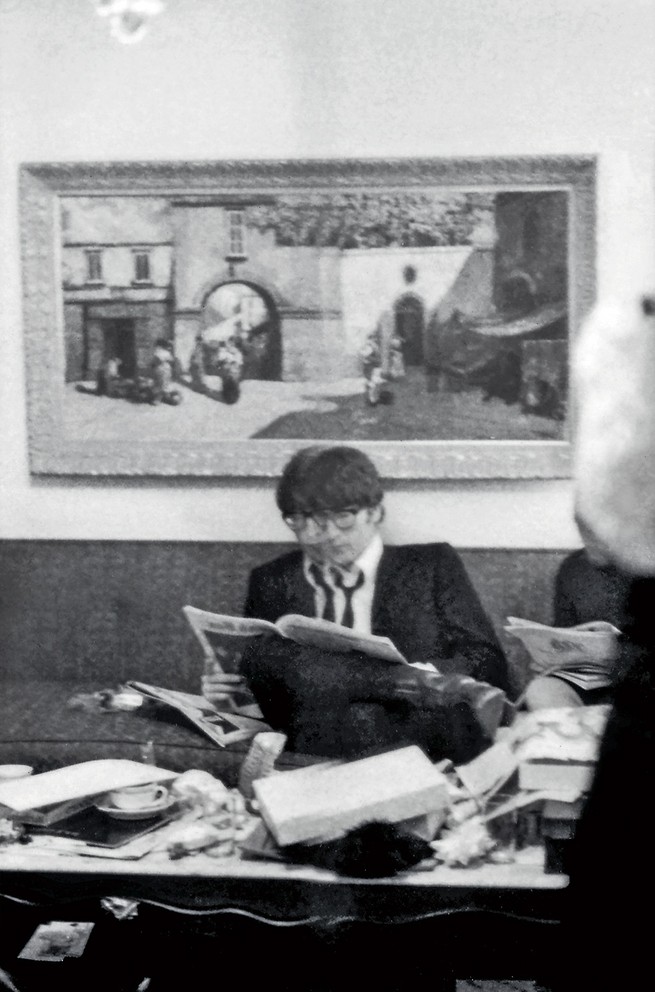
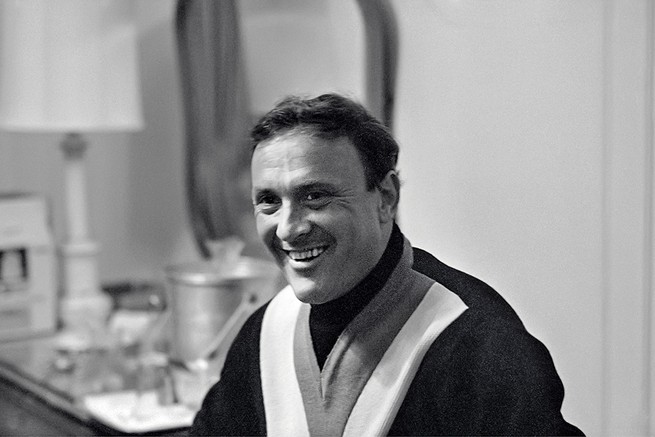
When I’m looking at the photos, memories come floating back, and I find, with memories, it’s often the more trivial things that seem to stick. In the U.K., we had been used to wearing a pancake makeup called Leichner—but for The Ed Sullivan Show, the makeup artists were suddenly packing on this orange stuff, layer after layer. And we were going, “Are you sure about this?” They said, “Yeah, we know. We know the show.” The show was broadcast in black and white, so they knew the makeup had to be thick. And they were right! We came out the color of orange juice, but on the show you can’t really tell we are wearing makeup.
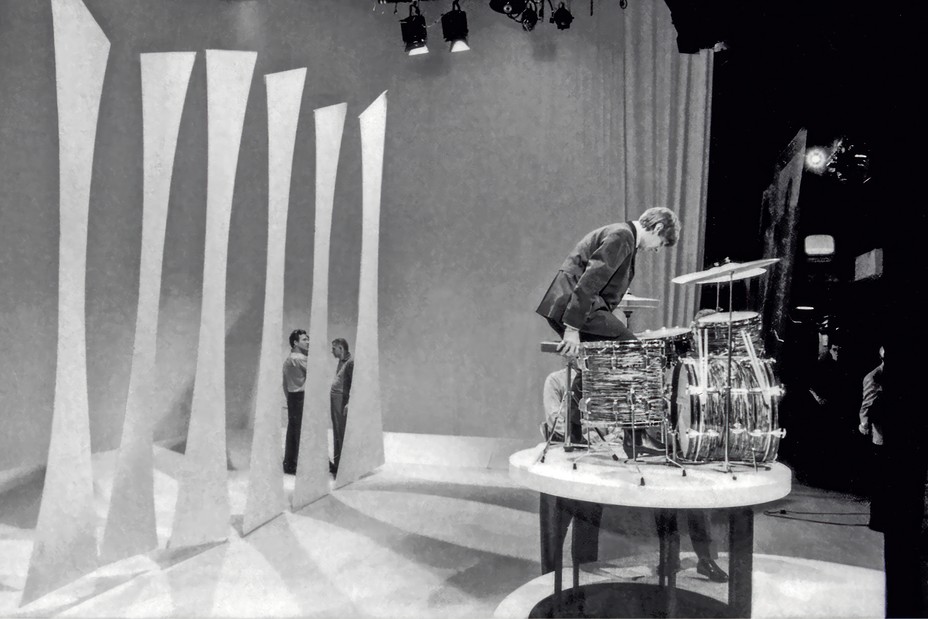
When I watch that first Ed Sullivan Show performance now, I’m struck by how much fun we’re having. Following commercials for Aero Shave and Griffin Liquid Wax shoe polish, we played three songs: “All My Loving,” “Till There Was You,” and “She Loves You.” Then, later in the show, we performed “I Saw Her Standing There,” and finally “I Want to Hold Your Hand.” That night, The Ed Sullivan Show had a far greater audience than usual: 73 million people, way more than the entire U.K. population. It was a wildly exciting time.
This article was adapted from Paul McCartney’s book 1964: Eyes of the Storm. It appears in the July/August 2023 print edition with the headline “I Saw You Standing There.”
When you buy a book using a link on this page, we receive a commission. Thank you for supporting The Atlantic.