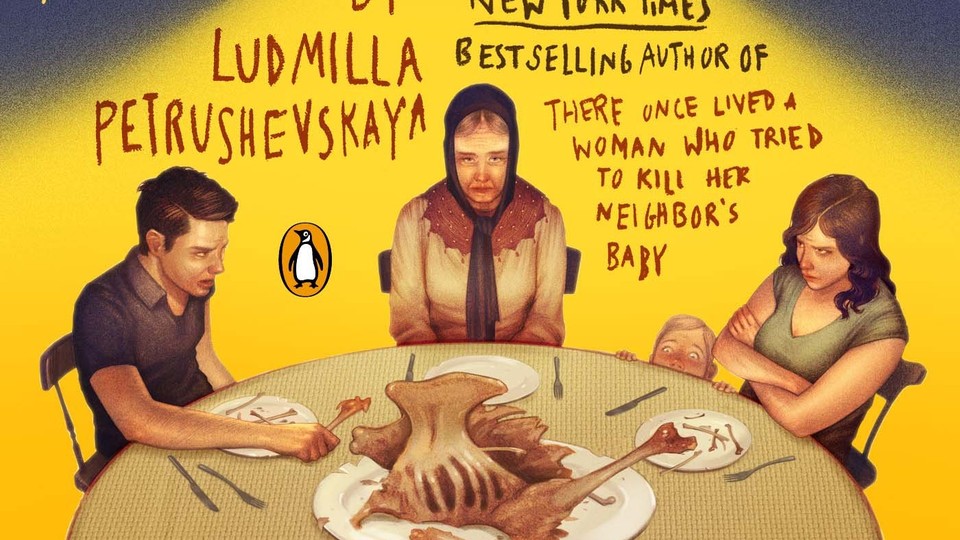
Jammed into cramped Soviet apartments—sharing quarters with estranged husbands, drunken sons, hostile daughters, sobbing grandchildren—Petrushevskaya’s characters get crammed into very few pages, too. Yet where claustrophobic life exposes them to cruelties big and small, they get a chance at liberation within the tight confines of her fiction. There women claim the foreground, and Petrushevskaya often grants them a curiously exhilarating, and disturbing, form of freedom: they flaunt a cold-eyed clarity about those cruelties, both the ones they endure and the ones they commit. For the maternal monologuist of “Among Friends” (1988)—the shocker that closes the collection—the two blur. It doesn’t spoil the plot to say that the mother who leaves her son “choking on blood and snot” aches even as she gloats.
When you buy a book using a link on this page, we receive a commission. Thank you for supporting The Atlantic.