The Wind Rewound
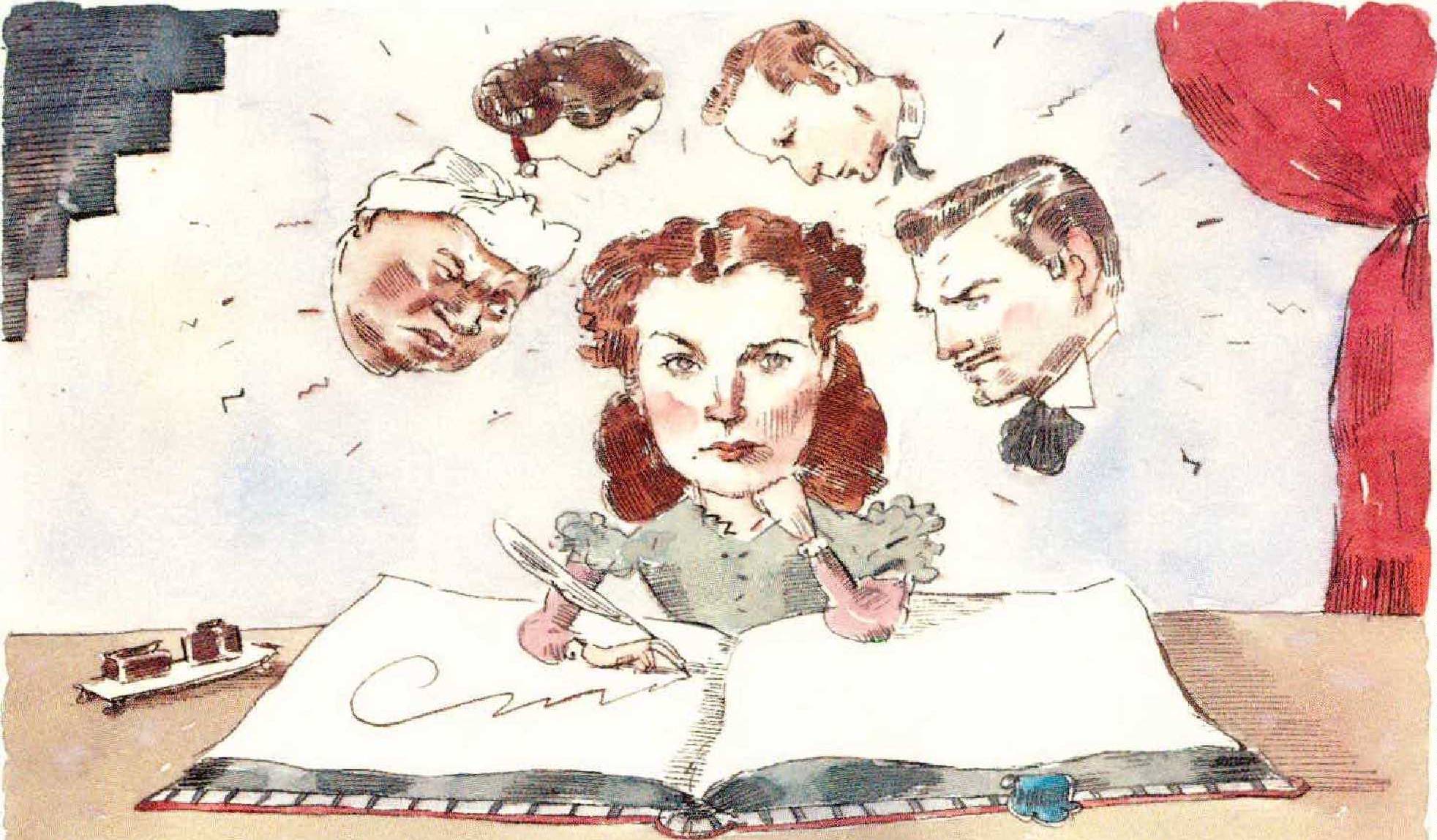
GONE WITH THE WIND is a novel of war and Reconstruction. My fear is that the sequel will begin in pique and deconstruction.
It is either 1890 or 1980, and a frowsy, dispirited Scarlett is cranking out a metafictional memoir of her declining years—or is she? Certainly the characters keep talking back to her, calling her wayward and headstrong and coquettish, but does she put these words into their mouths or do they speak them of their own accord so as to cast their narrator in a more interesting light? Whatever is going on, it is a mess and a disgrace, and nobody is making any bones about that except old General Reader, a recurrent voice reduced to a litany of “Sho nuff, I reckon. I don’t rightly know.”
Rhett is a character-within-a-character (people keep asking him whether anyone ever tells him he looks like Clark Gable), who is determined to get out of character altogether. He fancies himself an earnest but ineffective reformer. He wears an anachronistic (whichever year it is) GIVE A DAMN button and a T-shirt that says TODAY IS ANOTHER DAY, but Scarlett stamps her foot and won’t hear of it.
“I’ll tell you what your trouble is, Scahlett,” he says. “You think you’re omniscient.”
“She’s not even the first person,” sniffs Belle Watling, who is tired of being essentially good-natured, and owns hotels.
“Lawsy, Miss Scahlit, I don’t know nothin’ ‘bout bein’ no stereotype,” Prissy says. “I am a human being with my own inner feelings and aspirations. Or am I just little blips of ink?”
Ashley Wilkes has gotten so sicklied o’er with the pale cast of thought that he has decided nobody can say anything that signifies anything substantial to anybody else. And that’s exactly what he keeps telling everybody all the time.
Aunt Pittypat, become extremely literary, exists only to toss in remarks like “The authah of Black Mischief on his way home from Brideshead. Give up? Waugh between estates.”
Melanie sports an adjustable cap that says TOO SWEET FOR WORDS and has taken to going out and shooting everyone she can find in a blue suit.
The only character who is still herself is Mammy, who keeps walking in on whiny, self-referential goings-on and stomping right back out again, saying, “Hunh! Ain’t fittin’!”
Finally Scarlett has had enough. She summons all her resources, gets down on the floor of her burnt-out study, digs into drifts of blighted, barren manuscript, and utters a vow: “As God is my witness, I am going to take hold of this poor, sorry, mealymouth material here and turn it into a novel of real epic sweep, like in the old days!”
And she does.
I just don’t know how.