In the Forties: A Photographic Portfolio
INTRODUCTION BY NICHOLAS LEMANN
ONE SUNDAY EVENING DURING WORLD WAR I, an infantry private at Camp Dix, New Jersey, wrote a long letter to his sister back home in Montrose, Colorado, describing his trip across the country in a troop train. The private’s name was Roy Stryker, and he wrote on Army-Navy YMCA stationery, patriotically obeying an injunction printed at the bottom of each sheet to use both sides of the paper.
“We have had a very fine trip,” he wrote. “We left Cody at 2:00 PM last Tuesday and arrived here last night (Saturday) or rather this morning about 3:00 AM. We came across N.M., Texas (the Panhandle), Okla., Kansas, Mo., Iowa, Illinois, Indiana, Ohio, Pennsylvania. We stopped for a short time in Kansas City, Chicago, Fort Wayne, Ind., Pittsburgh, Altoona, Pa., Harrisburg, and we came through Philadelphia some time during the night. It was a most interesting trip for a westerner, one who has been raised in the west and knows no other place.”
He went on with the details at some length, and it is possible, reading the letter today, to discern in the young private the presence of a particular eye. He seems to have formed in his mind an overall picture of America, coupled with an instinct for the specific visual cues that could best express what he felt. He was patriotic and sentimental, but also practical. He was drawn to simple, strong images of the country but these could just as easily be industrial images as pastoral ones. The conflict between agriculture and technology seems not to have occurred to him, judging from the letter.
“Eastern Kansas held my attention,” he wrote at one point. “Rolling country straw stacks, strips of trees fringing the creeks, cornfields, and occasionally the spire of the little country church with its cluster of white red-roofed houses about it. The whole country basked in the mellow sunshine and I know that these peaceful scenes made more than one of the boys quiet and thoughtful.” It is hard to imagine a more deeply rural sensibility. But later in the trip, in Illinois, he seems just as stirred by the strength and clamor of machinery: “Our train stopped in the yards at Joliet across the river from the American Steel Wire Mills and such an ovation as we received and believe me it was appreciated from the shrill little toot of the steam shovel to the deep siren of the main plant. Screaming urchins with flags poured from the rows of smoke dimmed houses quickly recognizing the car loads of ‘Khaki.’”
Full of brave resolve, he ended: “I would have liked to [have] dropped in home today and enjoyed a Sunday at home. But a man can’t allow his mind to stray when he is in the Army—there is one thing for all of us and that is over there.” Having gone, and come home, Roy Stryker enrolled at Columbia University became an economics instructor there, and, eventually, arrived at the odd position that allowed him to supervise the taking of the pictures on these pages. They come from a vast and ambitious photographic portrait of the country during and just after World War II, assigned and edited by Stryker in a way that brought out what he had seen and felt as a young man riding on a train to World War I.
As an instructor at Columbia in the 1920s, Stryker became an assistant to and protégé of Rexford Guy Tugwell, the New Deal brain truster. Stryker had begun to rely heavily on the use of photographs to teach economics, and when Franklin Roosevelt called Tugwell down to Washington as assistant secretary of agriculture, Tugwell brought Stryker along, placed him in a division of the Agriculture Department called the Resettlement Administration (soon to be renamed the Farm Security Administration), and charged him with producing photographic evidence of the rural poverty of the Depression.
Stryker hired a group of young, socially conscious photographers and sent them out on the road—among others, Walker Evans, Dorothea Lange, Russell Lee, Ben Shahn, Arthur Rothstein, and Carl Mydans—and they came back with a huge and sober body of work. The project was successful on three levels. First, the pictures were effective propaganda for the New Deal.
Second, they provided the controlling image of the Depression that most Americans hold in their minds even now. Pictures such as Lange’s of a Dust Bowl mother and Evans’s of bleached wooden small-town buildings rise above, say, Henry Fonda playing Tom Joad, or FDR speaking into a radio microphone, as the truest pictorial expression of those times. Finally, the FSA photographs have come to be regarded as works of art, and as such are the subject of several books, and (this would have horrified Stryker) are sold to the affluent and stylish by art galleries.
In 1943, Stryker left the government to work for Standard Oil of New Jersey (now called Exxon), which at that time was even less well loved than usual because it had just been tried and found not guilty on charges of war collaboration with I.G. Farben, the German chemical company. His job at Standard Oil was similar to what it had been at the FSA: to hire photographers to document the activities of Standard Oil in a way that would help create an influential and benign image for the company among both the general public and its employees.
Naturally, there was some question whether he had forsaken his principles; people who knew him answer by saying that by that time photographic documentation was a higher principle for him than New Deal politics. Standard Oil offered him the chance to mount a project much grander than the one he had run at the FSA. He could cover the world. He stayed at Standard Oil until 1950, when the project had begun to be scaled down because the company’s polling showed that its image was improving only slightly. He then moved to Pittsburgh to teach and to assemble photographs at the University of Pittsburgh and for several private employers. He died in 1975, at the age of eightytwo.
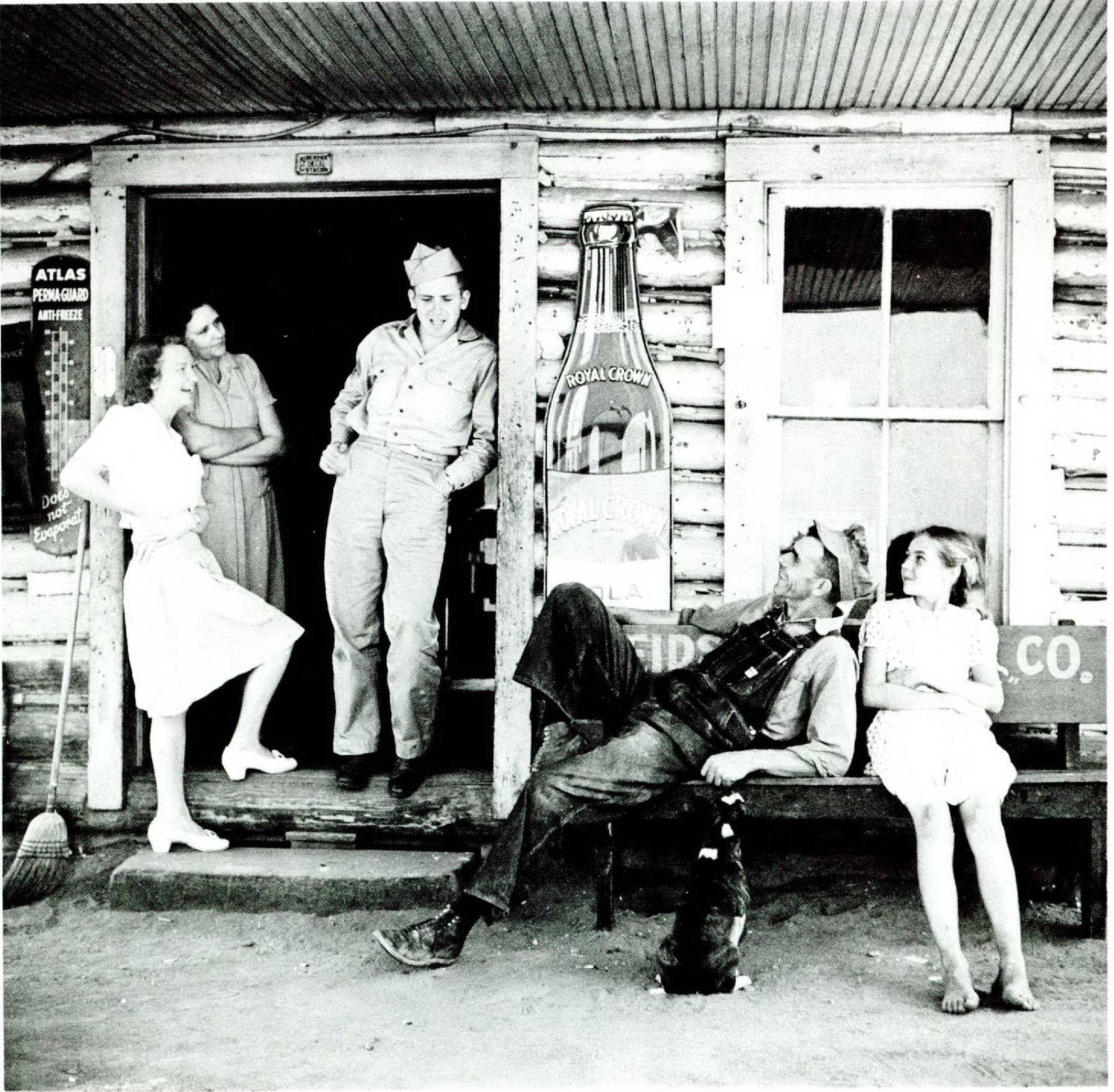
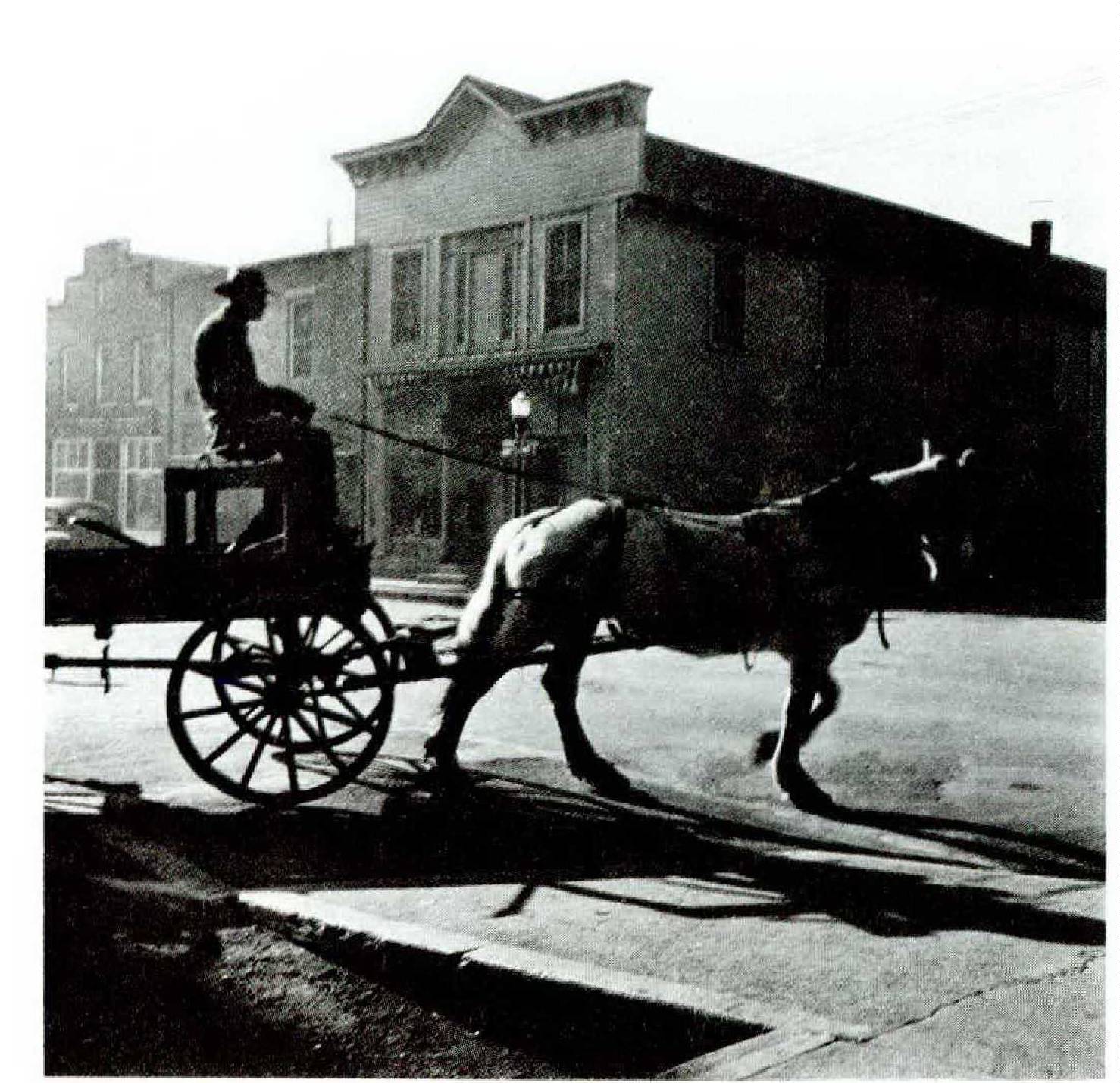
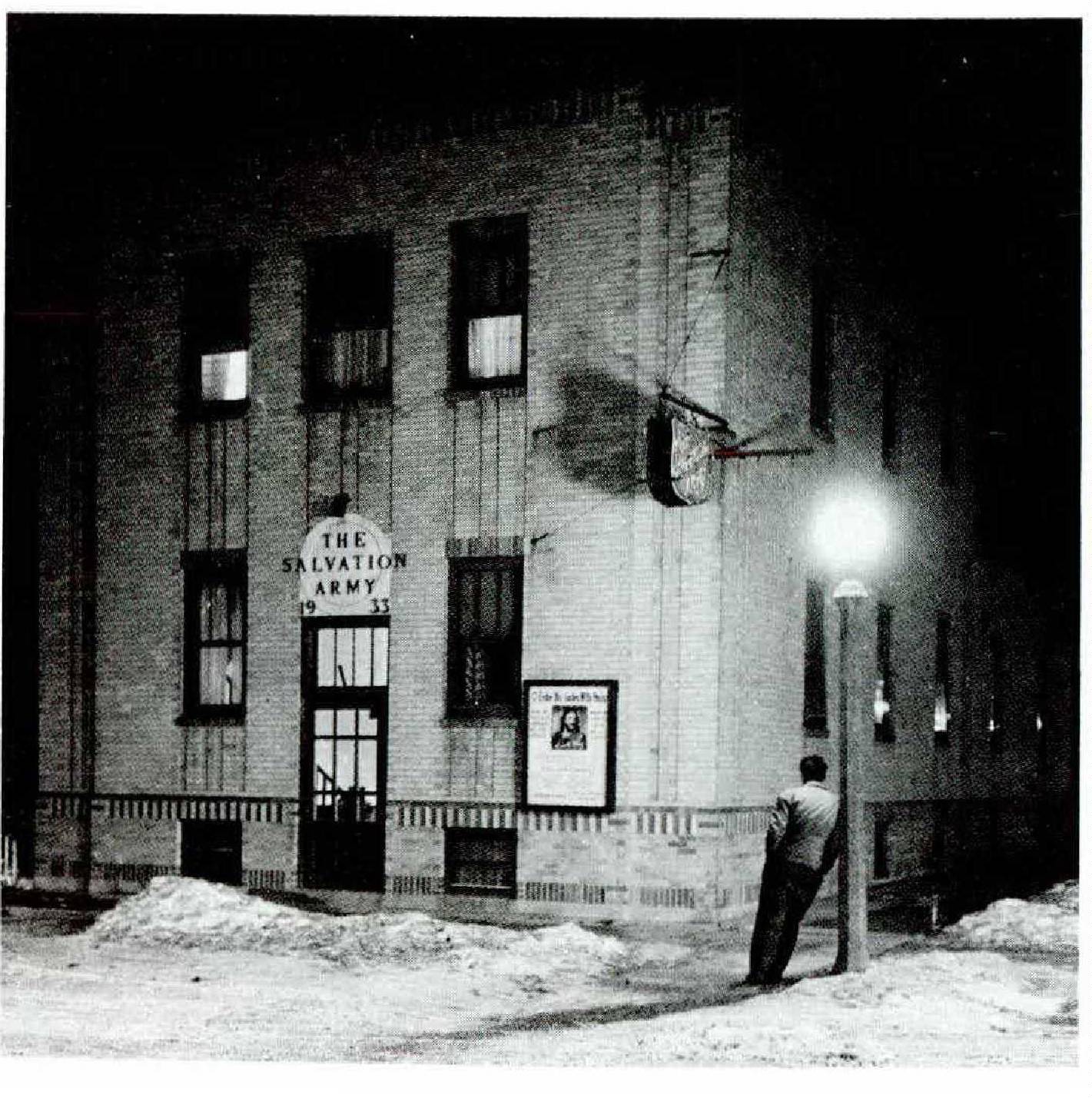
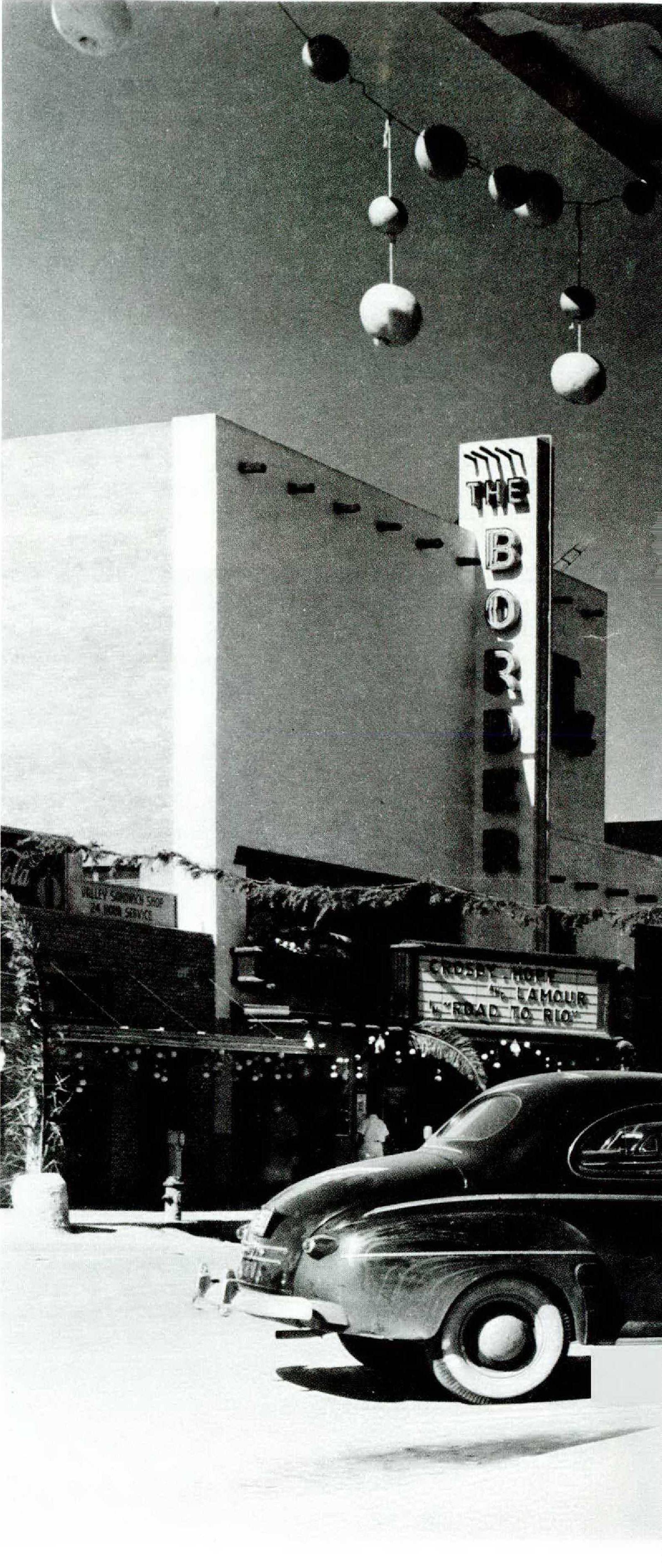
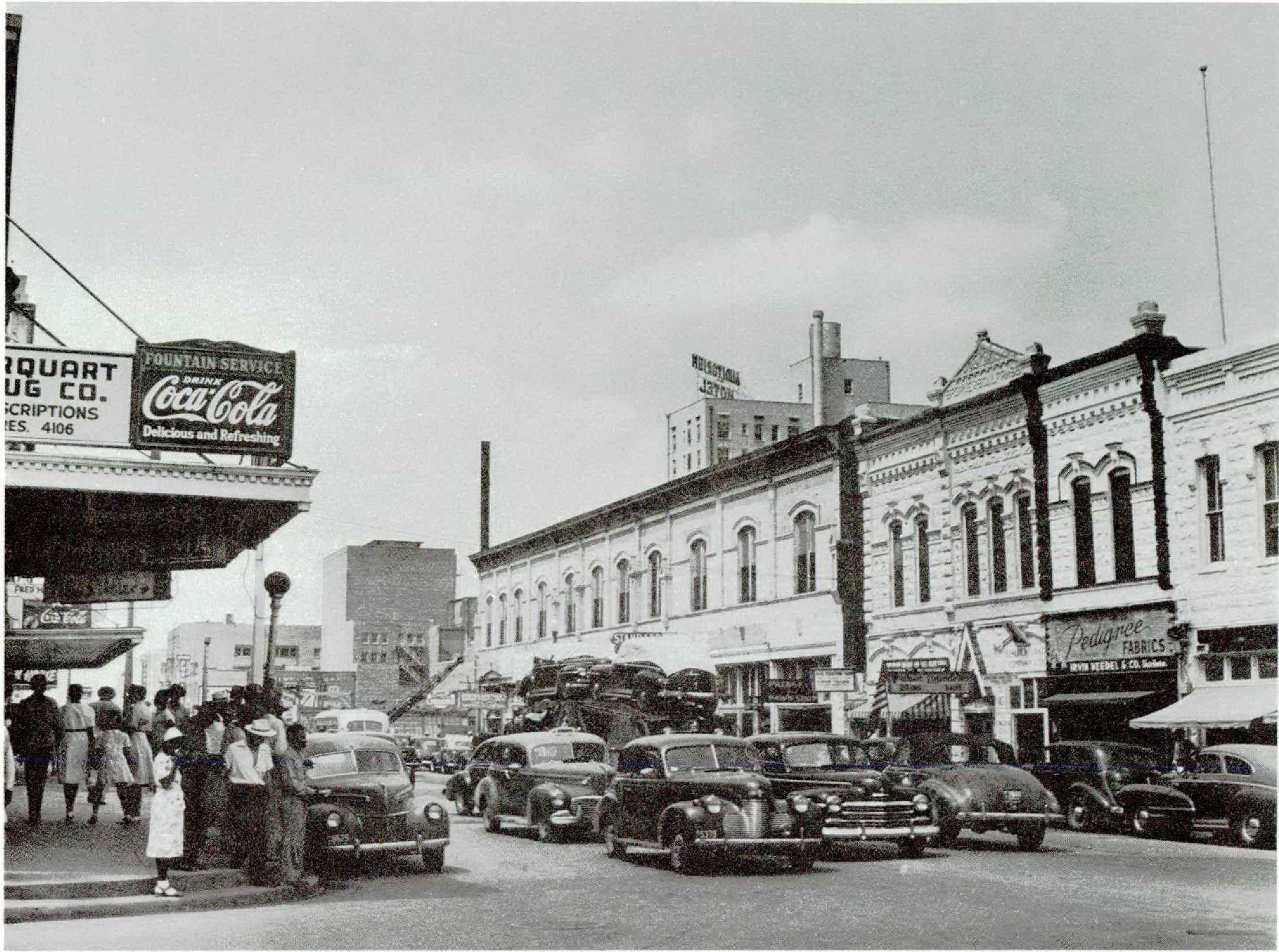
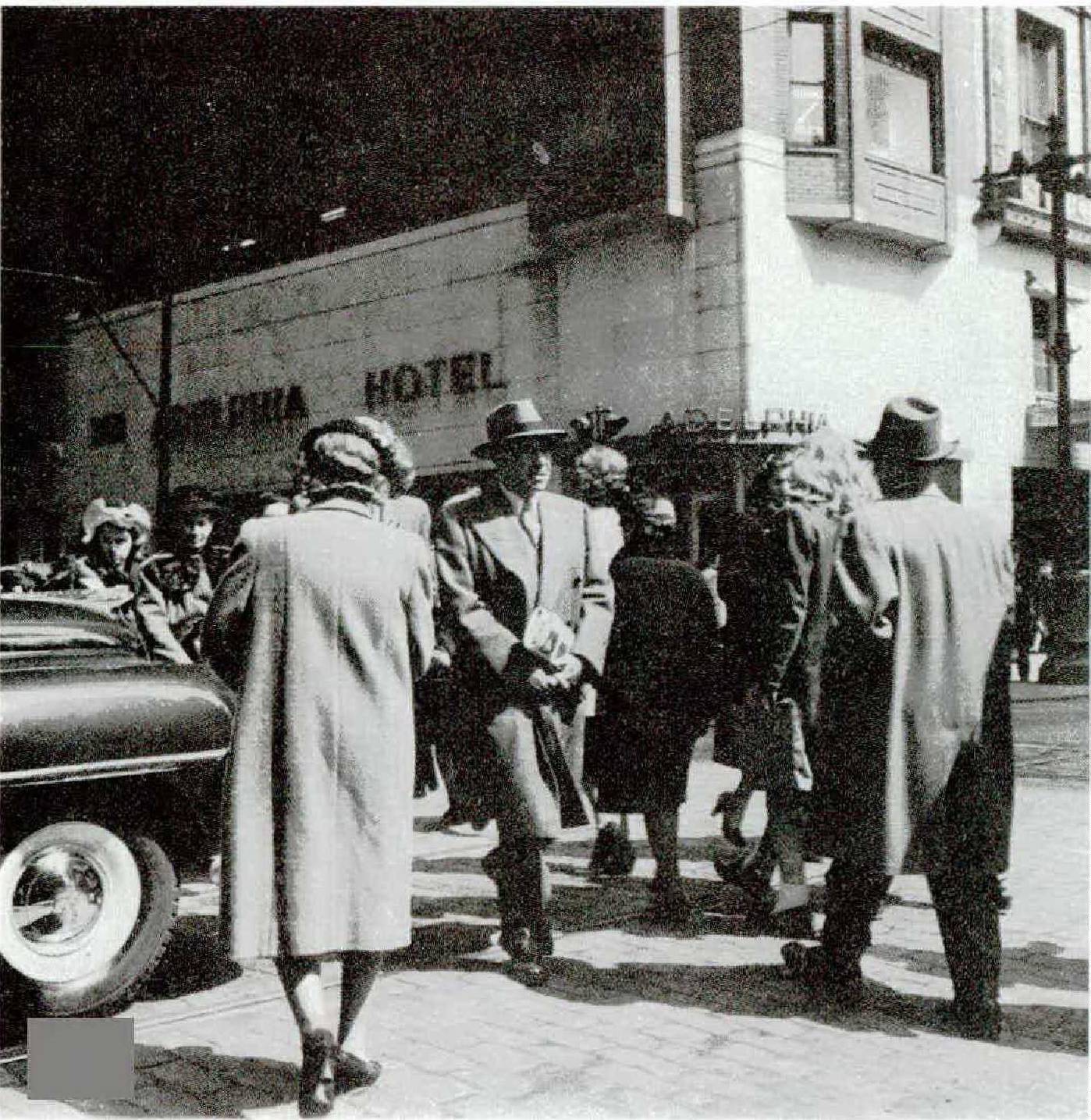
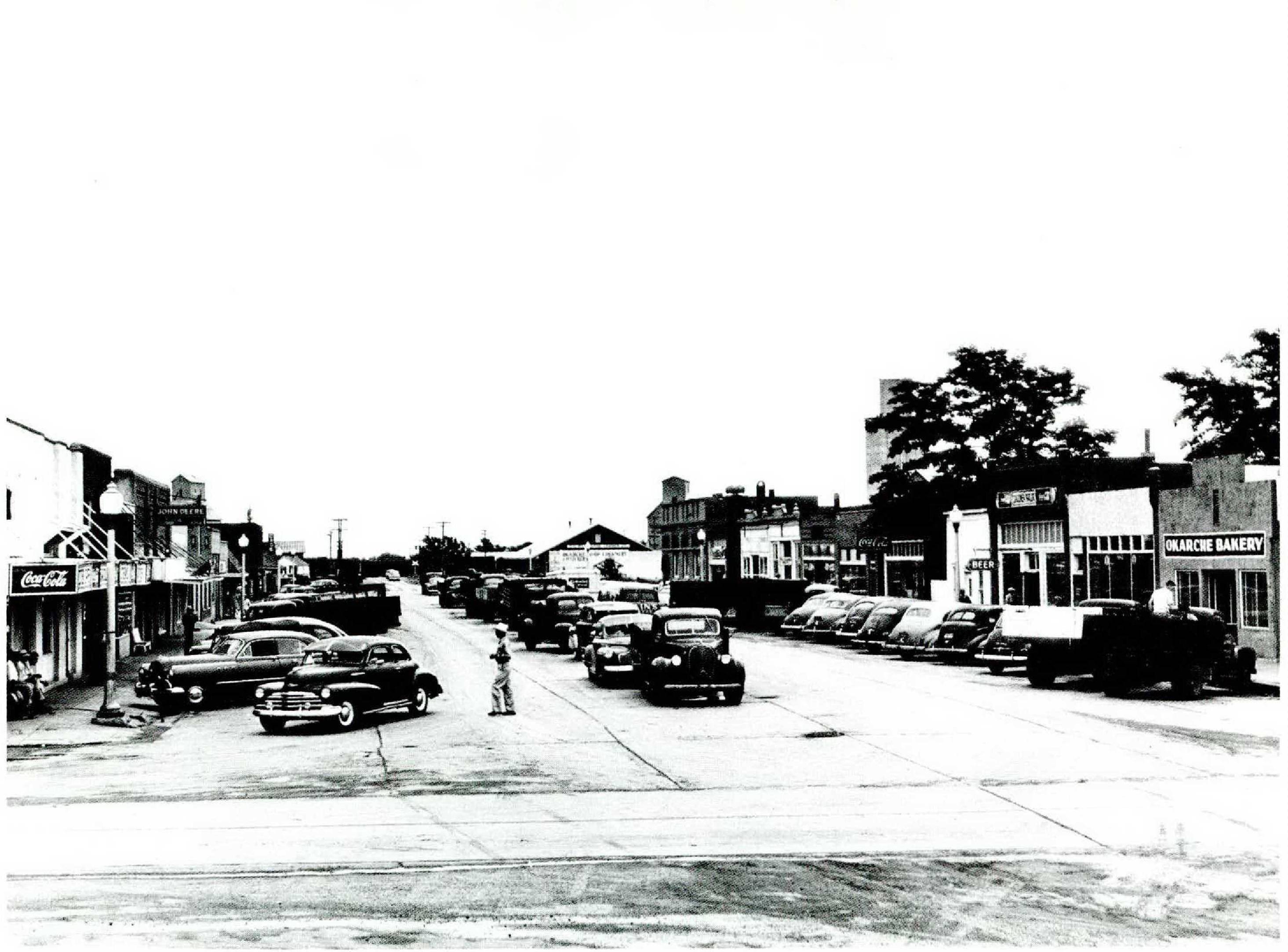
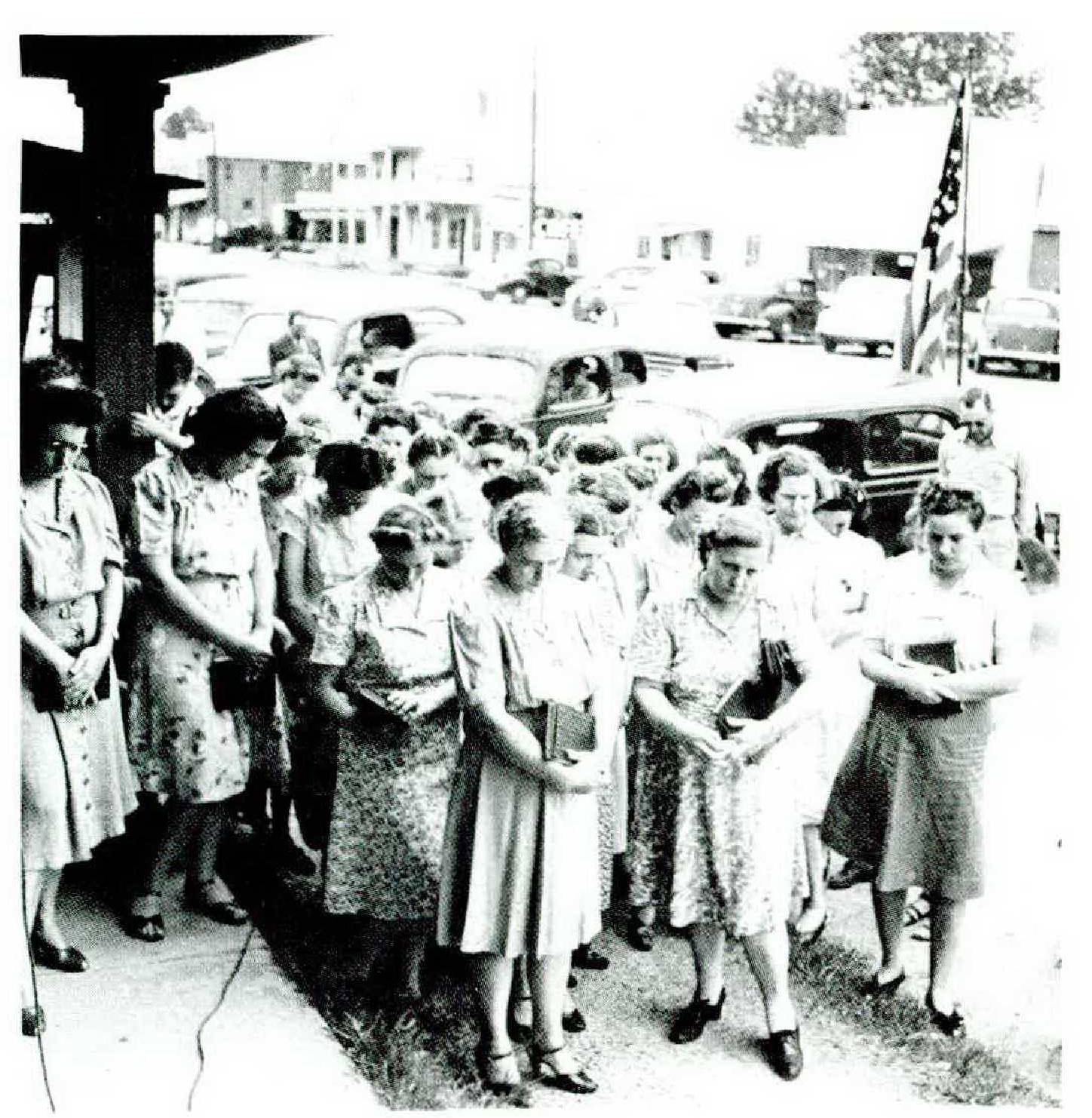
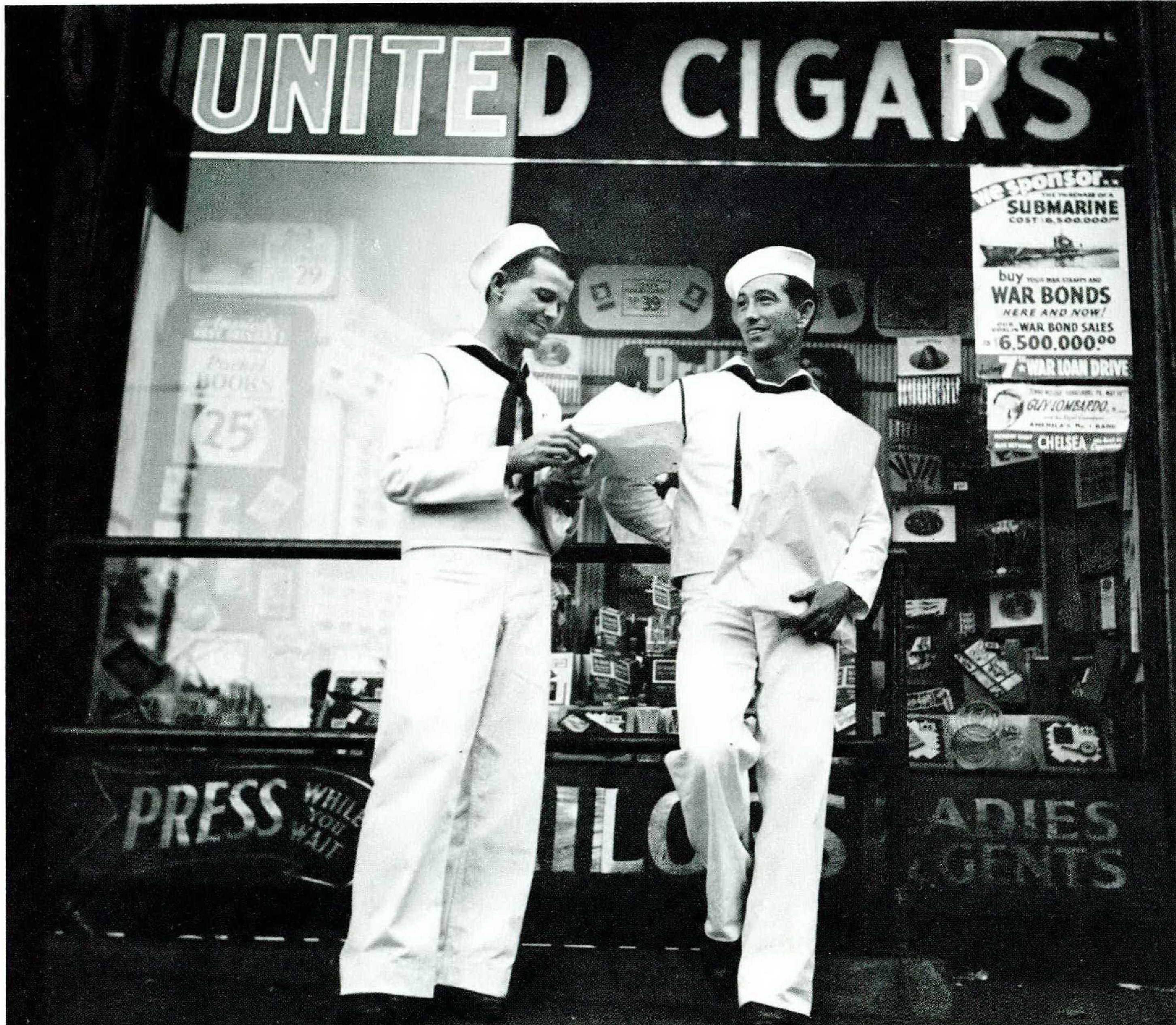
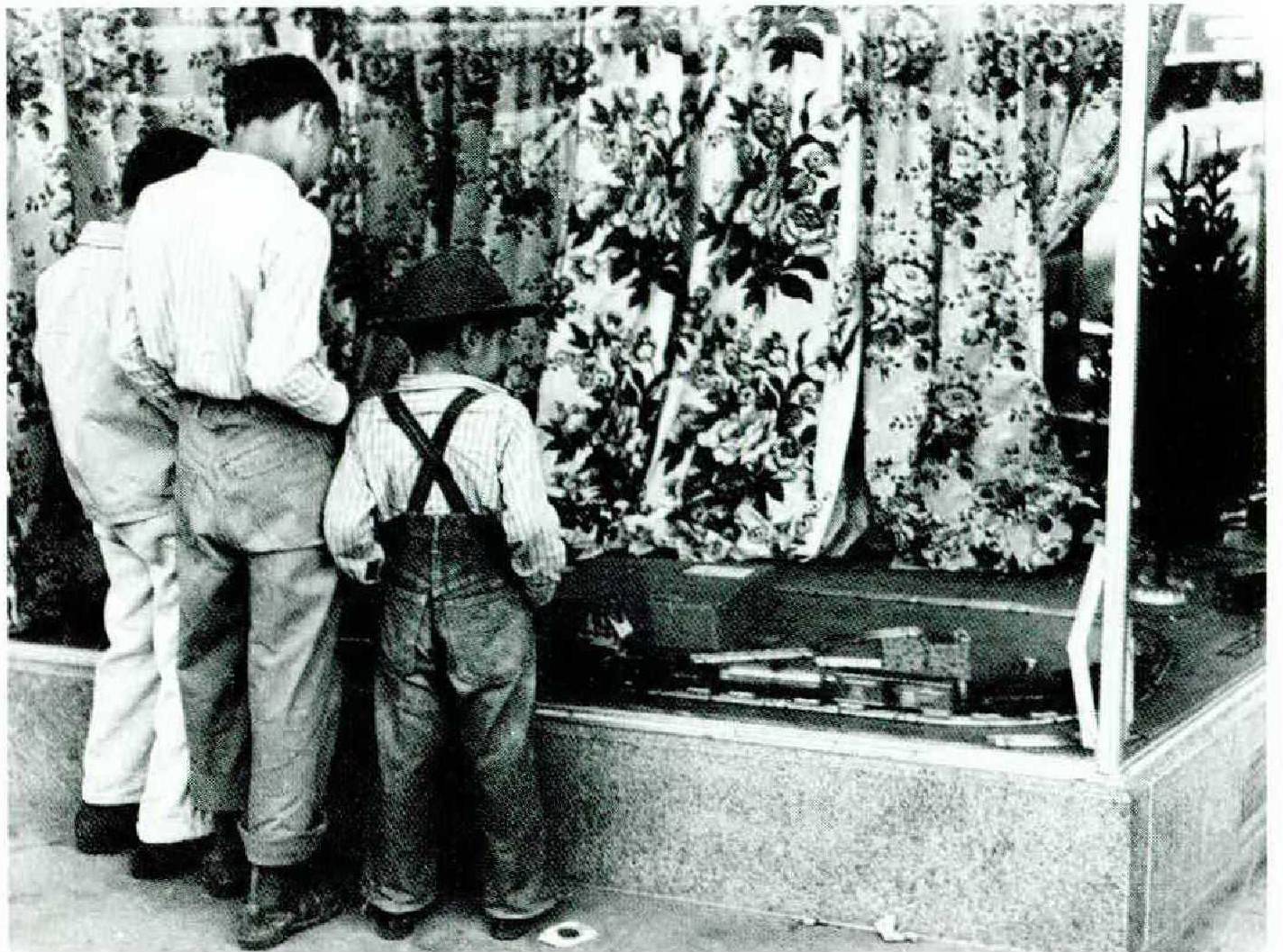
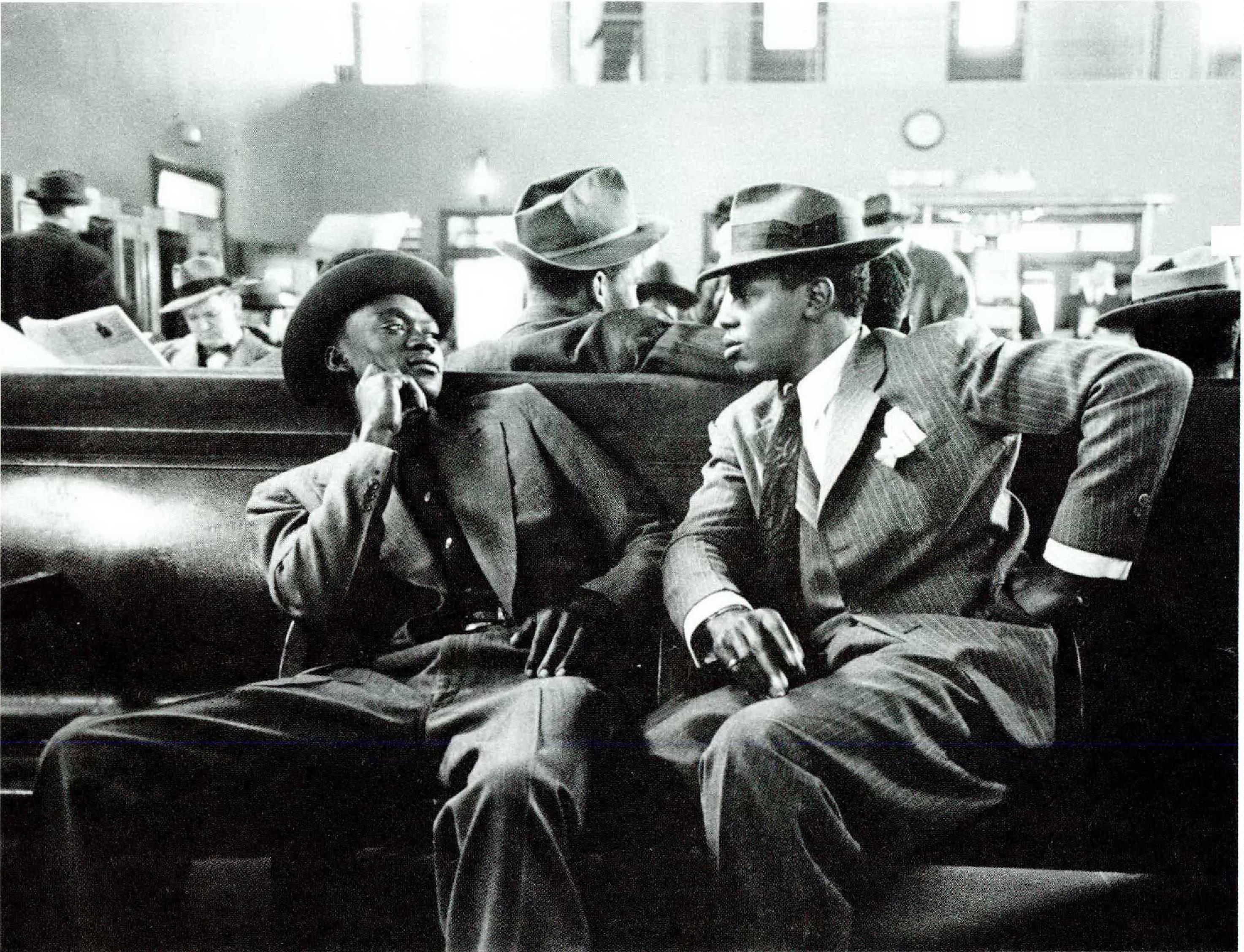
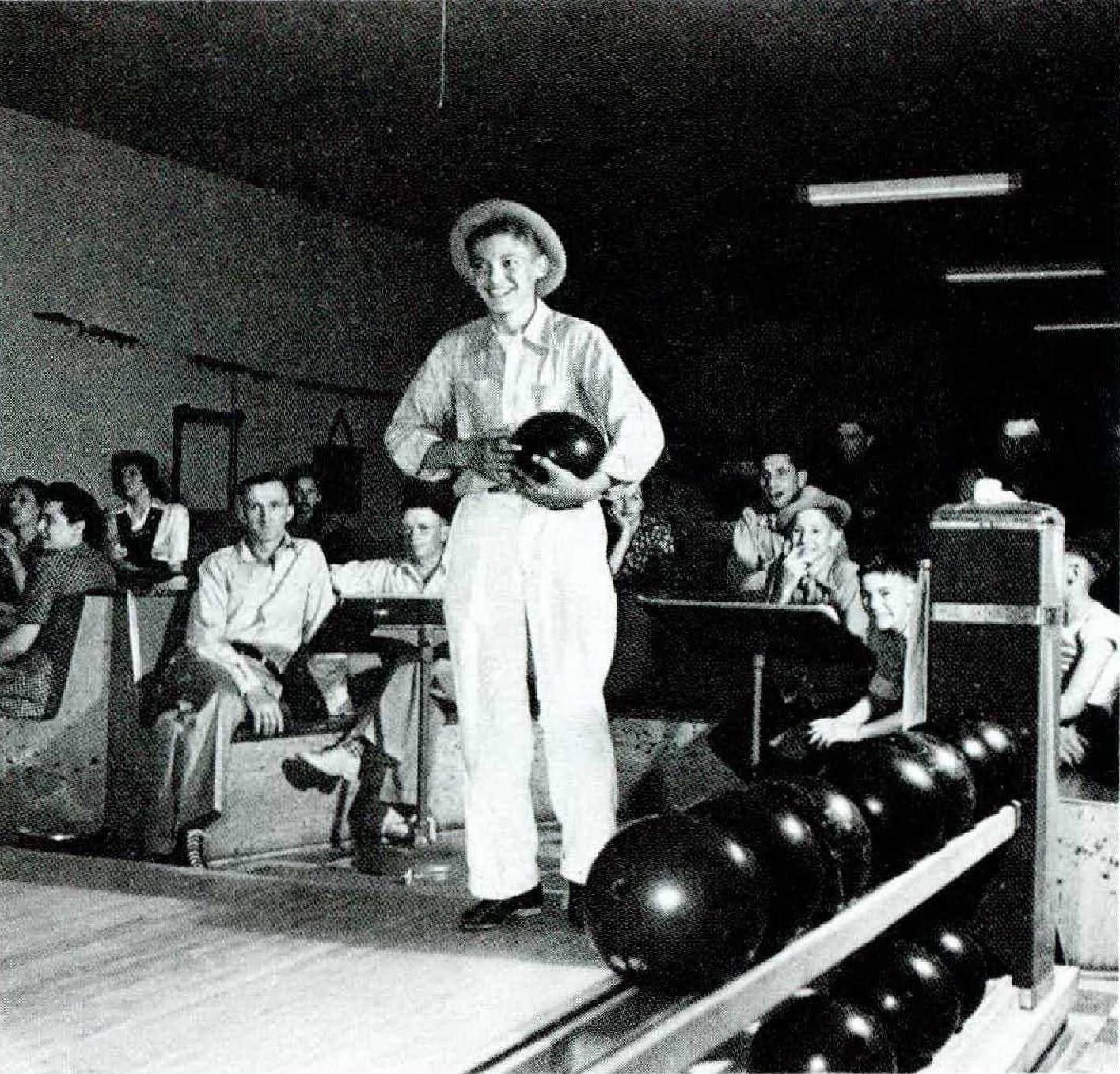
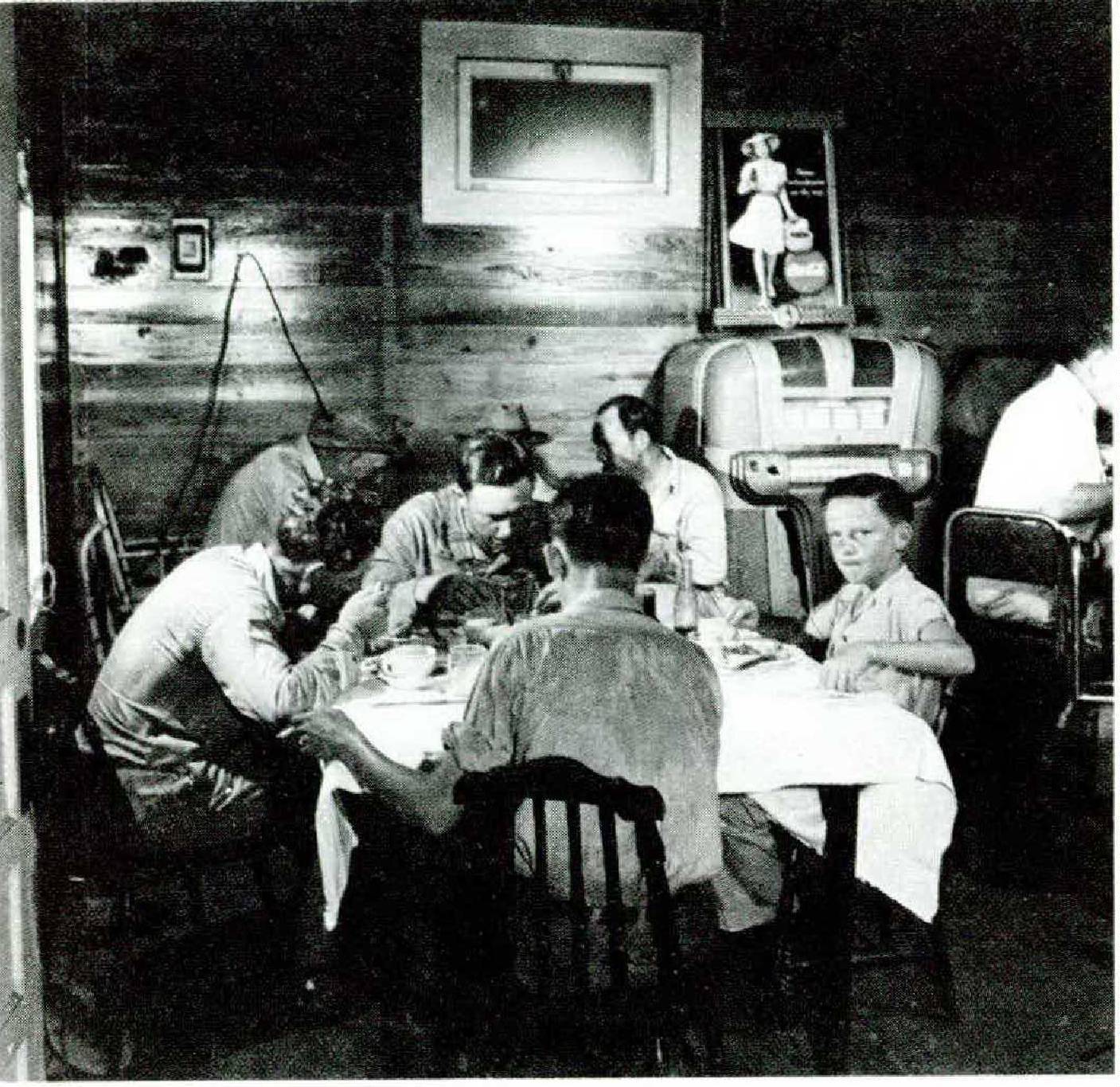
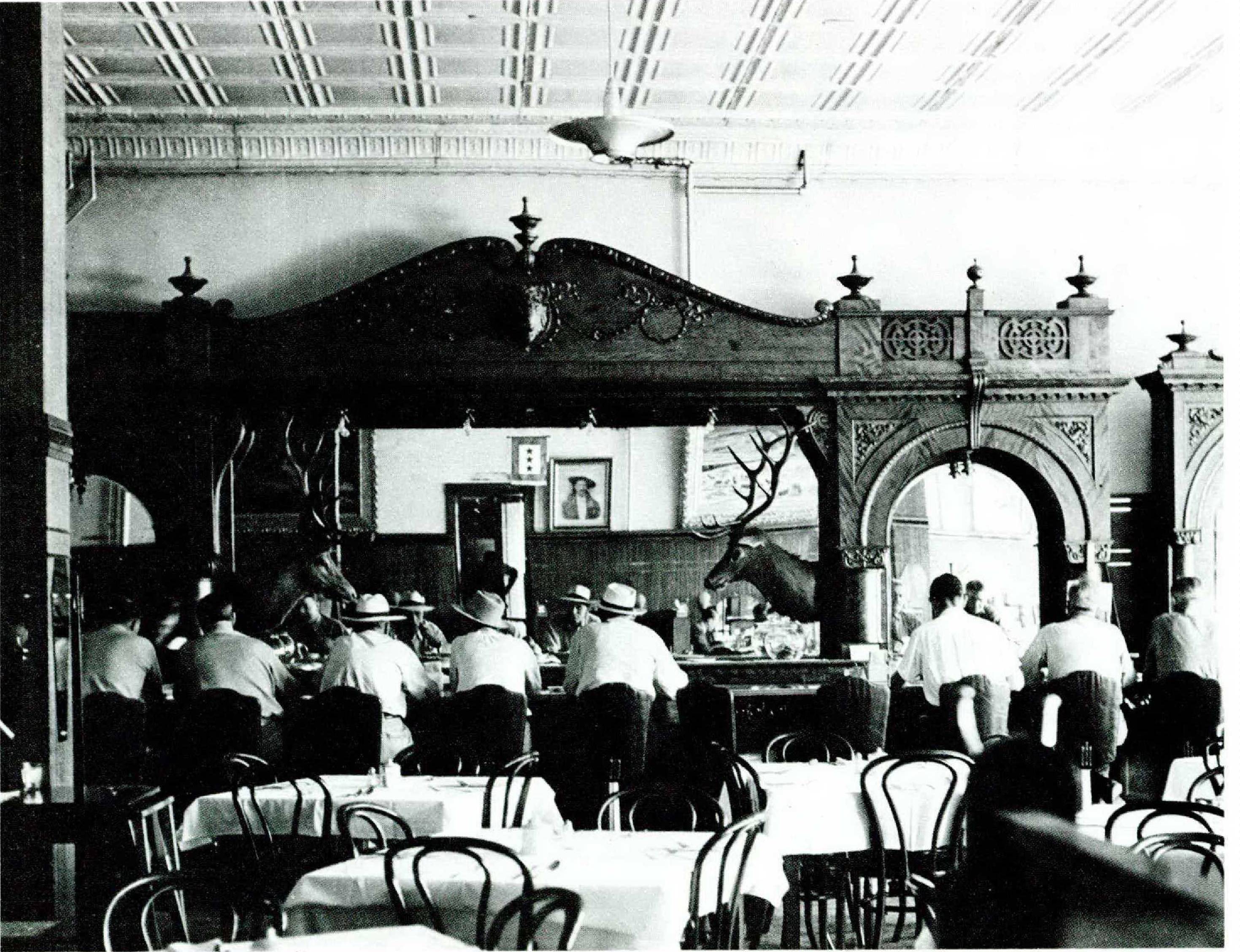
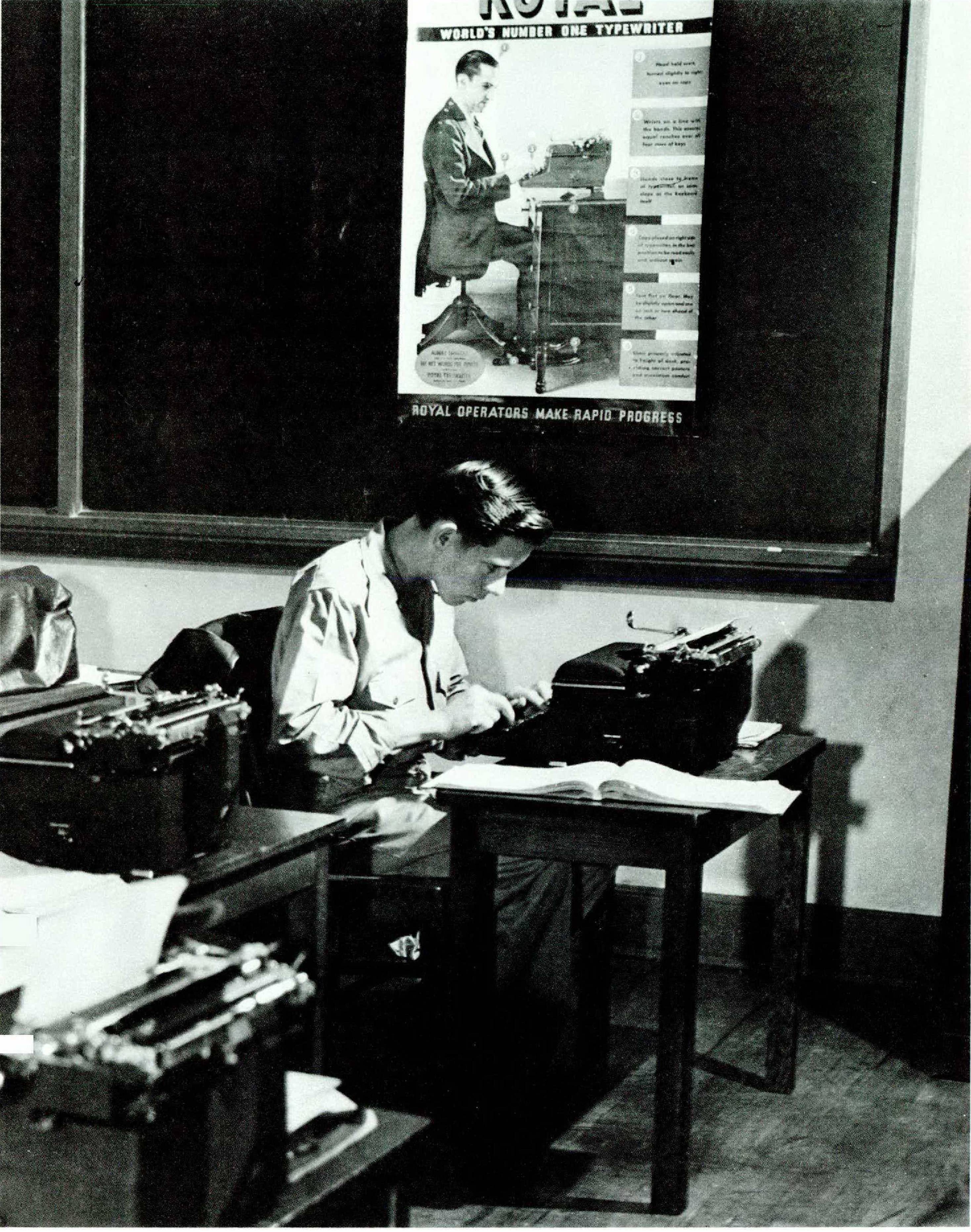
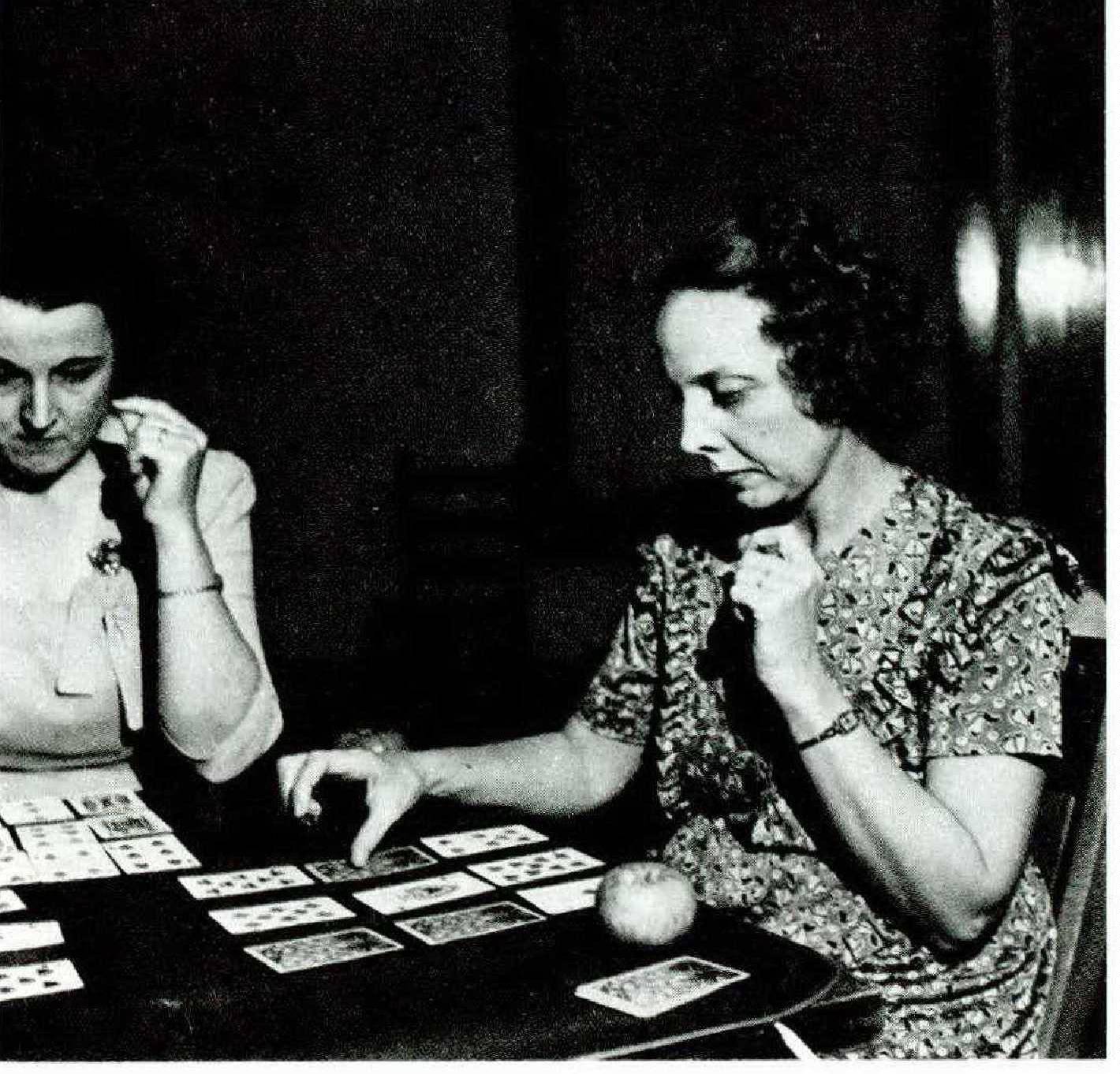
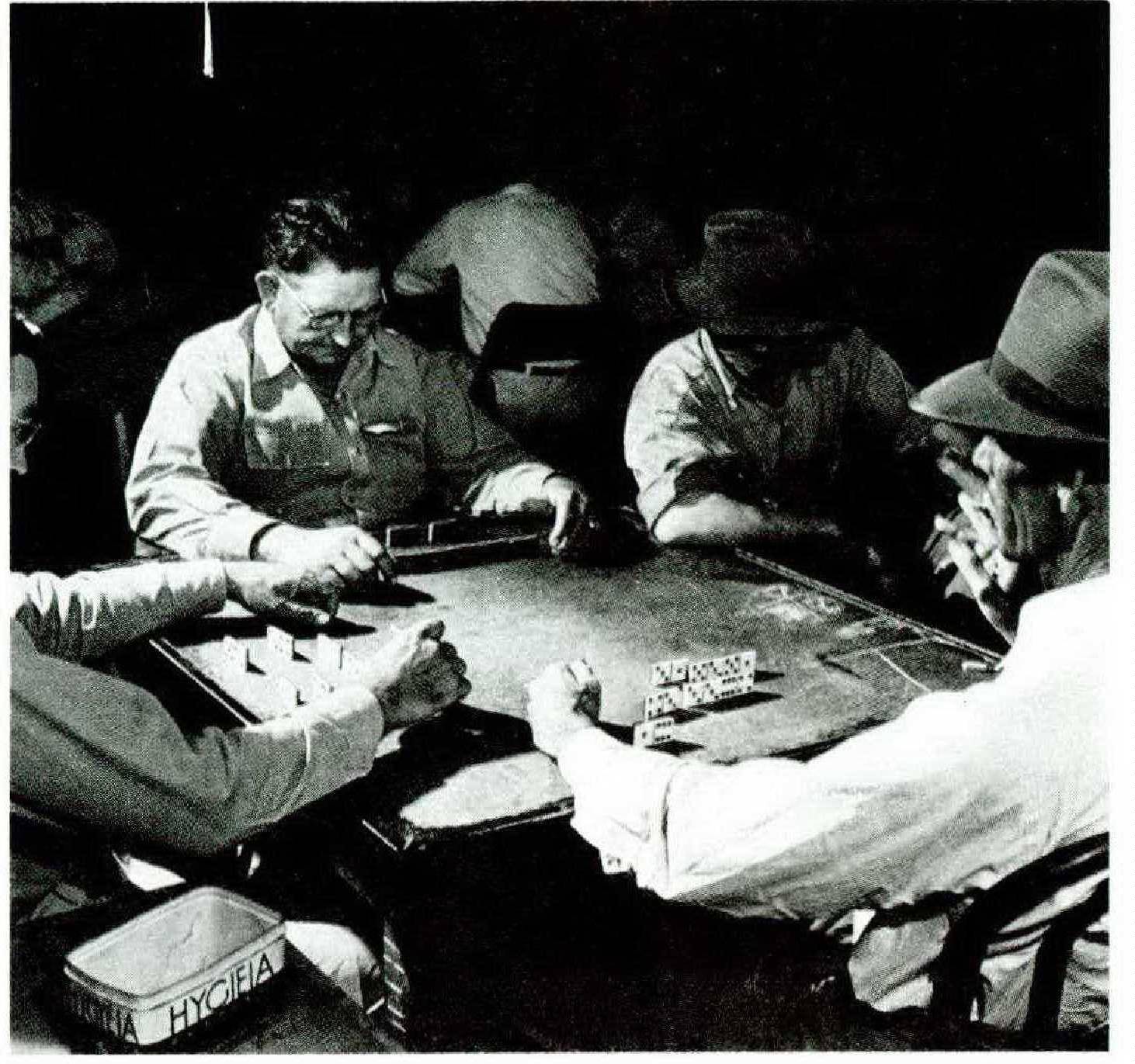
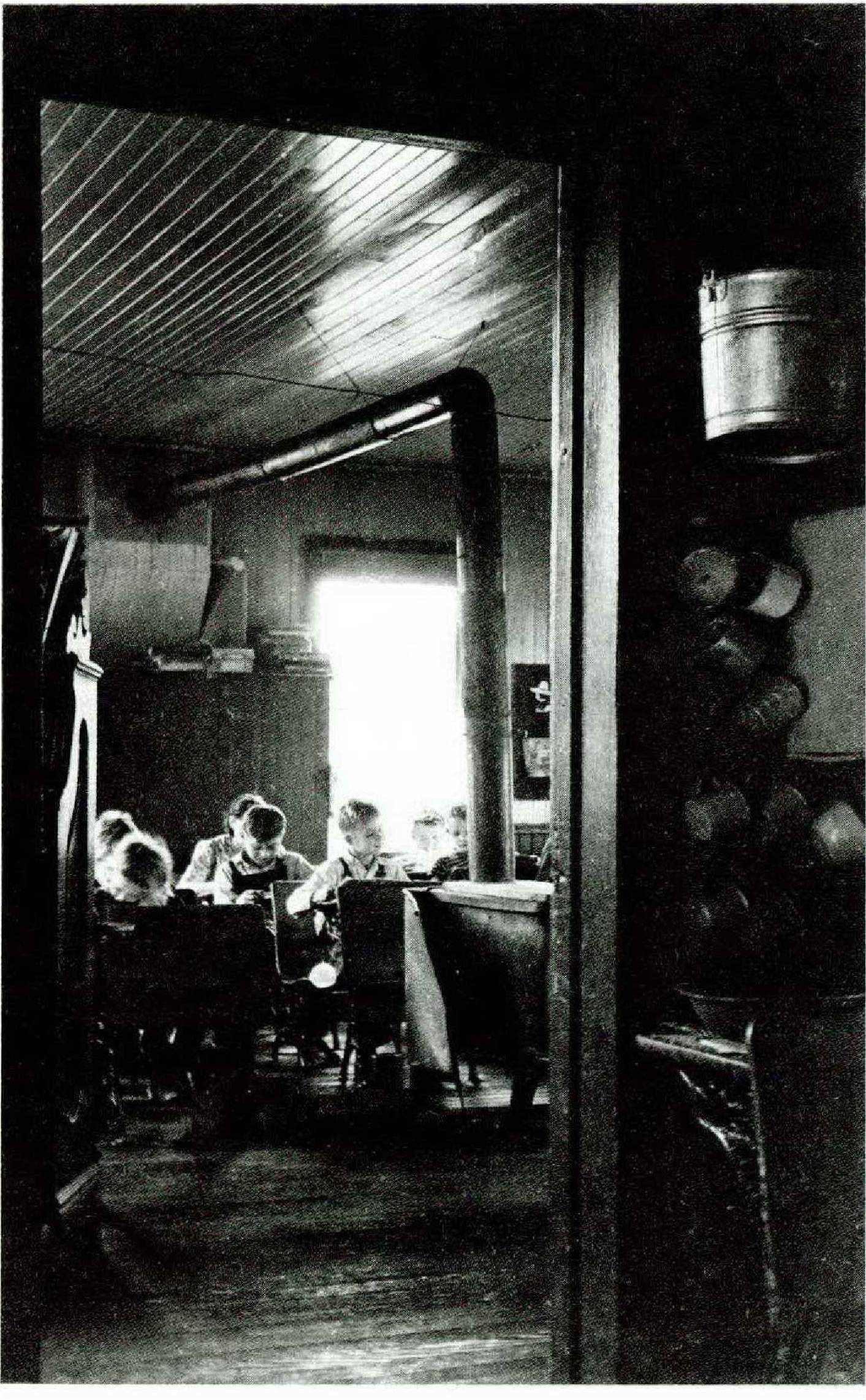
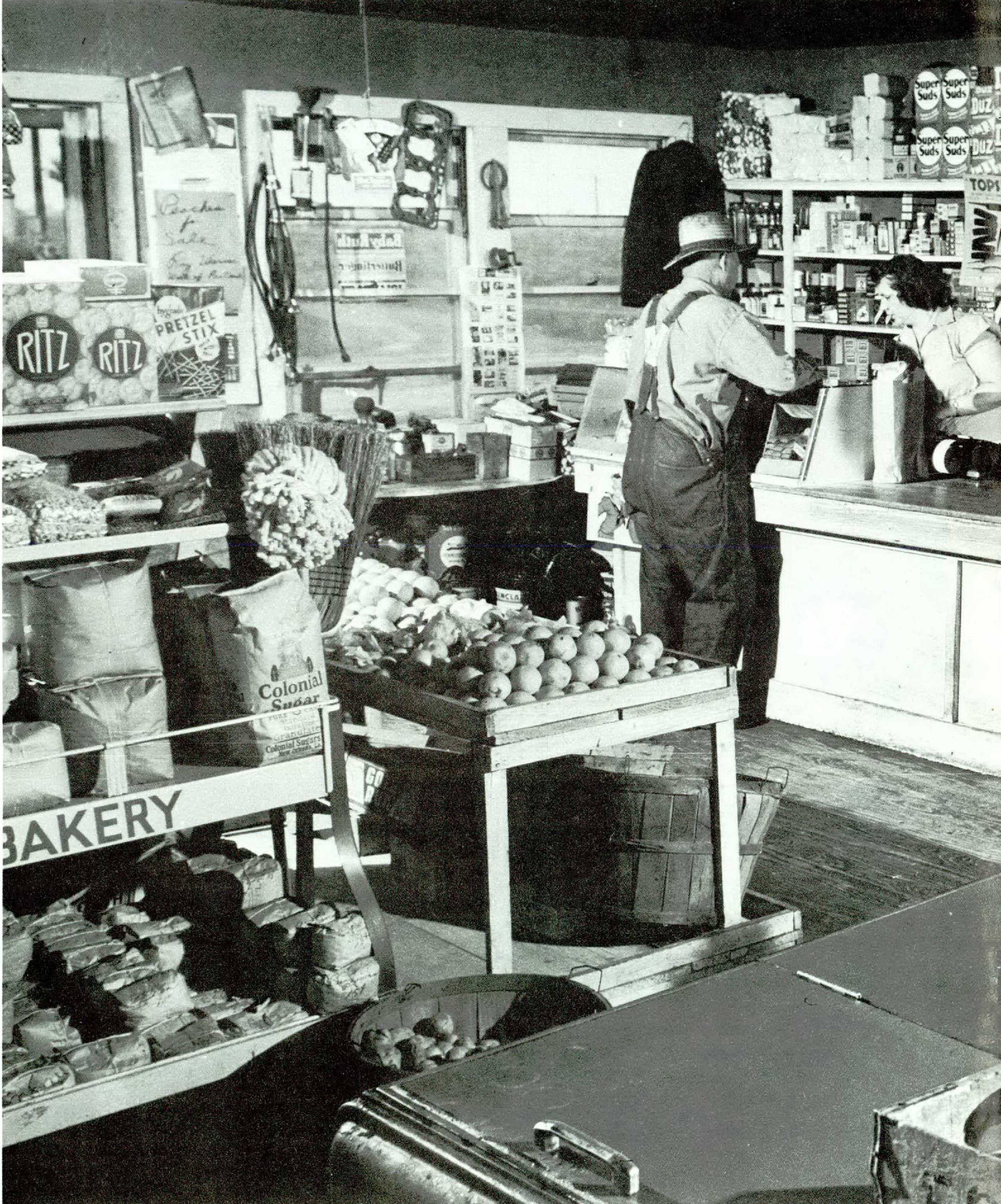
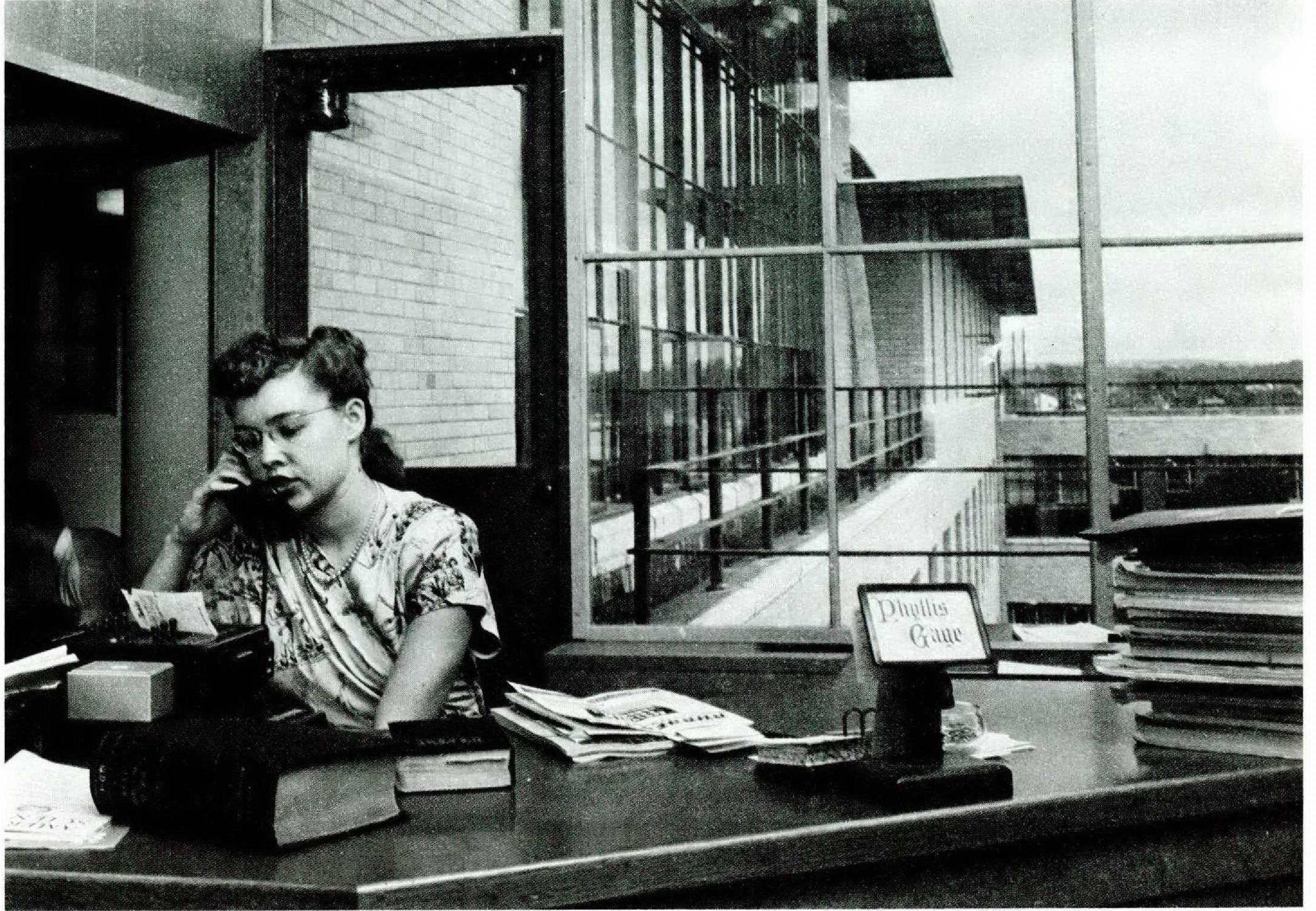
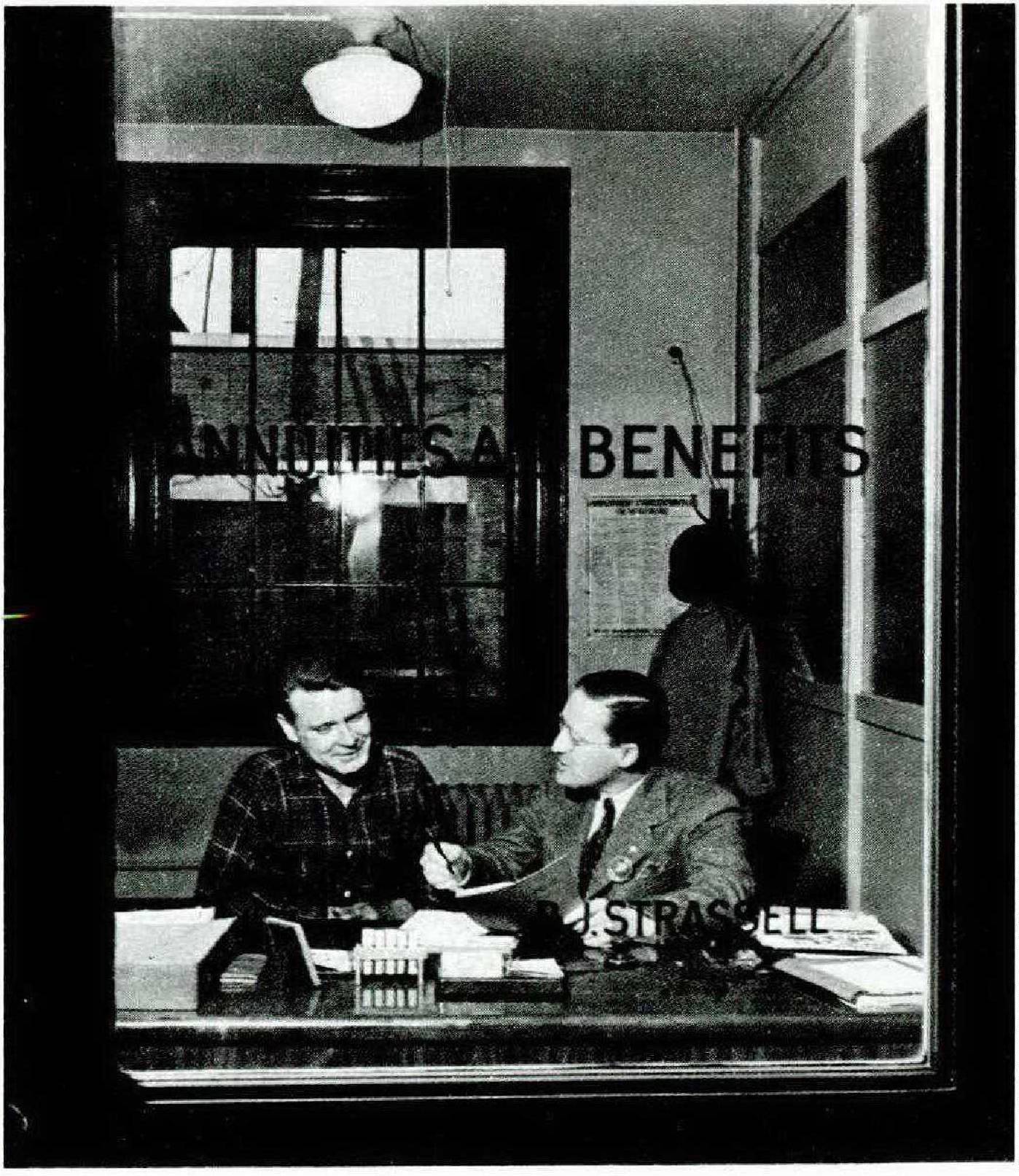
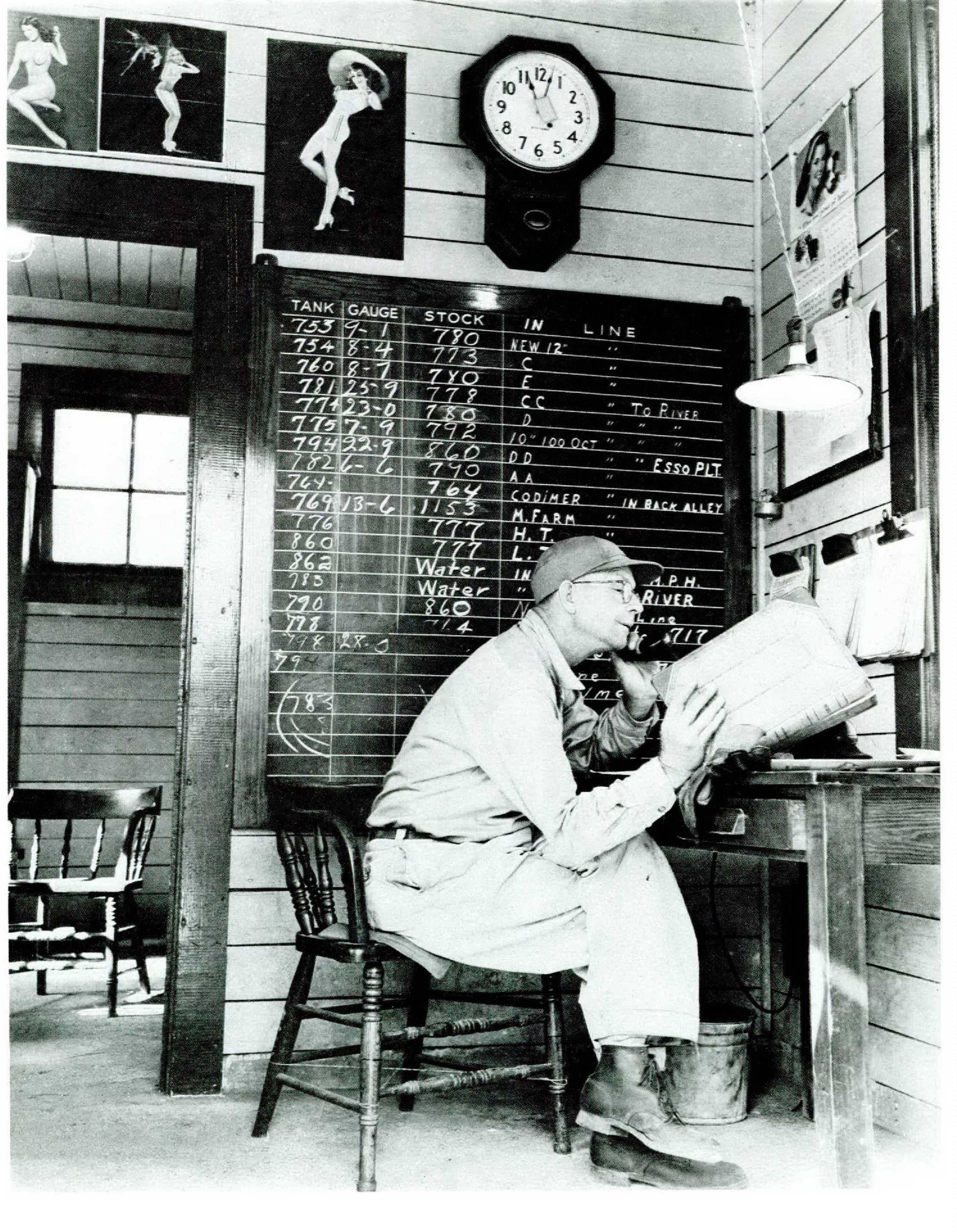
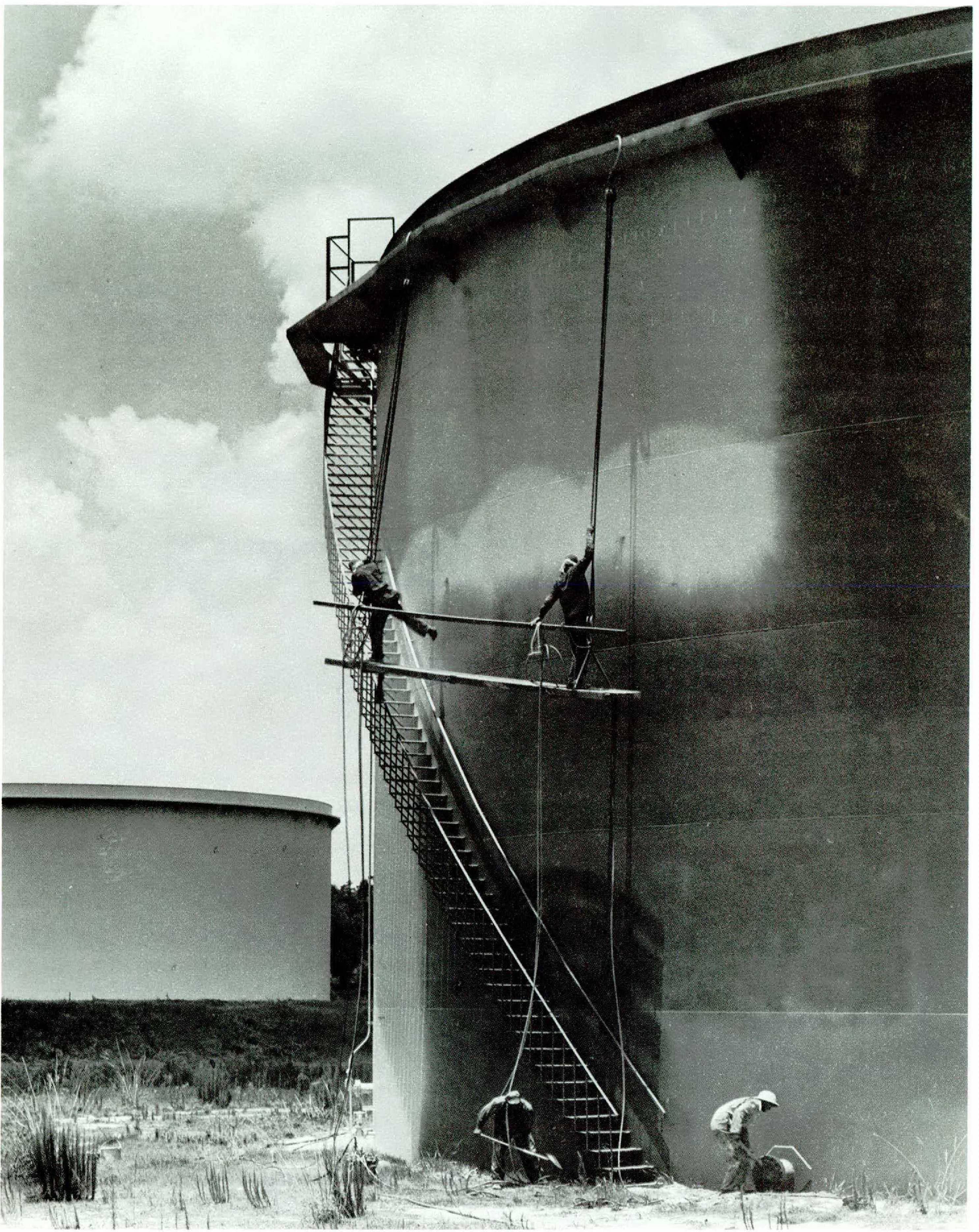
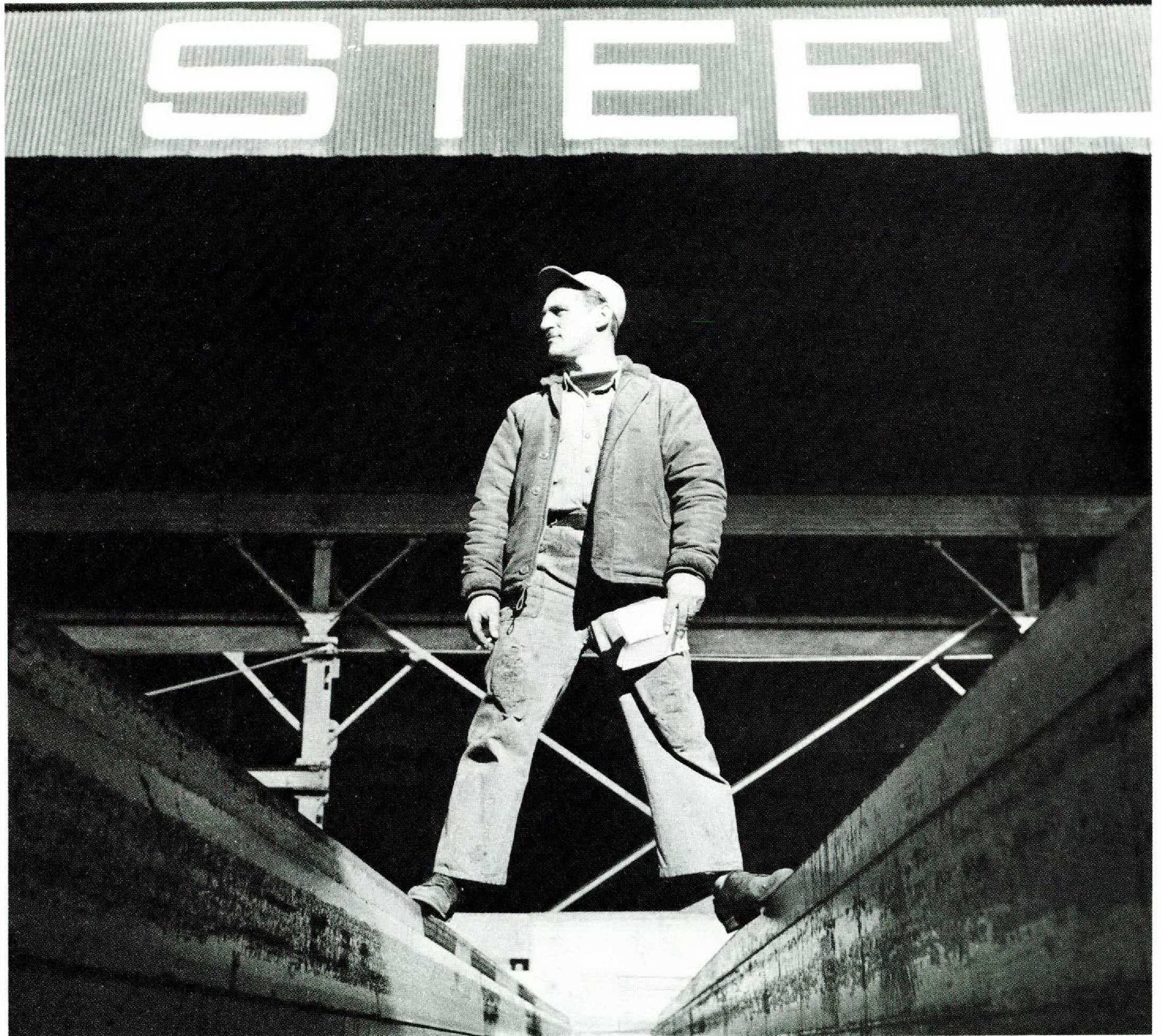
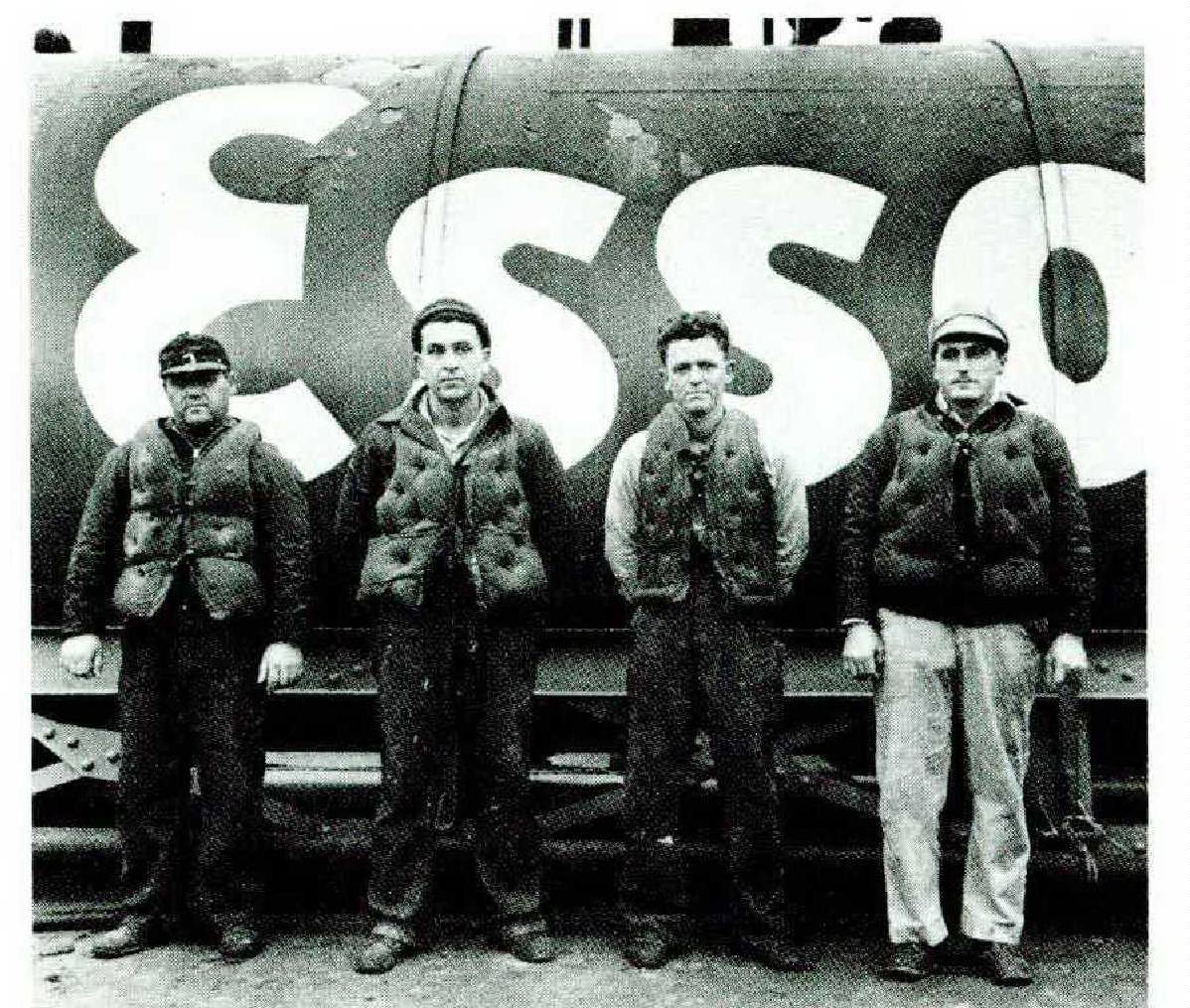
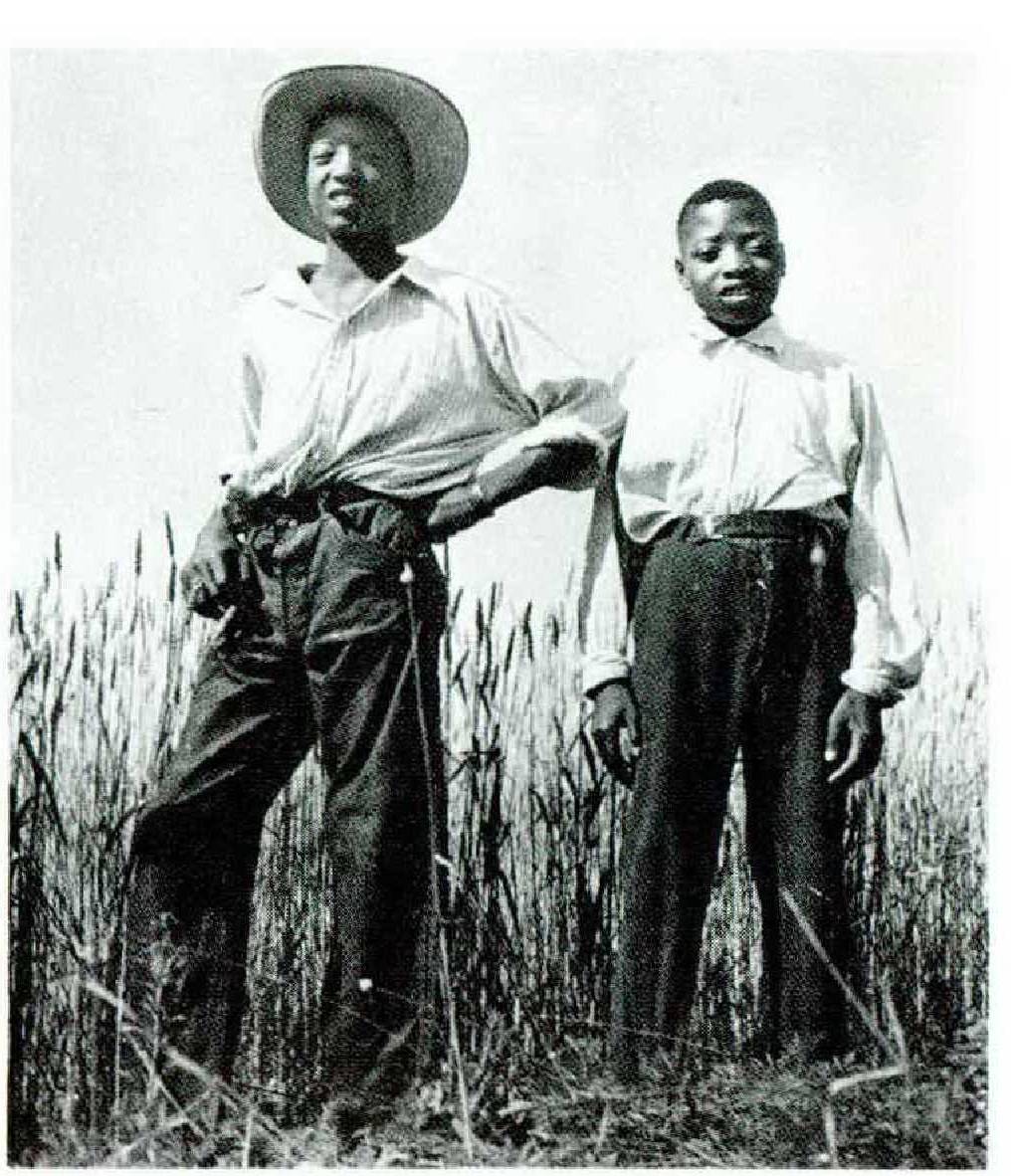
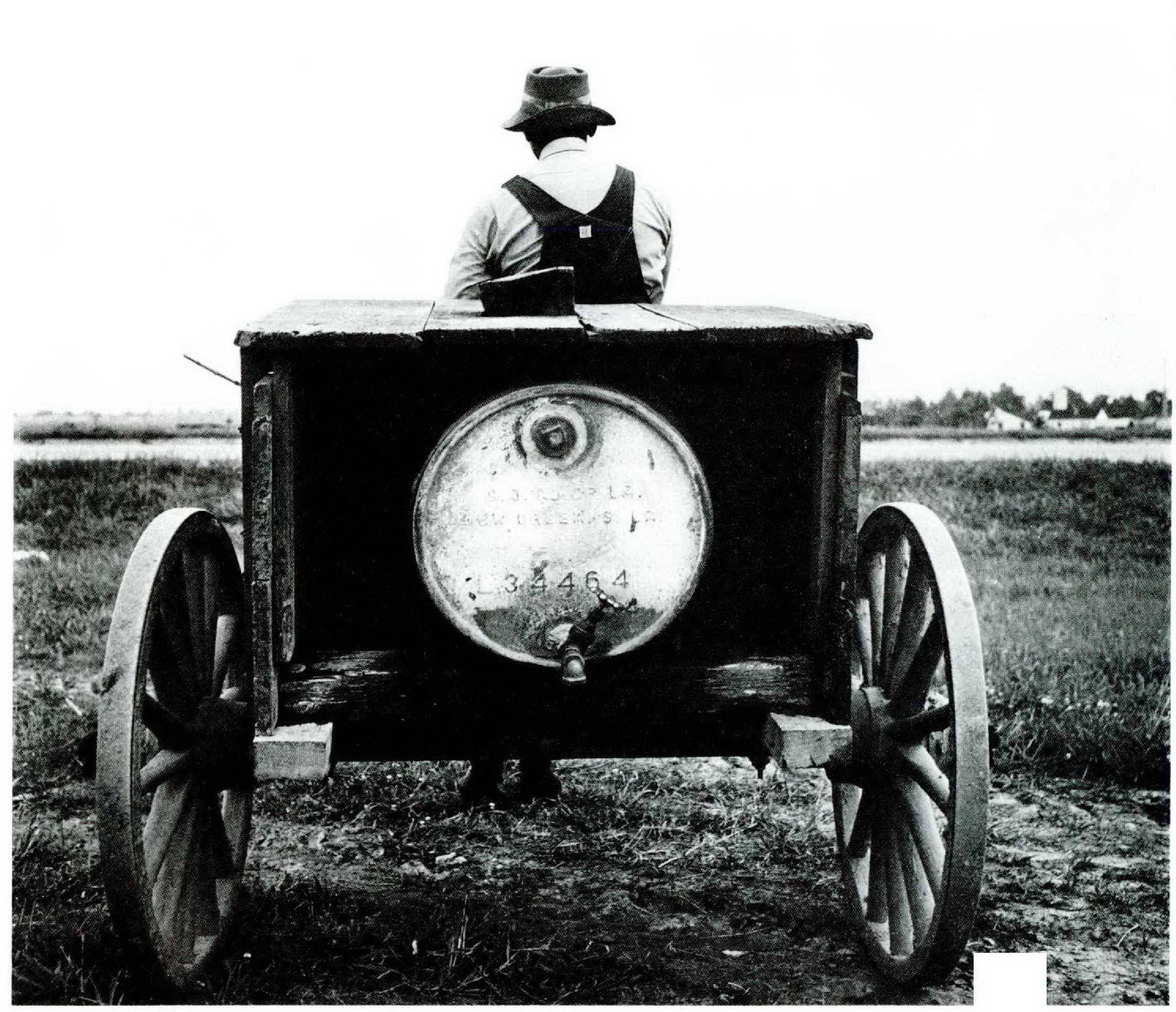
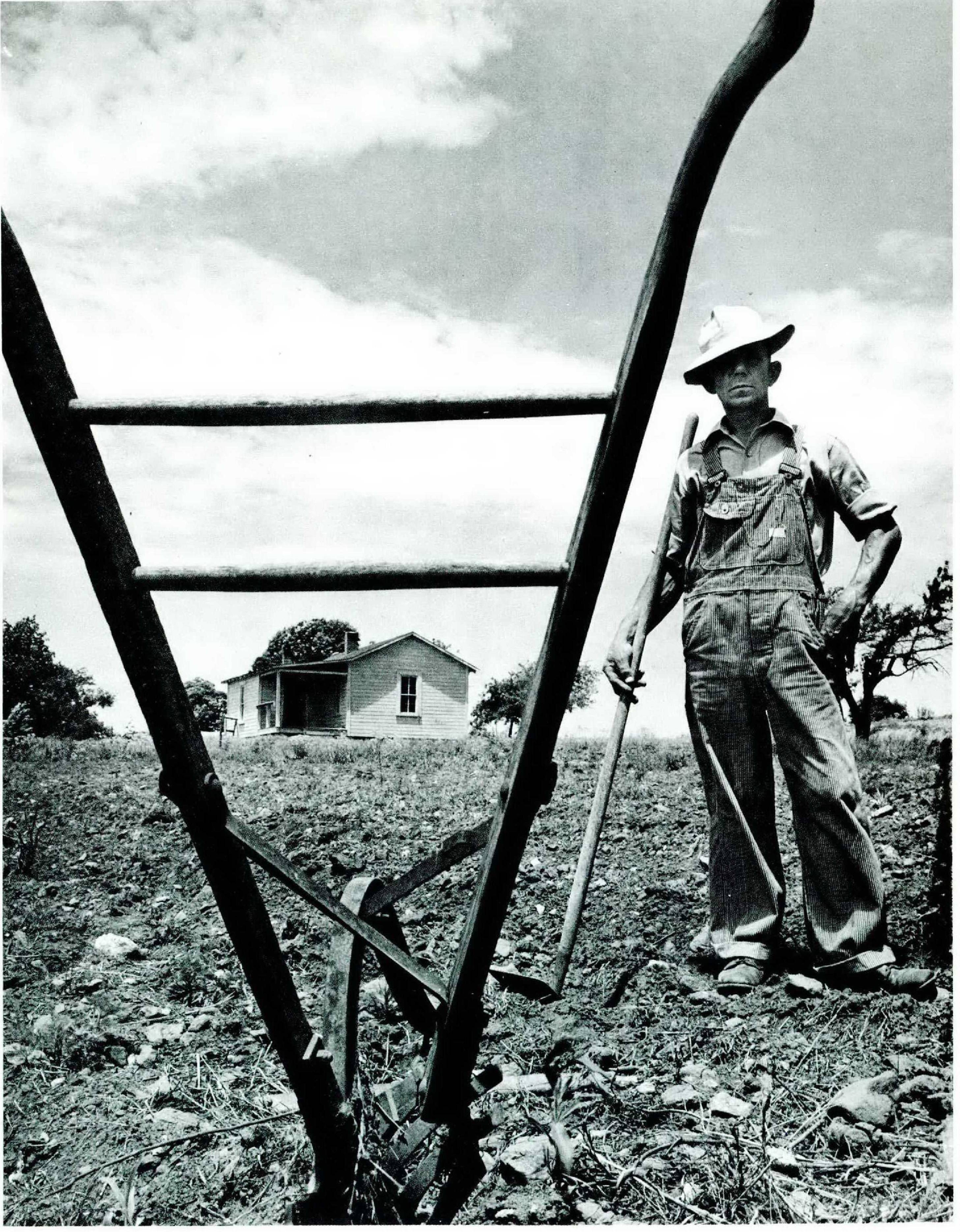
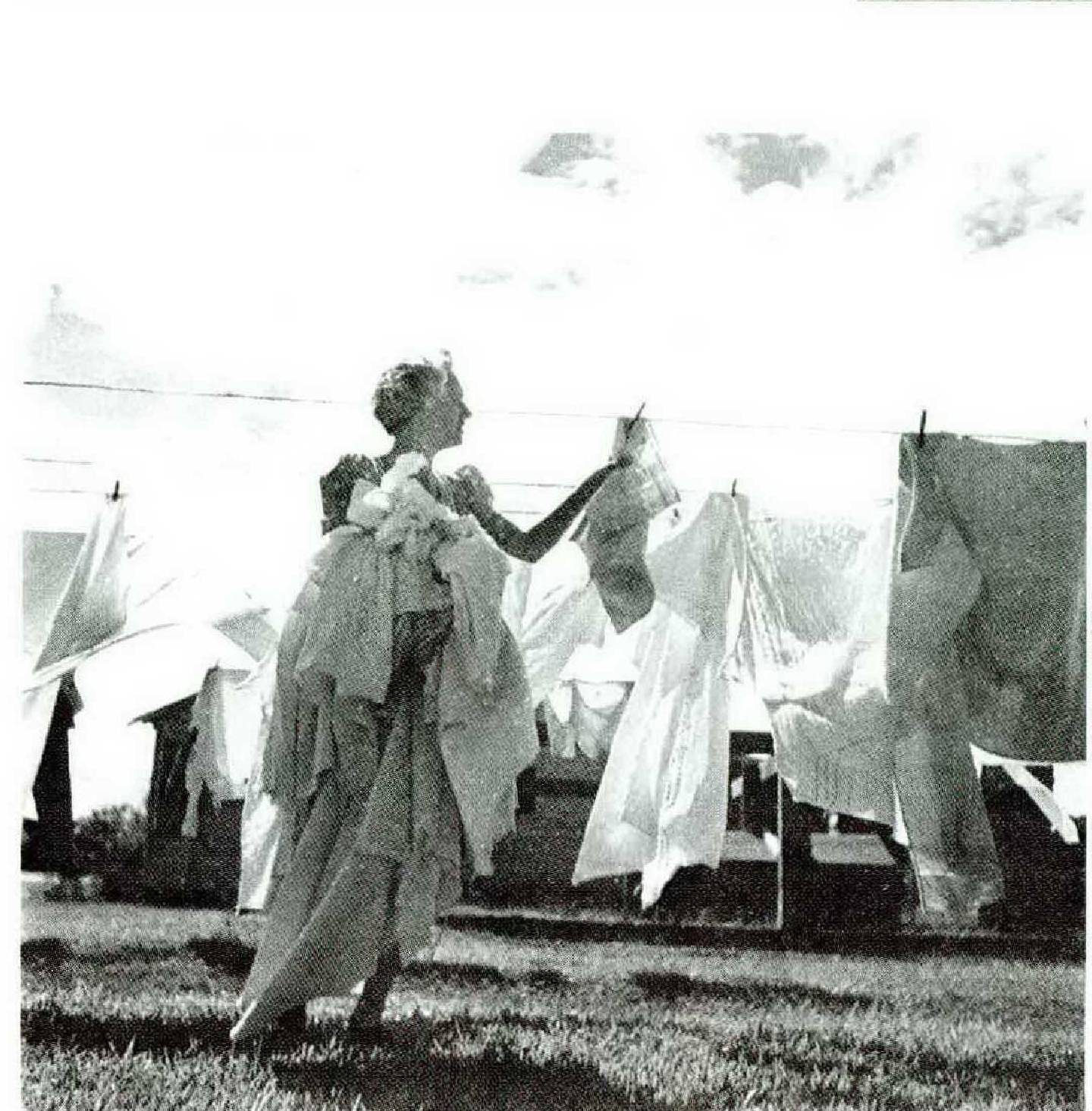
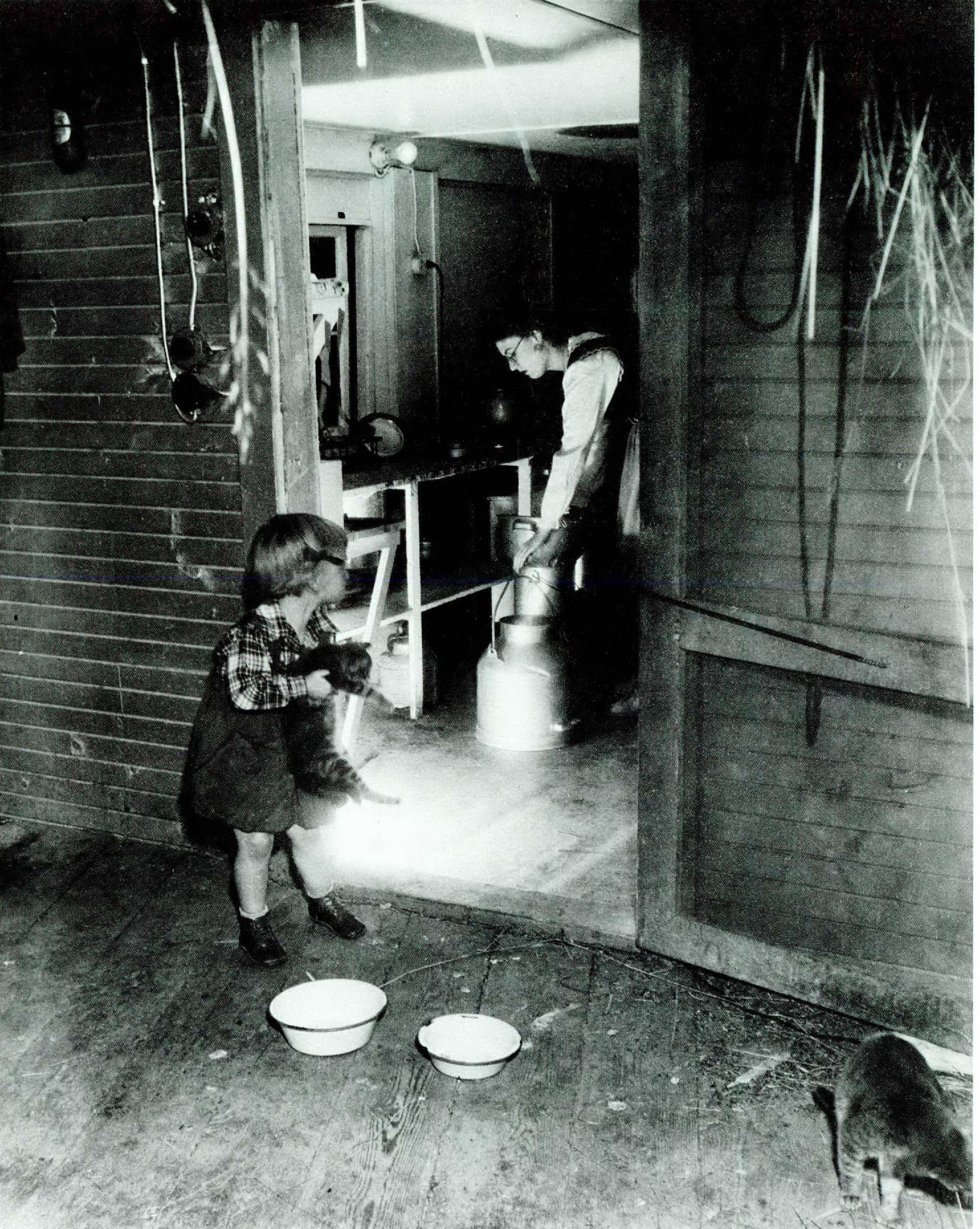
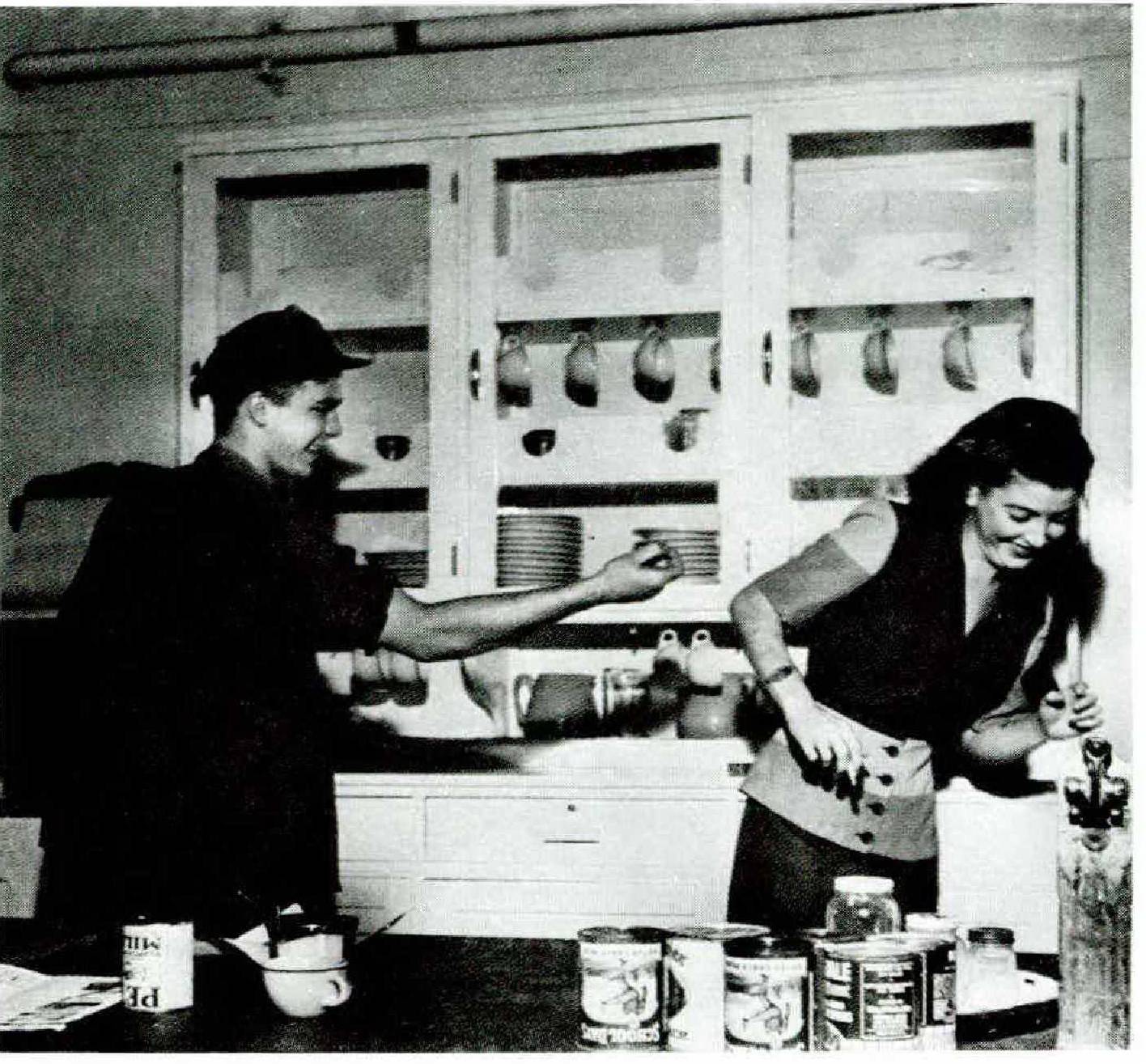
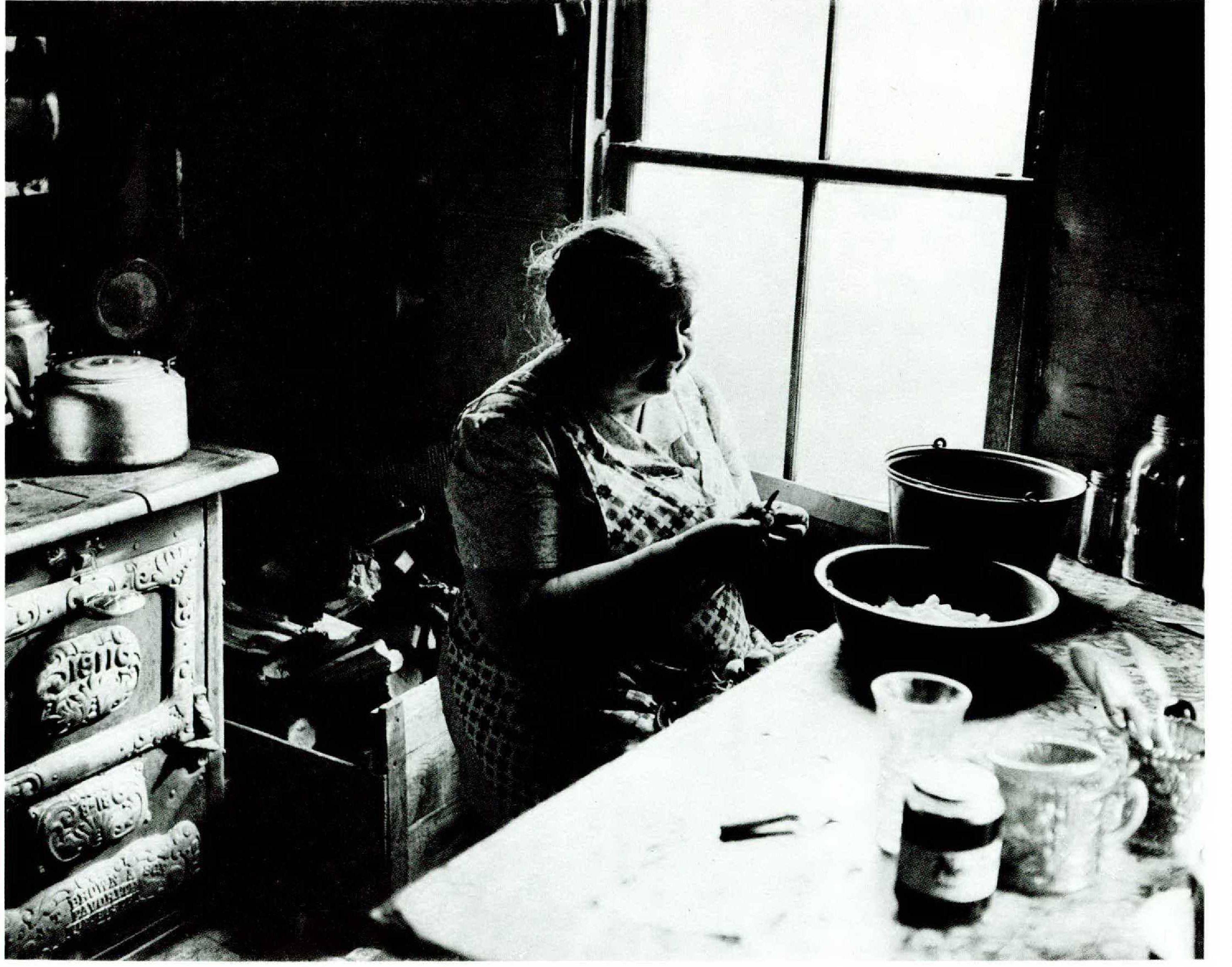
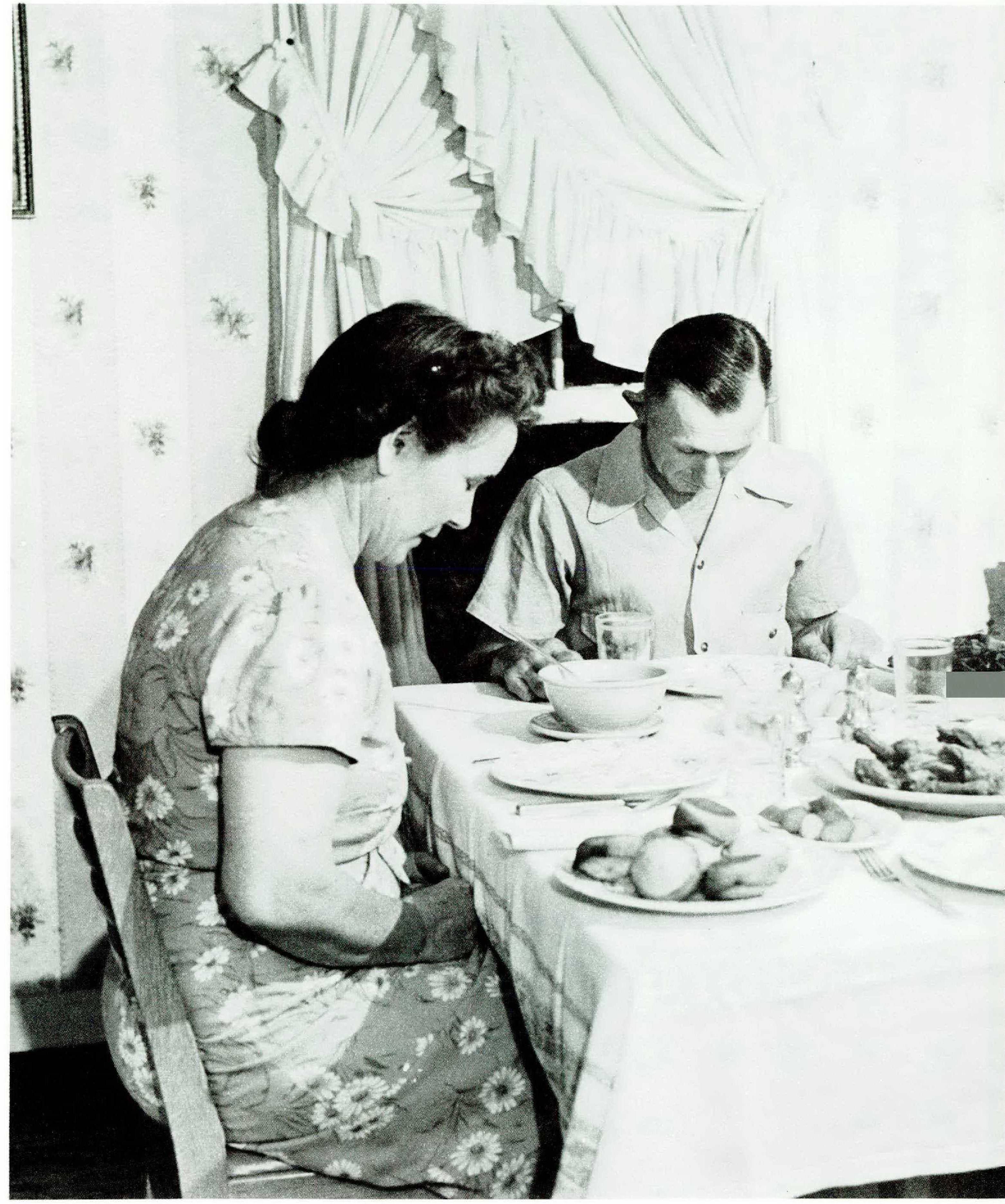
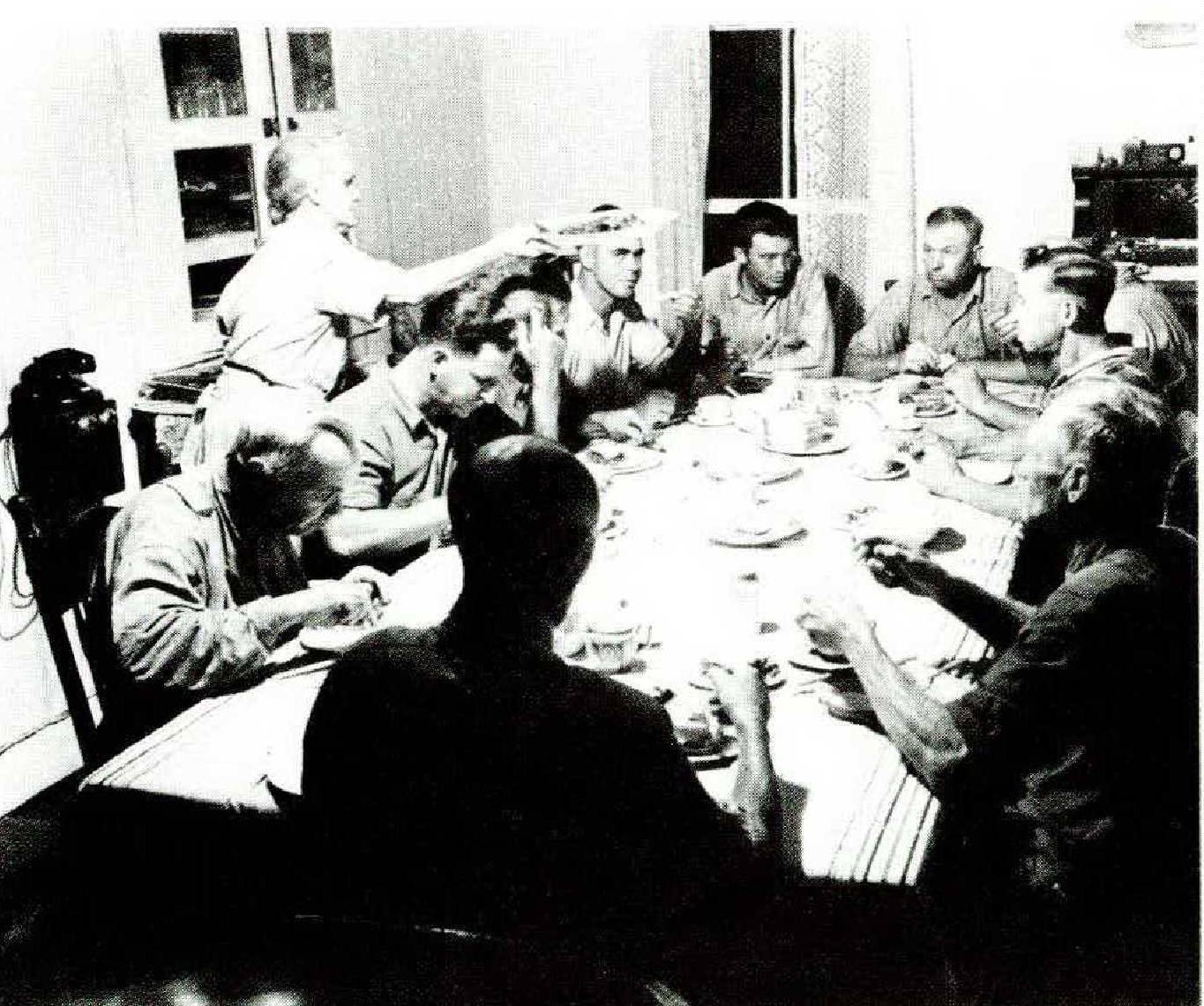
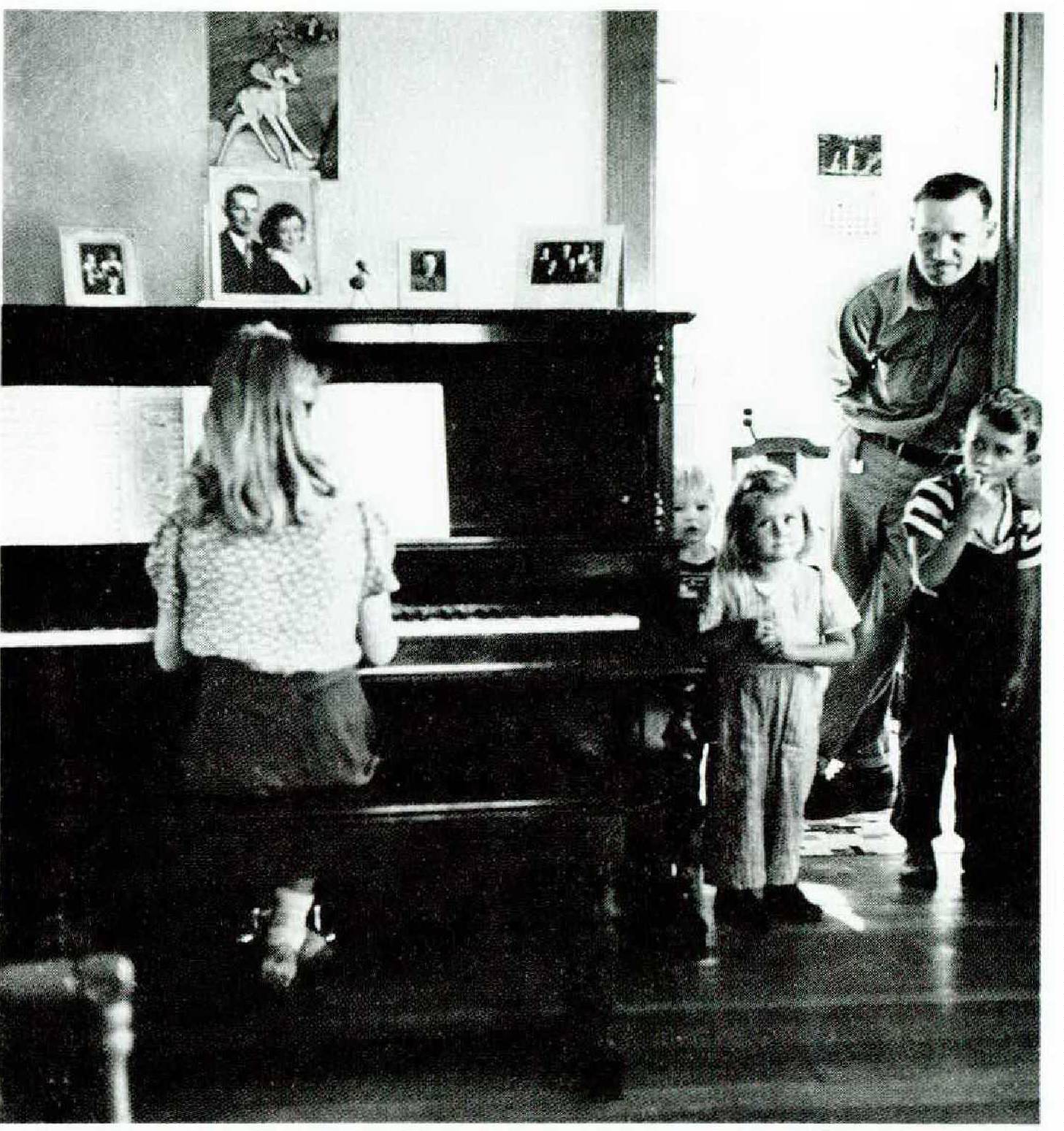
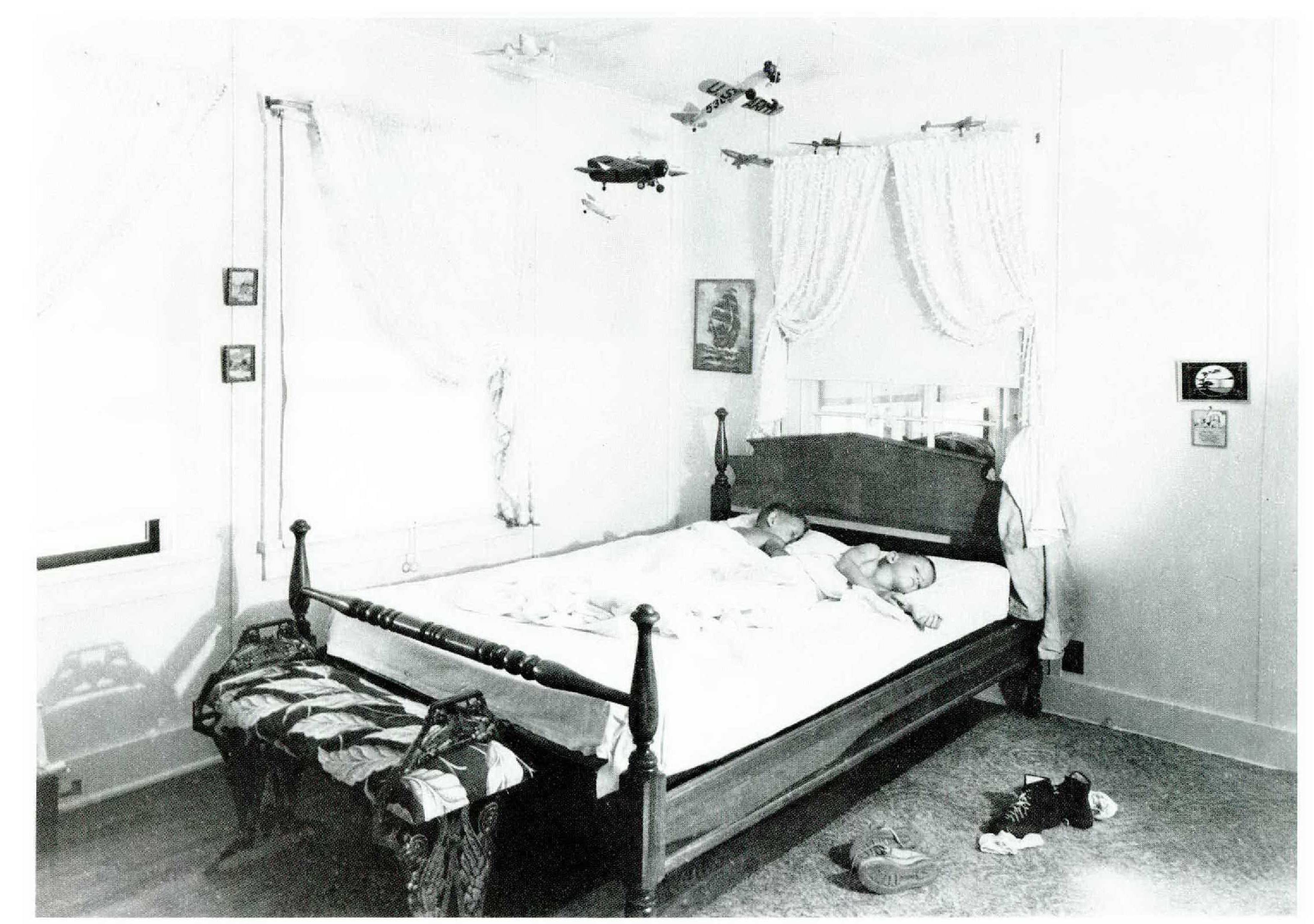
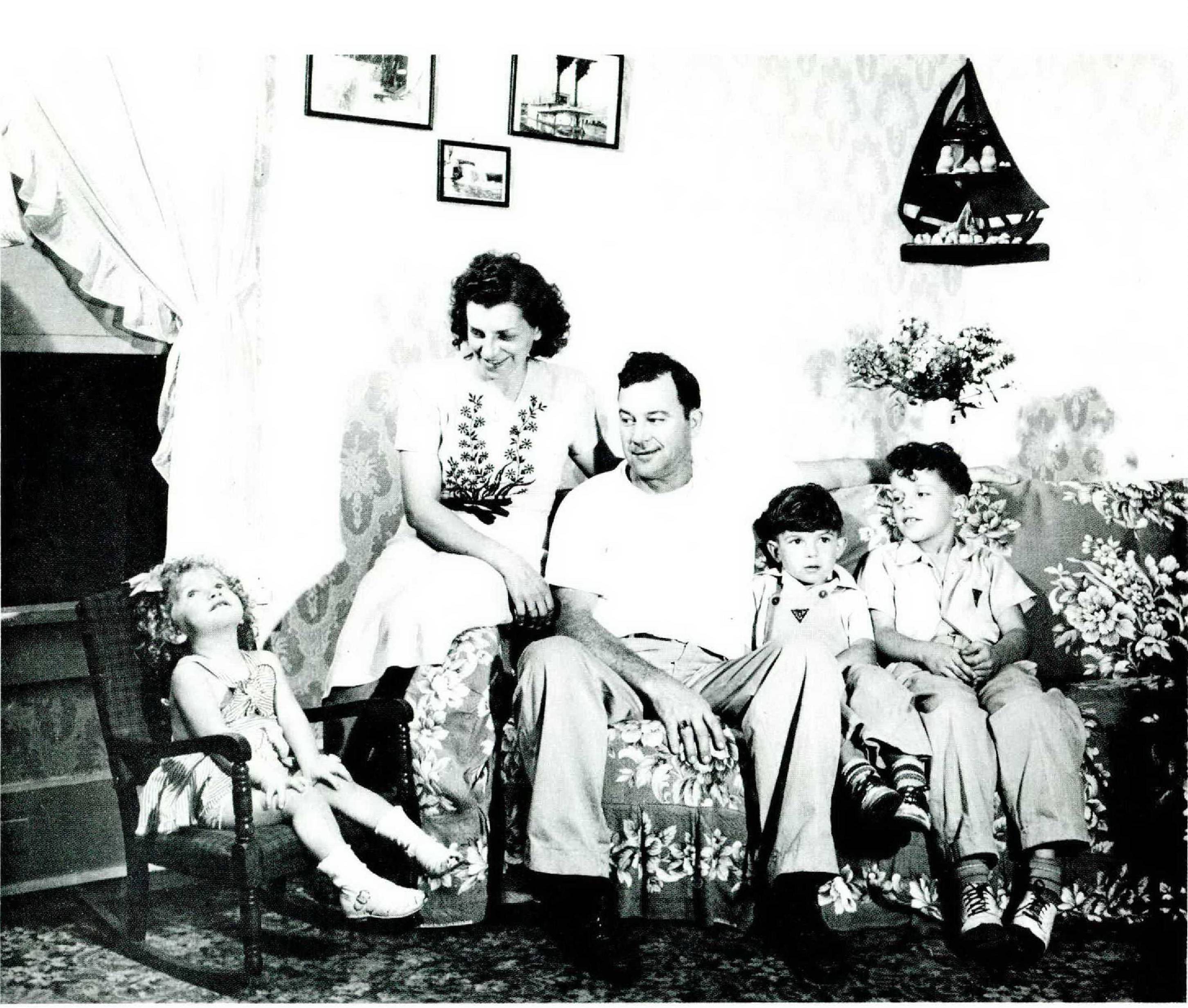
The Standard Oil of New Jersey Collection now resides in the University of Louisville’s Photographic Archives, and contains 85,000 photographs, from which the selection on the following pages has been drawn. The collection stands as perhaps the best portrayal of the middle and late 1940s in existence in any medium. The photographs show, first of all, the global operations of the world’s largest company, with special emphasis on industrial plants. In fulfilling just that one purpose, they depict the loneliest reaches of the Rocky Mountains, placid towns in the South and Midwest, Rockefeller Center in New York City and many examples of what was then high technology. There are pictures of Americans working in colonial splendor in Saudi Arabia, Venezuela, and other oil-producing countries which precisely convey the emotional background of OPEC’s economic policies. And then there are photographs whose relation to Standard Oil is tangential in the extreme: street scenes of Paris and Rome and New York and Cushing, Oklahoma; riverboats on the Ohio and the Mississippi; New England fishermen, Texas cowboys, southern plantation workers, midwestern farmers; people in their living rooms, in the town café, and at their work. The only obvious bias in the collection is one toward photographs of people at the middle of the economic spectrum and below.
The photographers who took the pictures—a long list that includes Esther Bubley, Russell Lee, Harold Corsini, Edwin and Louise Rosskam, Gordon Parks, Tood Webb, John Vachon, John Collier, Jr., Berenice Abbott, Sol Libsohn, Charlotte Brooks, and Elliott Erwitt—all worked for Stryker as freelancers, and most of their assignments had some connection to a Standard Oil inhouse publication. But there was flexi-bility. A story for the Standard magazine, The Lamp, could be about users of the company’s products (that is, anybody) or the environs of a company plant, and, in addition, Stryker was able to send photographers returning from abroad to shoot a roll or two at the New York docks, a favorite subject of his. Photographs from the project were made available to text-book publishers and to commercial magazines whose interests were far broader than the company’s; once, a man writing about cloud formations who asked Standard Oil for help with illustrations was quickly provided with everything he needed from the incidental work of the Stryker project.
Quite often photographs convey to people looking at them years later a message that is different from what was intended at the time, but the Standard Oil pictures remain interesting for exactly the reasons that, as far as can be determined, they interested Stryker in the first place. They show a nation resolutely going about its business, living in the broad area between want and luxury, its roots still in the soil and the hamlet but by now enormously mighty as well. “Stryker was interested in the little details of American life,” says Sally Forbes, who was his assistant during the best years of the Standard Oil project and now runs a small theater in Brooklyn. “He had white, flowing, curly hair and talked a mile a minute and was very vital and rigorous. He talked so fast. He always tried to tell the photographers what to do. He was a harsh critic. He was rigid. He hardly approved of anything, but he loved America. He loved it passionately, like an immigrant. As far as a born American who loved his country, I’ve never found anybody so profoundly devoted.”
LOOKING AT THE PICTURES IN THE STANDARD OIL COLlection today, it is impossible to escape the feeling that a lesson must be contained in them. The moment they capture most vividly, immediately after World War II, is still easily within our collective memory, and it stands out as a watershed, the end of a long bad time and the beginning of a time of great confidence, prosperity, and change. The social and economic revolutions of the period make a familiar litany—affluence, the baby boom, the suburbs; the end of the war, the onward march of science, the rise to dominance of large organizations— but that doesn’t make them any less significant. In 1946, the median income in the United States was under $2,800, only 8,000 households had television sets, and 12.5 percent of people of college age went to college. The commercial airlines flew 12 million passengers a year, as against 300 million today. Nearly a fifth of the population still lived on farms. The national consumer debt was less than a fortieth of what it is today. The ordinary life of Americans was just at the edge of a complete making over.
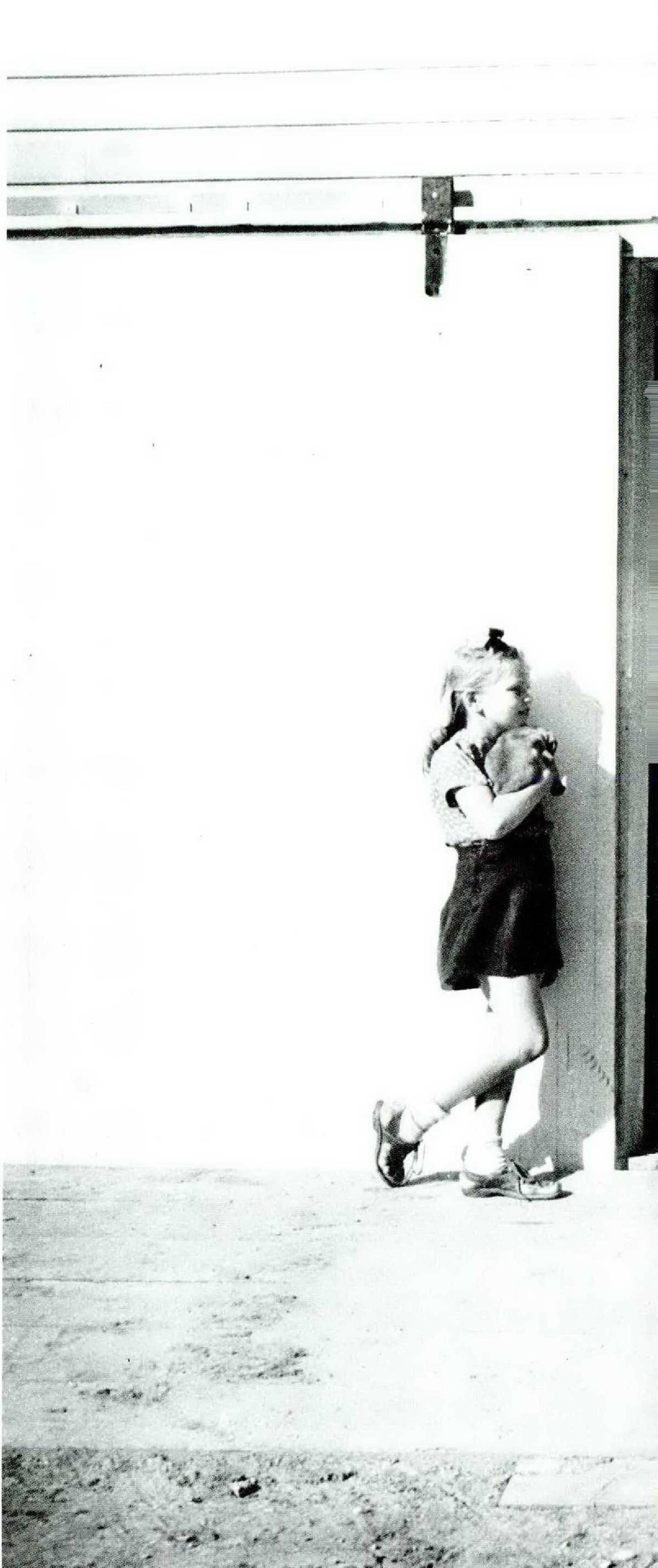
One can certainly see some of the evidence in these pictures: the kitchens barren of appliances, the kids without shoes. But there is an emotional richness to the pictures that is greater than a simple document of economic and social change would produce. They exert a complicated pull on us: they at once tap a reservoir of deep feelings about their time and create a curiosity about whether those feelings are consistent with the real life the pictures show so plainly.
Most Americans who were alive then, and especially those who are members of the opinion-making class, tend to regard the late forties as a peak moment in American history, a time of greater national power and nobility of purpose than now, and a time that, in the realm of everyday life, was better for being simpler. This view has been passed on to the generation that wasn’t alive then, through books and movies, through millions of conversations at the dinner table, through bosses reminiscing to their young employees. It is possible when seeing these pictures to experience a deep feeling that the forties were the good old days. Look at the soldier returned to his home town, or the family spending an evening in repose in the living room. There seems to have been a glue holding people together and making large national accomplishments possible.
On the other hand, look at the faces. They are faces you don’t see much anymore, the urban ones immigrant-beefy, the rural ones sharecropper-worn, and even their moments of pleasure and repose seem to have come at a higher price than we are used to paying today. So a second possible reaction to the pictures is to wonder whether the passing of that time deserves to be the occasion for lament that it generally is today.
Wondering which response was the right one, and wanting in any case to establish a closer and more satisfactory connection with the pictures and so between their time and our time, I began to retrace the steps of the photographers who took them. Thirty-five years later, I followed Esther Bubley (who was not yet twenty-five when she took the photographs, and had just worked up to full photographer’s status from an assistant’s job in Stryker’s lab at the FSA) to Tomball and Andrews, Texas, and to Linden. New Jersey. I followed Russell Lee (a former painter who had hung up his brushes and taken up photography, and had also worked on the FSA project) to the border agricultural area at the southern tip of Texas. I followed the husband-and-wife team of Ed and Louise Rosskam to Baton Rouge, Louisiana, one of the stops on their long journey for the Standard Oil project down the Ohio and Mississippi rivers.
Some of these places were the remotest outposts of American life when the pictures were taken, oil-drilling towns in the middle of nowhere, and some of them are still remote today. Nonetheless, as I began to track down the people in the pictures—cowboys and engineers and oilmen—I found that their lives had changed dramatically in almost every case. The pictures are skewed somewhat toward the oil-producing areas of the country, which have changed faster than other places, but even outside oil country the people in the pictures, or their children, were far more prosperous than they had been thirty-five years before. Many had gone to college, or had sent their children. Quite often they thought, as a general proposition, that American life had gone downhill since those days, but their own lives had always gotten better.
As they told the stories of their lives, something besides simple material betterment emerged strongly— the phenomenon popularly decried as the breakdown of authority. Like the nation’s newspaper columnists and politicians, the people in the pictures often complained that institutions are no longer accorded respect; that people are impatient and self-indulgent these days; that figures of authority—Presidents, professors, clergymen, and the like—have lost much of their sway. But that was just an idea; much more immediately, the breakdown of authority meant changes in the way power was exerted over the people themselves, and there is hardly anything that matters more than that.
Rather than diminishing, which it never really does, authority had taken different forms for the people in the pictures. They had generally moved in a direction Max Weber described seventy-five years ago, from life under traditional forms of authority to life under rational ones. In the forties, they had lived under the dominion of the standards of a town, or of an all-powerful boss, or of a parent, or of their local church. In the intervening years the power of these people and institutions had severely declined, and in their place large national organizations, operating strictly according to elaborate rules, had become more important. Instead of the town, there was a suburb whose merchants, architects, and employers were all huge national concerns. Instead of the boss, there was a corporation, or a federally funded university. These big institutions functioned less according to personal whim and more according to broad principles. So big institutions, with their rational forms of authority, meant more personal freedom, not less, as is commonly thought; they meant the freedom that comes from not being under the rule of one person any longer.
One of the stories I heard was about a cowboy who was cuckolded by the rancher he worked for, but didn’t dare leave his job. One was about a civil-rights rally in Louisiana that never took place, because in 1947 in rural Louisiana the people in charge didn’t want segregation questioned and so it wasn’t. One was about a farm worker who had spent forty years working for a kindly, gift-bestowing boss, but who nonetheless was pushing his children to find jobs with the telephone company or the government, because he felt it wasn’t good to be under one man for so long. All these stories had in common that the people in them were personally subjugated in ways that they felt would be impossible today To me they stood as proof that for many people, the changes after the end of World War II were a release from some kind of trap, and so a redemption of their dreams.
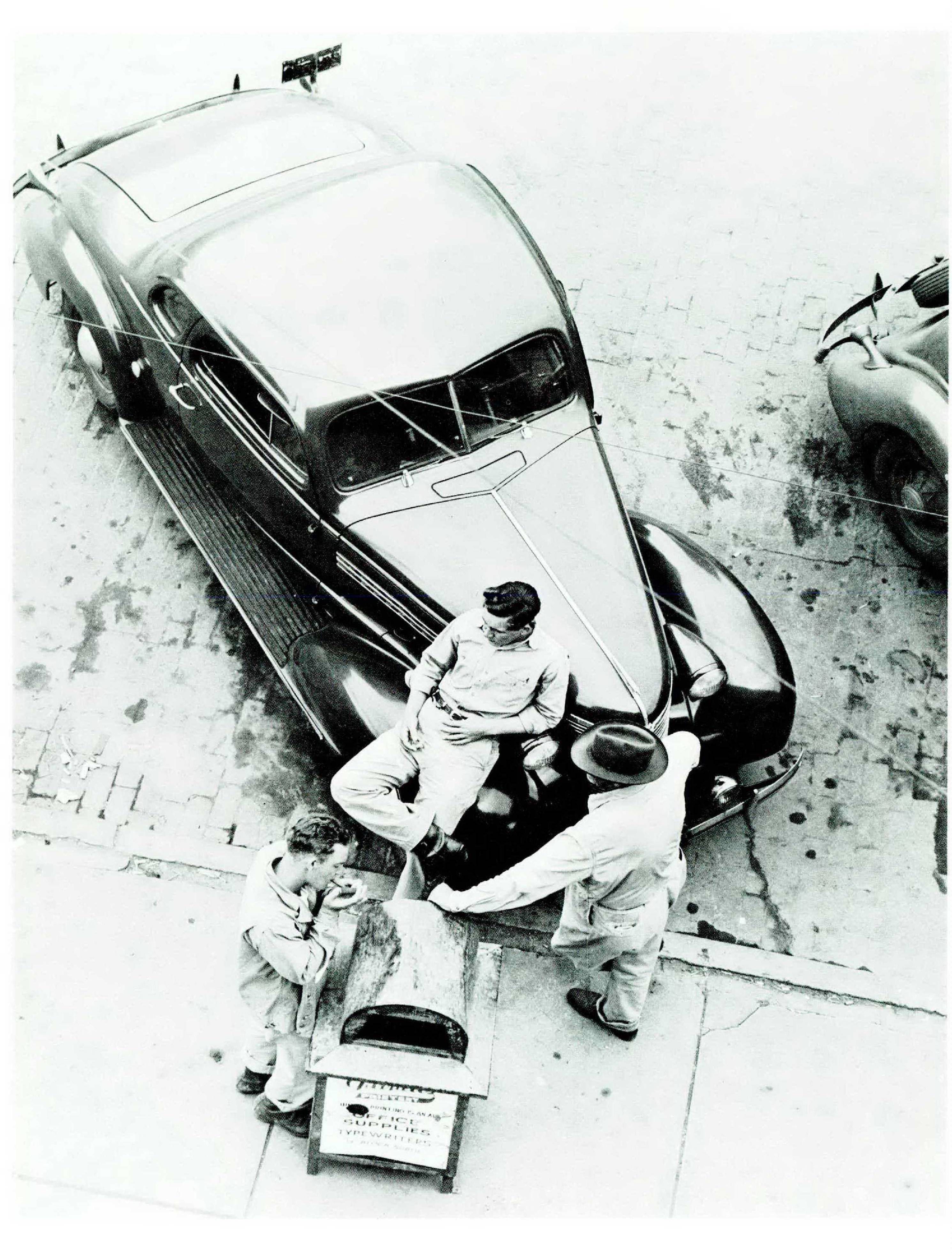
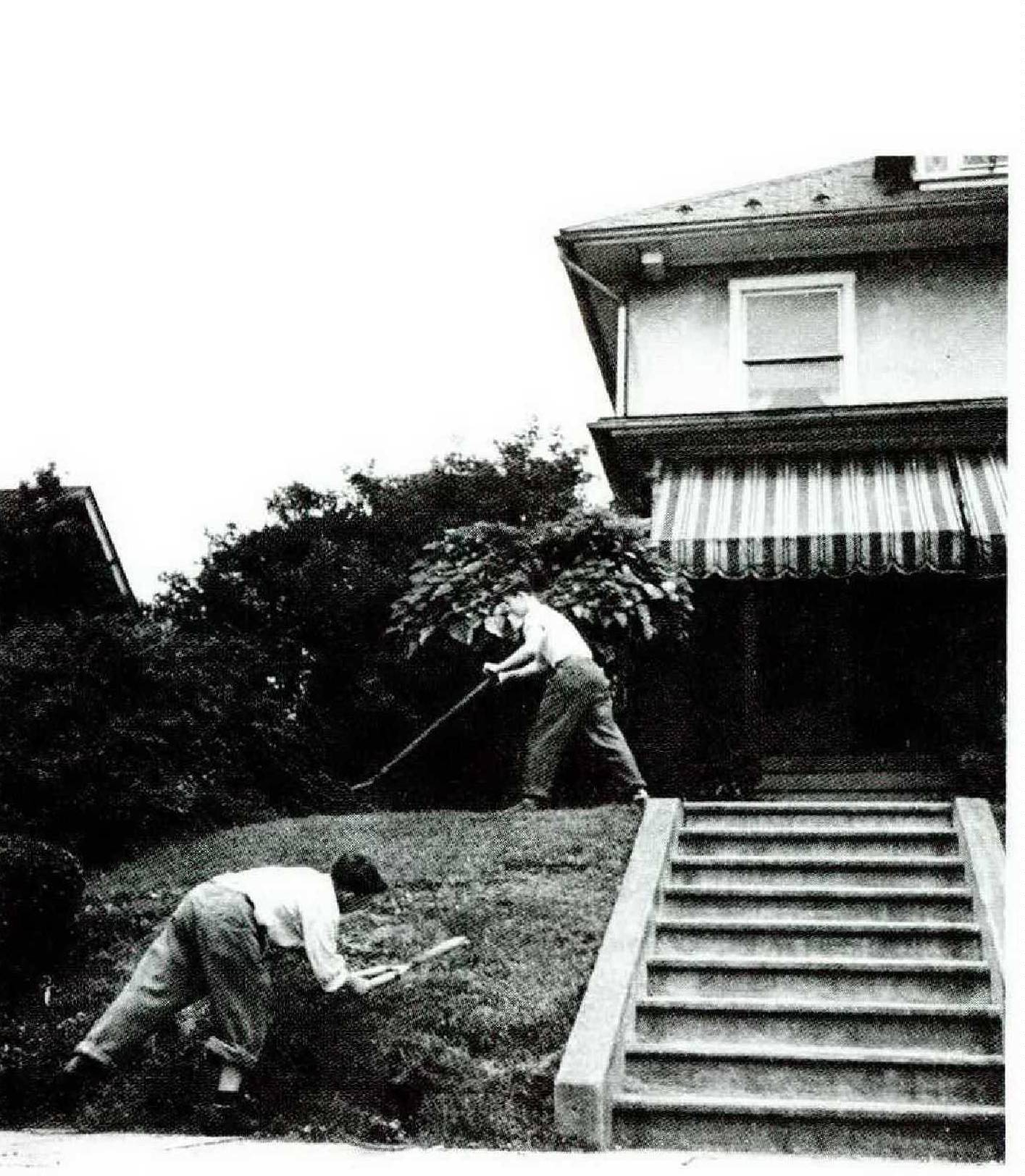
I don’t present these people’s experiences as evidence that nostalgia for the forties is misplaced. Such things are impossible to prove or disprove, and anyway, two seemingly opposing views of the meaning of these pictures are actually consistent with each other. What we sentimentally think of as changes for the worse since the forties and what the people I talked to experienced as changes for the better are in fact exactly the same changes. As Americans grew materially better off and personally freer, the old bonds of family and community grew weaker, and from that sprang an infinity of consequences that touched everyone. The pictures show nothing very important: boys mowing a lawn, girls sitting on a counter in a general store, three men standing in front of a car. But they have the power to suggest the finality with which the life of the nation changed in a generation, ◻
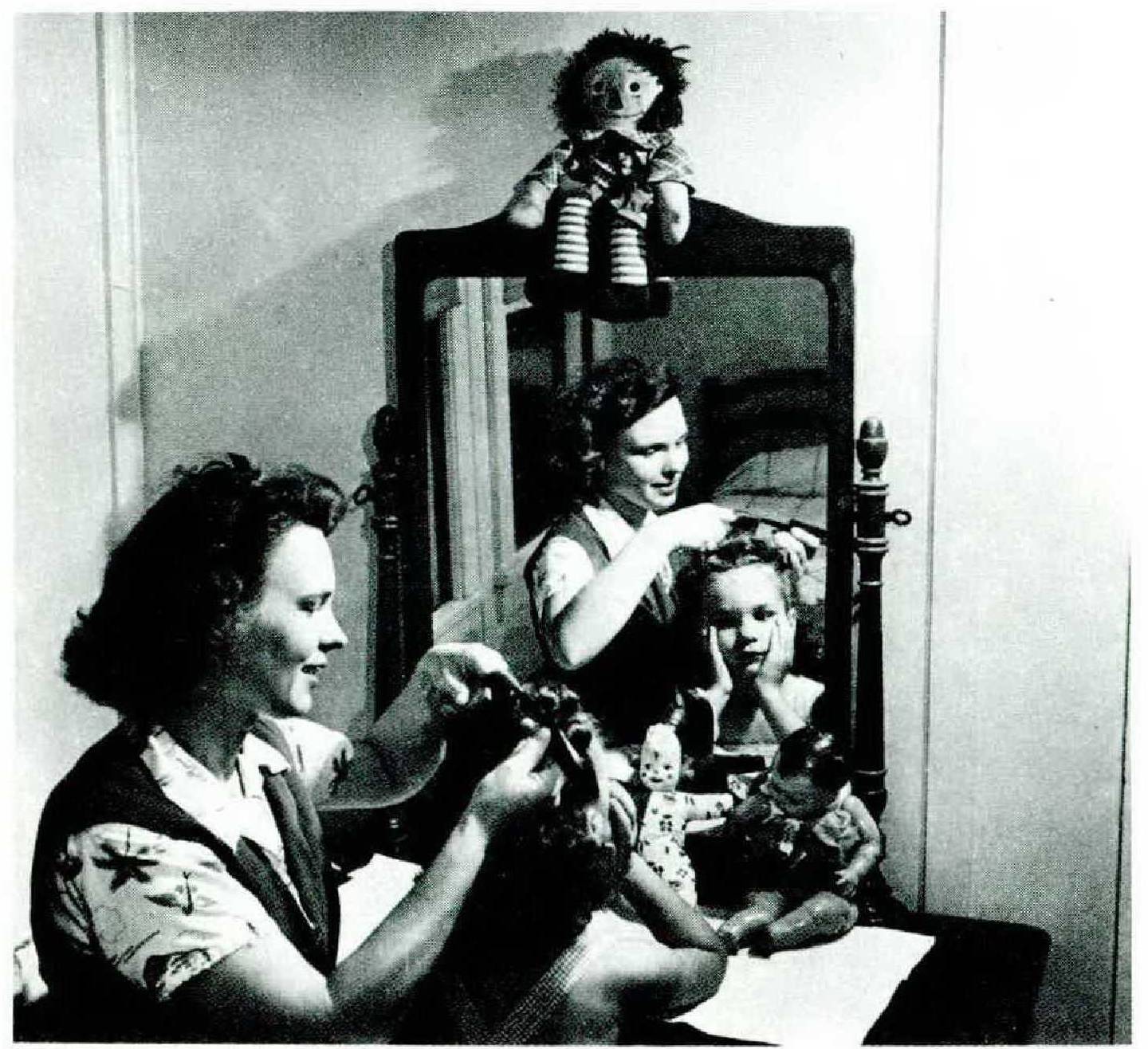
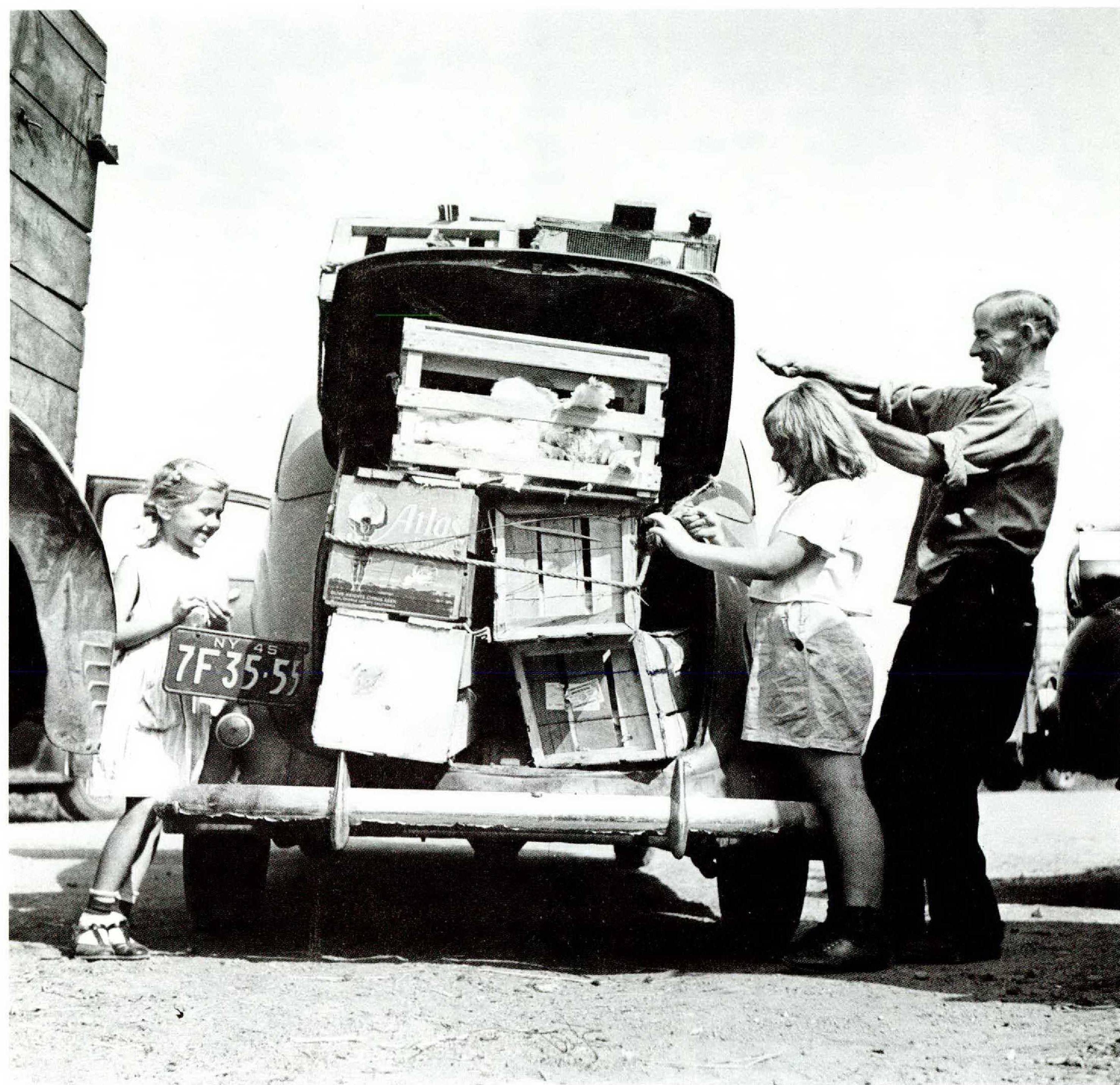
ALL PHOTOGRAPHS COURTESY OF STANDARD OIL OF NEW JERSEY COLLECTION. UNIVERSITY OF LOUISVILLE PHOTOGRAPHIC ARCHIVES