Pax
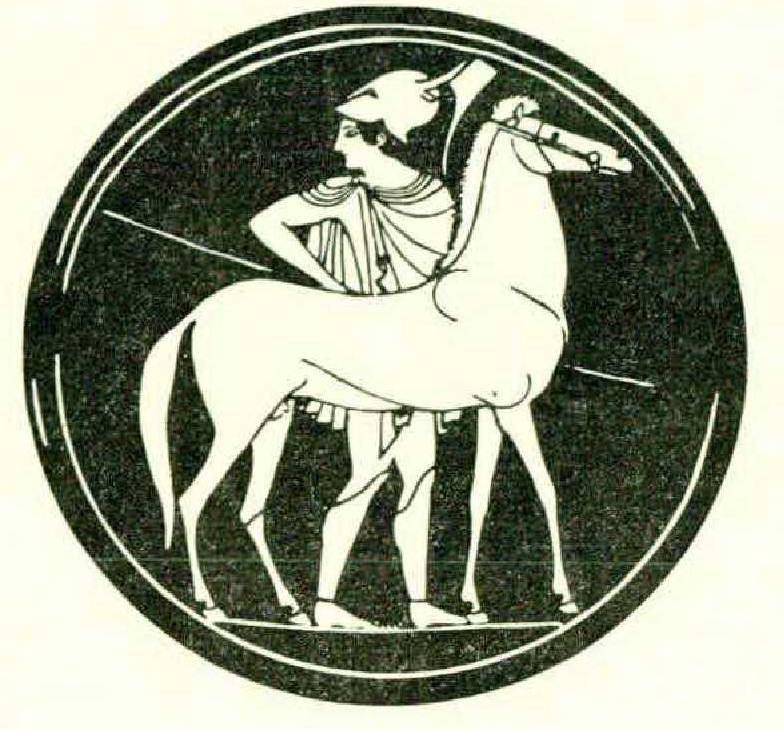
RAT
pearl,
onion,
honey:
these colors came before the sun
lifted above the ocean
bringing light
alike to mortals and immortals.
pearl,
onion,
honey:
these colors came before the sun
lifted above the ocean
bringing light
alike to mortals and immortals.
And through this falling brightness
through the by now
mosque,
eucalyptus,
utter blue,
came Thetis,
gliding across the azimuth,
with armor the color of moonlight laid on Her forearms,
palms upturned toward the sun,
hovering above the fleet,
Her skyish face toward her son,
through the by now
mosque,
eucalyptus,
utter blue,
came Thetis,
gliding across the azimuth,
with armor the color of moonlight laid on Her forearms,
palms upturned toward the sun,
hovering above the fleet,
Her skyish face toward her son,
Achilles,
gripping the body of Patroklos naked and dead against his own,
weeping terribly,
while Thetis spoke:
“Son . . .”
The soldiers looking on;
looking away from it; remembering their own:
“Grieving will not change what Heaven has done.
Suppose you throw your hale after Patroklos’ soul,
Who besides Troy will be the gainers?
See what I’ve brought.”
gripping the body of Patroklos naked and dead against his own,
weeping terribly,
while Thetis spoke:
“Son . . .”
The soldiers looking on;
looking away from it; remembering their own:
“Grieving will not change what Heaven has done.
Suppose you throw your hale after Patroklos’ soul,
Who besides Troy will be the gainers?
See what I’ve brought.”
And as she laid the moonlit armor on the sand
it chimed;
and the sounds that came from it,
followed the light that came from it,
like sighing,
saying,
Made In Heaven.
it chimed;
and the sounds that came from it,
followed the light that came from it,
like sighing,
saying,
Made In Heaven.
And those who had the neck to watch Achilles weep
could not look now. Nobody looked. They were afraid.
could not look now. Nobody looked. They were afraid.
Except Achilles. Looked,
lifted a piece of it between his hands; turned it;
tested the weight of it; then,
spun the holy tungsten like a star between his knees,
slitting his eyes against the flare, some said,
but others thought the hatred shuttered by his lids,
made him protect the metal.
lifted a piece of it between his hands; turned it;
tested the weight of it; then,
spun the holy tungsten like a star between his knees,
slitting his eyes against the flare, some said,
but others thought the hatred shuttered by his lids,
made him protect the metal.
His eyes like furnace doors ajar.
When he had got its weight
and let its industry console his grief a bit,
“I’ll fight”
he said. Simple as that. “I’ll light.”
and let its industry console his grief a bit,
“I’ll fight”
he said. Simple as that. “I’ll light.”
And so Troy fell.
“But while I fight what will become of this” —
Patroklos — “Mother?
“Inside an hour a thousand slimy things will burrow.
And if the fight drags on his flesh will swarm like water boiling.”
And She:
“Son, while you fight
Nothing shall taint him,
Sun will not touch him,
Nor the slimy things.”
Patroklos — “Mother?
“Inside an hour a thousand slimy things will burrow.
And if the fight drags on his flesh will swarm like water boiling.”
And She:
“Son, while you fight
Nothing shall taint him,
Sun will not touch him,
Nor the slimy things.”
Promising this she slid
rare ickors in the seven born openings of Patroklos’ head,
making his carrion radiant.
And her Achilles went to make amends,
walking alone beside the broken lace that hung
over the sea’s green fist.
rare ickors in the seven born openings of Patroklos’ head,
making his carrion radiant.
And her Achilles went to make amends,
walking alone beside the broken lace that hung
over the sea’s green fist.
The sea that is always counting.
Ever since men began in time, time and
Time again they met in parliaments,
Where, in due turn, letting the next man speak,
With mouthfuls of soft air they tried to stop
Themselves from ravening their talking throats;
Hoping enunciated airs would fall
With verisimilitude in different minds,
And bring some concord to those minds, soft air
Between the hatred dying animals
Monotonously bear toward themselves,
Only soft air to underwrite the in-
Built violence of being and meld it to
Something more civil, rarer than true forgiveness.
No work was lovelier in history;
And nothing failed so often: knowing this
The Army came to hear Achilles say:
“Pax, Agamemnon.” And Agamemnon’s “Pax.”
Time again they met in parliaments,
Where, in due turn, letting the next man speak,
With mouthfuls of soft air they tried to stop
Themselves from ravening their talking throats;
Hoping enunciated airs would fall
With verisimilitude in different minds,
And bring some concord to those minds, soft air
Between the hatred dying animals
Monotonously bear toward themselves,
Only soft air to underwrite the in-
Built violence of being and meld it to
Something more civil, rarer than true forgiveness.
No work was lovelier in history;
And nothing failed so often: knowing this
The Army came to hear Achilles say:
“Pax, Agamemnon.” And Agamemnon’s “Pax.”
Now I must ask you to concede reality,
to be a momentary bird above those men
and to watch their filings gather round
the rumor of a conference until
magnetic grapevines bind them close.
From a low angle the Army looks oval, whitish centered,
split at one end, prized slightly open, and,
opposite to the opening, Achilles
(whom they had come to hear) with hard-faced veterans
on either side, lance-butts struck down,
and here and there a flag. Even the chariot mechanics,
cooks, priests, helmsmen, heralds, and whores came up
to hear the Lords say pax.
to be a momentary bird above those men
and to watch their filings gather round
the rumor of a conference until
magnetic grapevines bind them close.
From a low angle the Army looks oval, whitish centered,
split at one end, prized slightly open, and,
opposite to the opening, Achilles
(whom they had come to hear) with hard-faced veterans
on either side, lance-butts struck down,
and here and there a flag. Even the chariot mechanics,
cooks, priests, helmsmen, heralds, and whores came up
to hear the Lords say pax.
And as men will, they came, the limping Kings;
Odysseus first, chatting to Diomede, into the ring,
sitting them down; and after them, a trifle slow
but coming all the same, doomed Agamemnon,
King of Kings, his elbow gummed with blood,
walking as if he’d got five legs,
and sitting — rather wearily — beside Odysseus.
Odysseus first, chatting to Diomede, into the ring,
sitting them down; and after them, a trifle slow
but coming all the same, doomed Agamemnon,
King of Kings, his elbow gummed with blood,
walking as if he’d got five legs,
and sitting — rather wearily — beside Odysseus.
The ring is shut. Enormous quiet.
King Agamemnon and Achilles face each other
as different as polygon and circle.
King Agamemnon and Achilles face each other
as different as polygon and circle.
Somebody coughs.
ACHILLES: “King,
I have been a fool.
The arid bliss self-righteousness provokes
addled my heart.”
Odysseus nods.
I have been a fool.
The arid bliss self-righteousness provokes
addled my heart.”
Odysseus nods.
“Remembering how I took her City,
and how its women offered me their bodies,
like simple creatures looking for a passage to the sea,
it would have been much better for us both
if Artemis had pinned her to the gates.
And as their mouths filled up with dust
doubtless the Greeks who died for our black amnesty
remembered me re-creating my exalted grudge each morning.
Yet I’m a man; I like my own.
And if another man — my King, what’s more —
takes what is mine and lets the Army know it,
what are they both to do?
Kings can admit so little.
Kings know, what damages their principality endangers everyone.
If he is inconsiderate,
he is the King; if greedy, greedy King;
aoi! . . . if at noon the King says: It is night,
behold, the stars!
What if he damages the man on whom his principality depends?
He’s still the King. His war goes on. The man must give.
But if the man in question cannot give
because the god in him that makes the King his chief dependent
is part and parcel of the god that cries revenge when he is wronged —
what happens then?
Stamp on my foot, my heart is stunned;
I cannot help it; it is stunned; it rankles —
here,” touching his chest.
“I am not angry anymore.
My heart is broken. Done is done, it says.
And yet the pain can only mask my rancor.
So let pride serve.
When all is said and done — I am Achilles.”
and how its women offered me their bodies,
like simple creatures looking for a passage to the sea,
it would have been much better for us both
if Artemis had pinned her to the gates.
And as their mouths filled up with dust
doubtless the Greeks who died for our black amnesty
remembered me re-creating my exalted grudge each morning.
Yet I’m a man; I like my own.
And if another man — my King, what’s more —
takes what is mine and lets the Army know it,
what are they both to do?
Kings can admit so little.
Kings know, what damages their principality endangers everyone.
If he is inconsiderate,
he is the King; if greedy, greedy King;
aoi! . . . if at noon the King says: It is night,
behold, the stars!
What if he damages the man on whom his principality depends?
He’s still the King. His war goes on. The man must give.
But if the man in question cannot give
because the god in him that makes the King his chief dependent
is part and parcel of the god that cries revenge when he is wronged —
what happens then?
Stamp on my foot, my heart is stunned;
I cannot help it; it is stunned; it rankles —
here,” touching his chest.
“I am not angry anymore.
My heart is broken. Done is done, it says.
And yet the pain can only mask my rancor.
So let pride serve.
When all is said and done — I am Achilles.”
And the Army love their darling,
and they cry
“Achil! Achil! Achil!”
louder than any counting sea,
and sentries on the eastern walls of Troy
sweat by their spears.
and they cry
“Achil! Achil! Achil!”
louder than any counting sea,
and sentries on the eastern walls of Troy
sweat by their spears.
King Agamemnon waits
And waits
Then,
AGAMEMNON: “Heroes . . .
I do not think your zeal will be injured
if those who arc the furthest off stand still and listen,
and those close to stop muttering among themselves.”
Bad start.
“Everyone can’t hear everything, of course.”
Gulls cry.
“However, even clear-voiced heralds,
accustomed as they are to public speaking,
can lose their audience if inattention makes them feel
they are indifferent to his message.”
Gulls.
“In fact, the things I have to say are, in a sense,
meant for Achilles’ ears alone.
But if the Army and his peers witness our settlement”
his voice gets hard “my purpose will be better served.”
“Like him, I am a man.
But I am also King. His King. Your King.
As such I have received
what most of you have not unwillingly agreed was mine:
the best part of the blame.”
He has them now.
“BUT I AM NOT TO BLAME!”
And now.
“Undoubtedly I took, unfairly, pulling rank,
the girl Achilles won.
I tell you it was not my wish.
Between my thought and action Até fell;
God’s eldest girl, contentious Até! . . . O,
soft are her footsteps but her performance keeps no day;
nor does she walk upon the ground, but drifts
into our human wishes like the sticky flecks of down
touching our lips in endless summertimes;
and with her episodes comes misery.”
I do not think your zeal will be injured
if those who arc the furthest off stand still and listen,
and those close to stop muttering among themselves.”
Bad start.
“Everyone can’t hear everything, of course.”
Gulls cry.
“However, even clear-voiced heralds,
accustomed as they are to public speaking,
can lose their audience if inattention makes them feel
they are indifferent to his message.”
Gulls.
“In fact, the things I have to say are, in a sense,
meant for Achilles’ ears alone.
But if the Army and his peers witness our settlement”
his voice gets hard “my purpose will be better served.”
“Like him, I am a man.
But I am also King. His King. Your King.
As such I have received
what most of you have not unwillingly agreed was mine:
the best part of the blame.”
He has them now.
“BUT I AM NOT TO BLAME!”
And now.
“Undoubtedly I took, unfairly, pulling rank,
the girl Achilles won.
I tell you it was not my wish.
Between my thought and action Até fell;
God’s eldest girl, contentious Até! . . . O,
soft are her footsteps but her performance keeps no day;
nor does she walk upon the ground, but drifts
into our human wishes like the sticky flecks of down
touching our lips in endless summertimes;
and with her episodes comes misery.”
“Let me remind you how God walked
across the courtyards of the sun and told his smiling cabinet:
Rejoice with me,
For unto men this day a child is born
Whose blood is royal with my eminence,
And who, all in good time, will be
A King called Hercules.
And Hera, looking at her fingers, said
We have been taken in before.
Still, if You swear that any child of Yours
Who will be born today . . .”
God swore — and Até sat between his eyes.
No sooner was the oath beyond his mythic lips
than Hera went as quick as that from Heaven to Greece
and with her right hand masked the womb
swaddling Hercules, and with her left
parted the body of another girl whose child was divine,
but only seven months gone, and held it up, and jeered
See what your oath has done!
God made the early boy his King and Hercules a serf,
and wept as men weep.
“If you will lead the Greeks, Achilles,
I will give Briseis back.
And we may be forgiven.”
across the courtyards of the sun and told his smiling cabinet:
Rejoice with me,
For unto men this day a child is born
Whose blood is royal with my eminence,
And who, all in good time, will be
A King called Hercules.
And Hera, looking at her fingers, said
We have been taken in before.
Still, if You swear that any child of Yours
Who will be born today . . .”
God swore — and Até sat between his eyes.
No sooner was the oath beyond his mythic lips
than Hera went as quick as that from Heaven to Greece
and with her right hand masked the womb
swaddling Hercules, and with her left
parted the body of another girl whose child was divine,
but only seven months gone, and held it up, and jeered
See what your oath has done!
God made the early boy his King and Hercules a serf,
and wept as men weep.
“If you will lead the Greeks, Achilles,
I will give Briseis back.
And we may be forgiven.”
The sun is smaller now.
Achilles says: “Let us fight now — at once — ”
“Wait” — slipping the word in like a bolt —
“marvelous boy,” Odysseus says,
“you can do what you like with us except make men fight hungry.
Well . . . you could do that too, but . . .”
turning away from him, toward the moving ranks
“Wait!
The King will keep his promise now.
Young lords will fetch his penal gifts
for everyone to see and be amazed.
Everyone knows that men who get
angry without good reason,
conciliate without free gifts.
Therefore Achilles gladly takes
everything Agamemnon gives.
And he who gives steps free of blame
even as he adopts the wrong.
God bless them both.”
“marvelous boy,” Odysseus says,
“you can do what you like with us except make men fight hungry.
Well . . . you could do that too, but . . .”
turning away from him, toward the moving ranks
“Wait!
The King will keep his promise now.
Young lords will fetch his penal gifts
for everyone to see and be amazed.
Everyone knows that men who get
angry without good reason,
conciliate without free gifts.
Therefore Achilles gladly takes
everything Agamemnon gives.
And he who gives steps free of blame
even as he adopts the wrong.
God bless them both.”
And squatting by Achilles says:
“Boy — you are the best of us. Your strength is fabulous.
But in my way I know some things you don’t.
In any case, I’m old; be patient with me.
“What we have got to do is not embroidery;
for you the battle may be gold,
the men will go through it like needles,
breaking or broken, but either way emerging naked as they went.
Think of the moment when they see the usual loot,
gold, horses, women, tin, is missing from this fight —
although the usual risks are not.
They do not own the swords with which they fight,
nor the ships that brought them here;
orders are handed down in words they barely understand;
frankly, they do not care a whit who fucks soft Helen.
Ithaca’s mine; Pythia yours; but what are they defending?
They love you? Yes. They do. They also loved Patroklos;
and he is dead, they say; bury the dead, they say;
a hundred of us singing angels died for every knock
Patroklos took — so why the fuss? — that’s war, they say,
who came to cat in Troy and not to prove how much
dear friends are missed.
“Certainly, they are fools.
But they are right. Fools often are. Bury the dead,
and I will help you pitch Troy in the sea.”
“Boy — you are the best of us. Your strength is fabulous.
But in my way I know some things you don’t.
In any case, I’m old; be patient with me.
“What we have got to do is not embroidery;
for you the battle may be gold,
the men will go through it like needles,
breaking or broken, but either way emerging naked as they went.
Think of the moment when they see the usual loot,
gold, horses, women, tin, is missing from this fight —
although the usual risks are not.
They do not own the swords with which they fight,
nor the ships that brought them here;
orders are handed down in words they barely understand;
frankly, they do not care a whit who fucks soft Helen.
Ithaca’s mine; Pythia yours; but what are they defending?
They love you? Yes. They do. They also loved Patroklos;
and he is dead, they say; bury the dead, they say;
a hundred of us singing angels died for every knock
Patroklos took — so why the fuss? — that’s war, they say,
who came to cat in Troy and not to prove how much
dear friends are missed.
“Certainly, they are fools.
But they are right. Fools often are. Bury the dead,
and I will help you pitch Troy in the sea.”
Cobalt in heaven,
and below it
polar blue;
the body of the air is lapis, and
where it falls
behind the soft horizon,
the light turns back to Heaven.
and below it
polar blue;
the body of the air is lapis, and
where it falls
behind the soft horizon,
the light turns back to Heaven.
A soldier pisses by a chariot;
another
sweetens his ax blade on a soapy stone,
and up between the dunes
with ribbons, tambourines, and little drums,
come twelve white horses led by seven women,
Briseis in their midst,
her breasts so lovely that they envy one another;
and they pass by . . .
and after them young lords escorting
twenty ewers of bright silver, each in a polished trivet,
their shining cheeks engraved by silversmiths
with files of long-nosed soldiers on the march;
and they pass by . . .
and after them a sledge
piled with twelve lots of Asian gold,
carefully weighed, worth a small city;
and they pass by . . .
and last of all, Talbythius, Chief Herald of Greece,
guarding a sacred hog,
passed by into the center of the ring.
another
sweetens his ax blade on a soapy stone,
and up between the dunes
with ribbons, tambourines, and little drums,
come twelve white horses led by seven women,
Briseis in their midst,
her breasts so lovely that they envy one another;
and they pass by . . .
and after them young lords escorting
twenty ewers of bright silver, each in a polished trivet,
their shining cheeks engraved by silversmiths
with files of long-nosed soldiers on the march;
and they pass by . . .
and after them a sledge
piled with twelve lots of Asian gold,
carefully weighed, worth a small city;
and they pass by . . .
and last of all, Talbythius, Chief Herald of Greece,
guarding a sacred hog,
passed by into the center of the ring.
Yellow mist over Ida.
The hog lowers its gilded tusks.
Is still.
The hog lowers its gilded tusks.
Is still.
By Agamemnon’s feet Talbythius sprinkles barley,
snips a tuft from the hog’s nape,
waits until a breeze nudges it off his palm
into the fire that burns between the Army and its King.
snips a tuft from the hog’s nape,
waits until a breeze nudges it off his palm
into the fire that burns between the Army and its King.
Haze covers Ida.
Sand falls down sand.
Even the gods are listless.
Sand falls down sand.
Even the gods are listless.
And Agamemnon spreads his arms,
raises his face toward the zenith, cries:
raises his face toward the zenith, cries:
“GOD
be my witness,
EARTH
my witness,
SUN, SKY, WATER, WIND,
be my witness.
I have not fucked
or fondled
or in any way
tampered with her
I took unjustly from Achilles.”
be my witness,
EARTH
my witness,
SUN, SKY, WATER, WIND,
be my witness.
I have not fucked
or fondled
or in any way
tampered with her
I took unjustly from Achilles.”
And drags his knife across the hog’s silk throat.
Mists over Ida.
Slaves throw the dead hog in the sea.
The Army like a thousand yellow stones.
Slaves throw the dead hog in the sea.
The Army like a thousand yellow stones.
Achilles says:
“So be it. Eat and prepare to fight.”
“So be it. Eat and prepare to fight.”
And took Briseis to his ship.
Under the curve the keel makes
where it sweeps upward to the colored beak,
Achilles’ troops had spread their oars along the sand
and laid six thwarts across them.
Upon this table they had stretched their winter fleeces,
amid whose stirring naps Patroklos lay,
the damaged statue of a Prince awaiting transportation.
Near it Achilles sat, Odysseus beside,
and women brought them food.
“Patroklos liked to eat,” Achilles said,
“and you cooked well. Patroklos, didn’t you?
Particularly well that summer when
the Royal cuckold, crown in hand, came visiting from Argos
saying wife and theft and war and please and
what is this eat of yours, Odysseus?
Say you were telling me: He’s dead, you’re father; well . . .
I might eat a bit, troubled, it’s true, but
eat like any fool who came God knows how many mist
and danger mixed sea miles to salvage Helen.
Oh, I know you, Odysseus. You reckon
Achilles will light better if he’s fed.
Don’t be so sure.
Everyone knows you tried to dodge King Agamemnon’s fatal draft.
I do not care about his gifts. I do not care, Odysseus,
can’t you see it? — do not care!
Patroklos was my life’s sole love;
the only living thing that called love out of me.
At night I used to dream of how, when he came home to Greece,
he’d tell them how I died — for I must die — and showed my son
this house, for instance, or that stone beside the stream,
my long green meadows stretching out into the light,
so clear it seems to magnify. . .
where it sweeps upward to the colored beak,
Achilles’ troops had spread their oars along the sand
and laid six thwarts across them.
Upon this table they had stretched their winter fleeces,
amid whose stirring naps Patroklos lay,
the damaged statue of a Prince awaiting transportation.
Near it Achilles sat, Odysseus beside,
and women brought them food.
“Patroklos liked to eat,” Achilles said,
“and you cooked well. Patroklos, didn’t you?
Particularly well that summer when
the Royal cuckold, crown in hand, came visiting from Argos
saying wife and theft and war and please and
what is this eat of yours, Odysseus?
Say you were telling me: He’s dead, you’re father; well . . .
I might eat a bit, troubled, it’s true, but
eat like any fool who came God knows how many mist
and danger mixed sea miles to salvage Helen.
Oh, I know you, Odysseus. You reckon
Achilles will light better if he’s fed.
Don’t be so sure.
Everyone knows you tried to dodge King Agamemnon’s fatal draft.
I do not care about his gifts. I do not care, Odysseus,
can’t you see it? — do not care!
Patroklos was my life’s sole love;
the only living thing that called love out of me.
At night I used to dream of how, when he came home to Greece,
he’d tell them how I died — for I must die — and showed my son
this house, for instance, or that stone beside the stream,
my long green meadows stretching out into the light,
so clear it seems to magnify. . .
And here Achilles falls asleep beside his dead,
Odysseus goes off as close to tears
as he will ever be,
and,
at a window of the closed stone capital,
Helen wipes the sweat from under her big breasts.
Aoi! . . . she is beautiful.
Odysseus goes off as close to tears
as he will ever be,
and,
at a window of the closed stone capital,
Helen wipes the sweat from under her big breasts.
Aoi! . . . she is beautiful.
But there is something obscene about her, too.
Achilles wakes.
Those who have slept with sorrow in their hearts
Know all too well how short but sweet
The instant of their coming-to can be;
The heart is strong, as if it never sorrowed,
The mind’s dear clarity intact; and then
The vast, unhappy stone from yesterday
Rolls down these vital units to the bottom of oneself.
Know all too well how short but sweet
The instant of their coming-to can be;
The heart is strong, as if it never sorrowed,
The mind’s dear clarity intact; and then
The vast, unhappy stone from yesterday
Rolls down these vital units to the bottom of oneself.
Achilles saw his armor in that instant,
and its ominous radiance flooded his heart.
Bright pads with toggles crossed behind the knees,
bodice of fitted tungsten, wide, pliable straps;
a shield as round as rich and big as moons in spring;
the sword’s haft parked between sheaves of gray obsidian,
from which a lucid blade ran out, leaf shaped, adorned
with running spirals.
And for his head a welded cortex, yes,
though it is noon the helmet screams against the light,
scratches the eye, so violent it can be seen
across three thousand years.
and its ominous radiance flooded his heart.
Bright pads with toggles crossed behind the knees,
bodice of fitted tungsten, wide, pliable straps;
a shield as round as rich and big as moons in spring;
the sword’s haft parked between sheaves of gray obsidian,
from which a lucid blade ran out, leaf shaped, adorned
with running spirals.
And for his head a welded cortex, yes,
though it is noon the helmet screams against the light,
scratches the eye, so violent it can be seen
across three thousand years.
Achilles stands; stretches; turns on his heel,
punches the sunlight, bends, then—jumps! . . .
and lets the world turn fractionally beneath his feet.
punches the sunlight, bends, then—jumps! . . .
and lets the world turn fractionally beneath his feet.
Noon.
In the foothills melons roll out of their green hidings.
Heat.
In the foothills melons roll out of their green hidings.
Heat.
He walks toward the chariot.
Greece waits.
Greece waits.
Over the wells in Troy mosquitoes hover.
Beside the chariot.
Soothing the perfect horses; watching his driver cinch,
shake out the reins, fold, lay them across the rail;
dapple and white the horses are, perfect they are,
sneezing to clear their cool black muzzles.
Soothing the perfect horses; watching his driver cinch,
shake out the reins, fold, lay them across the rail;
dapple and white the horses are, perfect they are,
sneezing to clear their cool black muzzles.
He mounts.
The chariot’s basket dips. The whip
fires in between the horses’ ears,
and as in dreams or at Cape Kennedy they rise,
slowly it seems, their chests like royals, yet,
behind them in a double plume the sand curls up
a yellow canopy,
is barely dented by their flying hooves
and wheels that barely touch the world,
and the wind slams shut behind them.
fires in between the horses’ ears,
and as in dreams or at Cape Kennedy they rise,
slowly it seems, their chests like royals, yet,
behind them in a double plume the sand curls up
a yellow canopy,
is barely dented by their flying hooves
and wheels that barely touch the world,
and the wind slams shut behind them.
“Fast as you are,” Achilles says,
“when twilight makes the armistice,
take care you don’t leave me behind
as you left my Patroklos.”
“when twilight makes the armistice,
take care you don’t leave me behind
as you left my Patroklos.”
And as he ran the white horse turned its tall face back
and said:
and said:
“Prince,
This time we will, this time we must, but this time cannot last.
And when we leave you not for dead, but dead,
God will not call us negligent as you have done.”
This time we will, this time we must, but this time cannot last.
And when we leave you not for dead, but dead,
God will not call us negligent as you have done.”
And Achilles, shaken, says:
“I know I will not make old bones.”
“I know I will not make old bones.”
And lays his scourge along their racing flanks.
Someone has left a spear stuck in the sand.