The Threat From Trump’s Supporters Has Evolved
Their words are hot, but coordination is lacking.
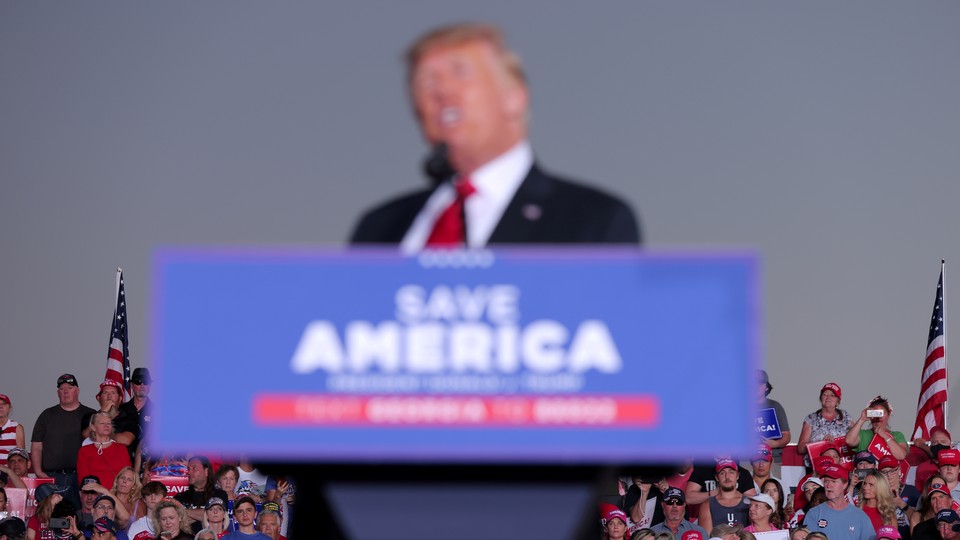
Donald Trump’s arraignment today at a federal courthouse in Miami will mark a new phase in the incitement campaigns that Trump has waged for most of his political career. Since his indictment on charges related to the unlawful retention and storage of classified documents at his Florida resort, Trump and his allies have attacked the prosecutor, his wife, the Justice Department, President Joe Biden, and Hillary Clinton, among others. The language they are using is filled with words of war, elevating concerns among terrorism experts and security planners that Trump’s supporters pose the same threat of violence that they did before the January 6, 2021, insurrection at the Capitol.
Yet although the threat has not disappeared, it has evolved. Highly organized violence like the January 6 riot now appears less likely. The urgent question is what dangerous individuals might do on their own and whether authorities are prepared to stop them.
Incitement to violence is not an on/off switch, and the mere use of words doesn’t necessarily lead to violence. Ideally, political leaders of any persuasion would avoid belligerent language, because they should know its potential consequences. But worrying about whether the base is emboldened is not the correct metric; the thing to watch is whether the number of supporters who are inclined to violence is growing.
Their words are hot, but coordination appears to be lacking. Law-enforcement monitoring of websites and potential planning in Florida is not pointing to any specific or credible threat. The atmosphere is obviously intense, but Trump does not have the resources he once had. He is no longer in charge of any military or law-enforcement agency that he could call upon to help his cause. And unlike on January 6, when Trump declined to mobilize a government response to the riot, his disinclination to step in against violence won’t prevent anyone else from taking action. Florida Governor Ron DeSantis, who is running against Trump for the 2024 Republican presidential-candidate nomination, has been hesitant to overtly challenge his rival, but he is unlikely to conspire to help Trump if violence breaks out during court proceedings in the coming weeks.
January 6 happened at a specific place and time: at the Capitol, just as Trump’s loss was being certified for good—a one-time event that his supporters felt highly motivated to disrupt. Although the former president’s arraignment is a highly public occasion, and supporters have been organizing some public protests, criminal cases have a way of dragging on. Yesterday afternoon, doubts persisted even over whether Trump would have local counsel to represent him. The justice system’s slow pace reduces the incentive to disrupt any day’s proceedings. No one moment is decisive, especially in this early phase.
Another difference from January 6 is that Trump’s supporters now have reason to understand that getting swept up in the moment has legal consequences. Trump has vowed to pardon rioters if he were to become president again. But so far, such promises haven’t been worth much. Hundreds of his supporters have been indicted, and many have been sent to jail. Numerous January 6 defendants have asserted their belief that the government—specifically Trump—condoned their efforts. Some have expressed outrage, disappointment, and a sense of betrayal. A violent movement cannot succeed without soldiers.
Even if the level of discontent among Trump’s supporters hasn’t changed, people generally need leadership to turn to coordinated violence. Trump is unruly and angry, but he also seems quite isolated. The major groups that helped organize January 6, including the Proud Boys and Oath Keepers, have lost much of their potency; their leaders are in jail, and they’ve turned against one another.
People can talk tough, but that won’t translate into violence without organization and a focused commitment. I’m not dismissing the importance of the people cosplaying as militants; I’m merely suggesting that the pool of Americans willing to go to real war for Trump has likely shrunk.
The most worrisome possibility now is not an insurrection, revolution, or riot, but an act of violence by an individual. Incitement doesn’t have to involve a specific plan to direct named individuals to commit a specific act of terrorism. By stirring up rage and paranoia among his followers, Trump and others may be emboldening some to act violently. Trump supporters are allowed to protest, and their safety must also be protected. Authorities must be on the alert for anyone with the means and desire to try to alter the course of events through deadly force.
Fortunately, the January 6 prosecutions have been a powerful response to Trump’s greatest achievement: making violence a natural extension of political differences. But the persistence of violent rhetoric is a reminder that anything could still happen.