-
![]()
nathanmac87/Flickr It Really Might 'Get Better' for LGBT Teens
A new study lends support to the idea that bullying and depression decrease over time.
-
![]()
Sait Serkan Gurbuz/Reuters Why Didn't Ebola Kill Me?
Like the majority of patients taken to Western hospitals, I recovered from the disease—but health authorities are still struggling to figure out how to bring up the much-lower survival rate in West Africa.
-
-
![]()
Lauren Giordano / The Atlantic The Food Babe: Enemy of Chemicals
How one woman mobilized an army against food additives, GMOs, and all else not "natural"
-
![]()
bioraven/Shutterstock Fighting the Anti-Vax Movement With Lawsuits
Could litigation accomplish what facts haven't been able to?
-
![]()
Becky Stern/Flickr The Infuriating Lottery of Healthcare Prices
Even within a single state, the cost of an MRI might vary by hundreds of dollars.
-
![]()
Zoyalipets/Shutterstock The Internal Bowl
In terms of food consumption, the Super Bowl marks the unhealthiest day of the year.
-
![]()
Lauren Giordano/The Atlantic Americans Believe in Science, Just Not Its Findings
What's behind the "debate" over issues like climate change and vaccination? Can evidence change people's minds?
-
-
![]()
Doximity What Doctors Make
Variations in salary are drastic and opaque.
-
![]()
Evan Blaser/Flickr 'How Do You Quantify Panic?'
The public response to an outbreak often far outweighs the actual threat. In a new paper, researchers say they've created a formula to measure disease-induced hysteria.
-
![]()
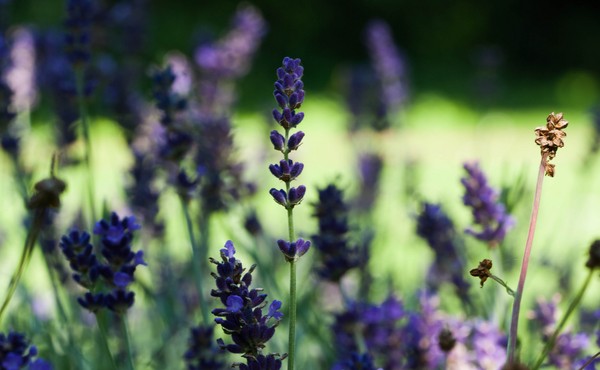
Tatiana Vdb/Flickr The Allergens in Natural Beauty Products
Chamomile and lavender, common ingredients in cosmetics and many other household items, sometimes cause people to develop allergies after repeated exposure. The European Union is considering a warning label for just that reason.
-
![]()
gst/Shutterstock Body Weight, Clash of Ideologies
Doctors understand obesity as a social disease, even if most other people don't.
-
![]()
Lucas Jackson / Reuters Essential Oils Might Be the New Antibiotics
Faced with increasingly drug-resistant bacteria, scientists and farmers are now looking to plant extracts to keep people and animals healthy.
-
-
![]()
aaron Gilson/Flickr How Nurses Can Help Low-Income Mothers and Kids
The Nurse Family Partnership coaches poor first-time moms on parenting and life skills from pregnancy through the toddler years.
-
![]()
AP 'Play Freely at Your Own Risk'
A history of adventure playgrounds, which offer children the opportunity for no-rules recreation
-
![]()
Kimery Davis/Flickr Alcohol Poisoning Deaths Are Most Common in Middle-Age
And men are particularly at risk, according to a new CDC report.
-
![]()
Lauren Giordano/The Atlantic Getting Back With Carbs
The original low-carb diet flirts with reason.
-
![]()
gwire/Flickr A New Drug in the Age of Antibiotic Resistance
Authorities warn that overuse of such medications has created a public-health disaster. Now, researchers say they've discovered a compound that could slow the clock on the crisis.
-
-
![]()
stavros karabinas/Flickr/The Atlantic When Home Caregivers Kill the Elderly With Neglect
The lack of regulation for California's in-home support services program, which pays people to look after seniors or the sick, means many patients are left in dangerous situations.
-
![]()
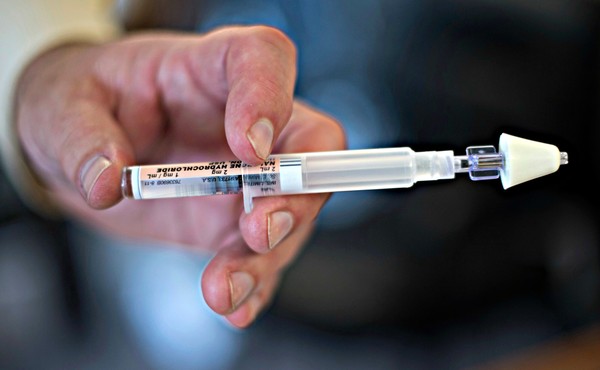
Gretchen Ertl/Reuters The Fight for the Overdose Drug
The campaign to get Naloxone—the substance that can reverse the effects of an otherwise-lethal heroin overdose—into the hands of the police, families, and addicts
-
![]()
Alex Lee / Reuters The Unexpected Home of Unintended Pregnancy
What Delaware, where a surprisingly high number of women get pregnant by accident, can teach the rest of the nation