Editor’s Note: This article previously appeared in a different format as part of The Atlantic’s Notes section, retired in 2021.
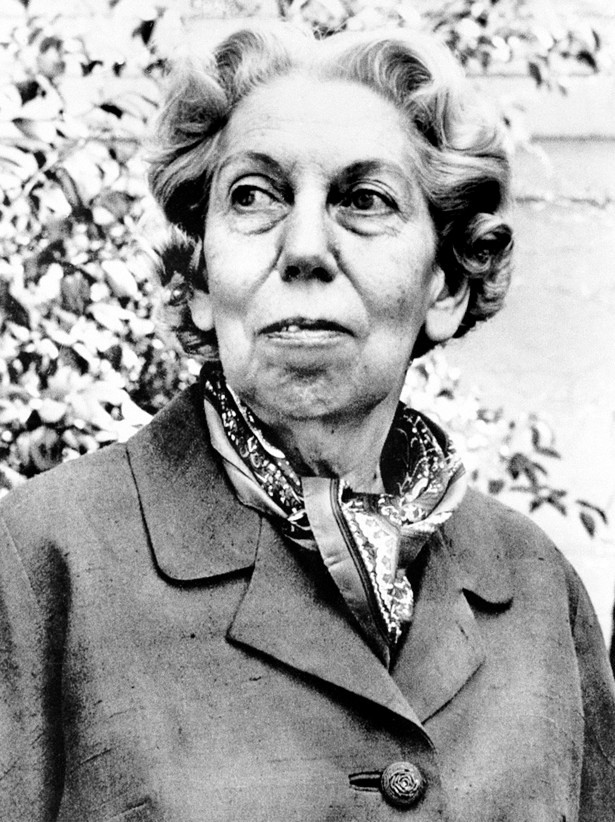
The Pulitzer-winning Southern writer, a master of the short story, would have been 107 years old today. Welty was the author of nearly 20 books, a skilled photographer, and an avid gardener. Humanities magazine has a compelling sketch of her work:
AP
Her three avocations—gardening, current events, and photography—were, like her writing, deeply informed by a desire to secure fragile moments as objects of art. … She appears to see the people in her pictures as objects of affection, not abstract political points. … What Welty seems to say, without quite saying so, is that the best pictures and stories cannot simply reduce the creatures within their spell to specimens. True engagement requires a durable sympathy with the world.
I haven’t read much of Welty’s writing yet, but based on her essay “The Reading and Writing of Short Stories”—published in the February and March 1949 issues of The Atlantic—I have a feeling I should. The complete essay hasn’t been digitized, but you can read an excerpt here. Among her snippets of wisdom:
“Every good story has mystery—not the puzzle kind, but the mystery of allurement.”
“The great stories of the world are the ones that seem new to their readers on and on, always new because they keep their power of revealing something.”
“Beware of tidiness.”
“Beauty comes from form, from development of idea, from after-effect. It often comes from carefulness, lack of confusion, elimination of waste—and yes, those are the rules.”
But don’t follow the rules too closely. To quote Welty again: “Sometimes spontaneity is the most sparkling kind of beauty.” She put those ideas into practice in more than a dozen stories for The Atlantic, but because of copyright, only one of them is digitized thus far: “A Worn Path,” from our February 1941 issue. It’s a short story about an elderly African-American woman who travels down a country road to retrieve medicine for her grandson.