-
![]()
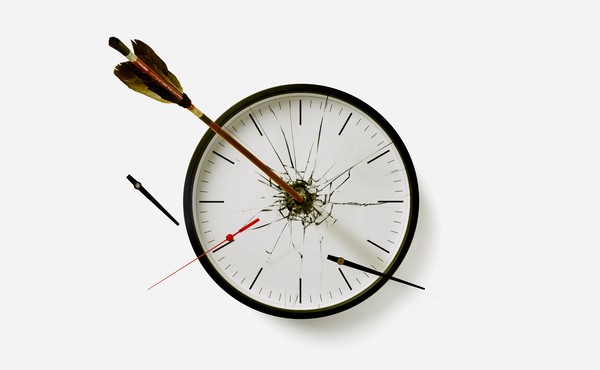
Adam Maida / The Atlantic; Getty Hybrid Work Is Doomed
Office workers work in offices, for better or for worse.
-
![]()
The Atlantic; Getty The Cult Classic That Captures the Grind of Dead-End Jobs
Pop culture tends to romanticize bookstores as workplaces. Imogen Binnie’s Nevada does the opposite.
-
-
![]()
Alec Soth / Magnum Why Americans Are Leaving Downtowns in Droves
The rise of remote work has snipped the tether between home and office, allowing many white-collar workers to move out of high-cost cities.
-
![]()
Katie Martin / The Atlantic; Getty ‘Workcations’ Aren’t an Escape. They’re Practice.
Think of them as an opportunity to break bad work-life-balance habits.
-
![]()
Holly Pilot The Emotion Missing From the Workplace
Sadness is a central part of our lives, yet it’s typically ignored at work, hurting employees and managers alike.
-
![]()
Getty; The Atlantic This Is What Happens When There Are Too Many Meetings
Why a 9-to-10 is the new 9-to-5
-
![]()
Harold M. Lambert / Getty The Myth That Most Americans Hate Their Job
Resignations are rising because people are seeing more job listings, not because they’re feeling more Marxist.
-
-
![]()
Chaimae Studio What the Anti-work Discourse Gets Wrong
Tech companies are offering spiritual care to make employees more productive, and it’s likely a sign of what’s to come in other industries.
-
![]()
Millennium / Gallery Stock Downtown Needs to Change to Survive
If cities want to revive their office districts, they must adapt to the age of hybrid work.
-
![]()
H. Armstrong Roberts / ClassicStock / Getty The Dark Side of Saying Work Is ‘Like a Family’
The analogy is accurate—in many unhealthy, manipulative, and toxic ways.
-
![]()
Alistair Berg / Getty How to Mentor Young Workers in a Remote World
As we approach year three of the pandemic, we need to (finally) change how we train people.
-
![]()
The Atlantic The Future of Work Is a 60-Year Career
Humans may soon live to be 100, which likely means more years on the job. That could be a good thing, if we take the opportunity to redesign work.
-
-
![]()
The Atlantic The Atlantic Daily: Americans Are Reimagining Work
The quitting is just the beginning: The pandemic is transforming our relationships to our jobs.
-
![]()
Getty; Adam Maida / The Atlantic How to Care Less About Work
As we peer around the corner of the pandemic, let’s talk about what we want to do—and not do—with the rest of our lives.
-
![]()
Shutterstock; Alamy; Paul Spella / The Atlantic How Leisure Time Became Work
The rise of the attention economy has accelerated our habit of engaging with our hobbies in a data-driven way.
-
![]()
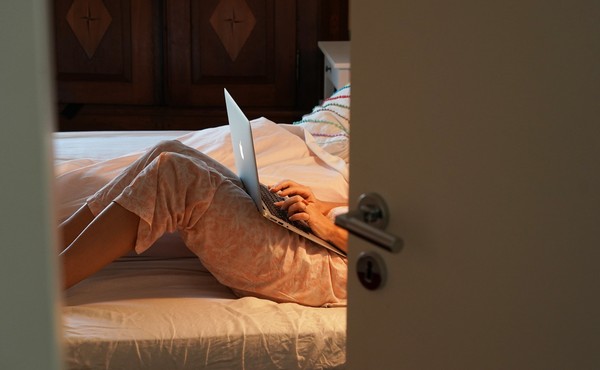
Sean Gallup / Getty Work From Home Works Until You Need Time Off
How do we “take a day to stay home” when we’re already doing everything from home?
-
![]()
Fairfax Media / Getty The Home Is the Future of Travel
The CEO of Airbnb thinks the lines separating life, work, and vacations will keep getting blurrier.
-
-
![]()
Brian Finke / Gallery Stock Loving Your Job Is a Capitalist Trap
Doing work that is fulfilling has become ubiquitous career advice, but no one should depend on a single social institution to define their sense of self.
-
![]()
Eugenio Marongiu / Getty / The Atlantic How to Find the Secret to Meaningful Work
Arthur Brooks and Jenn Lim, the CEO of Delivering Happiness, analyze the barriers to feeling that your work serves a higher purpose.
-
![]()
Getty; Paul Spella / The Atlantic Hot Streaks in Your Career Don’t Happen by Accident
First explore. Then exploit.