-
![]()
Brian Snyder/Reuters 'It Doesn't Matter Where You Go to College': Inspirational, but Wrong
Here's an uplifting college meme that's right: The person you've become by the time you're 18 matters more than any decision by an admissions board you'll never meet.
-
![]()
Alana Semuels Can Business School Save a Company?
A family printing business in eastern Kentucky was struggling after coal's decline. Then the CFO got sent to Babson.
-
-
What the Great Recession Taught Us about Long-Term Unemployment
If you lose your job at the height of an economic downturn, even a college degree doesn't help.
-
![]()
Tony Alter/Flickr Why Is It So Hard to Find Jobs for Disabled Workers?
Disability Insurance is providing a much-needed safety net for 9 million Americans, but basic flaws in the program's structure mean that many never work again.
-
![]()
Alana Semuels The City That Believed in Desegregation
Integration isn't easy, but Louisville, Kentucky, has decided that it's worth it.
-
What Does 27 Weeks of Unemployment Do To A Person?
Though the economy is improving, a third of those still looking for work have been jobless for more than six months.
-
How Federal Workers Pinch Pennies When the Government Shuts Down
Government shutdowns may be all about politics, but they can have very real consequences for federal employees.
-
-
![]()
Michigan Avenue, Chicago/Wikimedia Commons The Feedback Loop That Will Make America's Richest Cities Even Richer
Certain multisyllabic phrases—geographic sorting, economic agglomeration, cumulative advantage—are all fancy ways of saying smart young people move toward jobs and density.
-
![]()
David Spinks/Flickr Stuck With a House That Can't Be Sold
Even though the housing market is improving, some owners with troubled properties won't see relief anytime soon.
-
Manual Labor, All Night Long: The Reality of Paying for College
A UPS program in Louisville gives students free tuition for working the third shift, but at what cost?
-
![]()
Jonathan Ernst/Reuters How Government Workers Pinch Pennies During Shutdowns
A new study tries to figure out how federal employees fared when their income was reduced.
-
![]()
Jonathan Alcorn/Reuters Finding the Right Price for Water
Economists say that the resource is currently too cheap. Will dry conditions finally help give the issue the political clout necessary to charge more?
-
-
![]()
Carlo Allegri/Reuters Partisan Politics and the Inequality Gap
Republicans and Democrats pursue economic policies that satisfy their base voters—and leave their opponents out in the cold.
-
![]()
Lucy Nicholson/Reuters The Economics of California's Drought
What happens when the country's largest state runs low on water?
-
![]()
Anirudh Koul/Flickr What's Behind Obama's Rebounding Approval Rating?
Increasing optimism about their financial futures has led more Americans to view the president in a positive light.
-
![]()
Alana Semuels Manual Labor, All Night Long: The Reality of Paying for College
A UPS program in Louisville gives students free tuition for working the third shift, but at what cost?
-
![]()
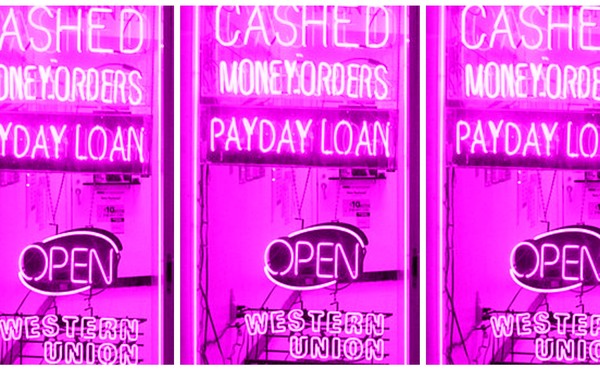
Wikimedia/The Atlantic The Odd Couple Fighting Against Predatory Payday Lending
In South Dakota, a conservative pastor and an openly gay former Obama campaign staffer have teamed up to battle an exploitative industry.
-
-
![]()
TheMuuj/Flickr Staying Close to Home, No Matter What
Fewer than half of Americans say they're likely to relocate, even if they think their town is headed in the wrong direction.
-
![]()
Matt MacGillivray/Flickr What Would Americans Do With a Little Extra Cash?
Practical considerations, like paying off debt and buying groceries, top the list.
-
Why Don't More Americans Move Away From Home?
Fewer than half of Americans say they're likely to relocate, even if they think their town is headed in the wrong direction.