-
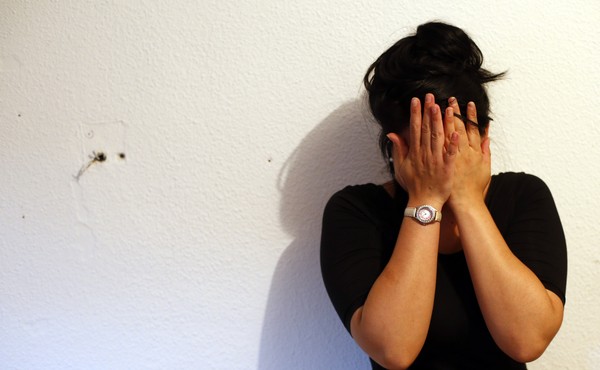
Questioning the Doctor, Challenging a God
Patients want a collaborative relationship with their doctors but fear retribution if they raise too many questions.
-
How the Deaf Brain Rewires Itself to 'Hear' Touch and Sight
The auditory portions of a deaf person's brain can learn to process touch and vision. Mapping these communications may advance the technology of cochlear implants.
-
-
Could a Forgetfulness Drug Someday Help Erase Bad Memories?
A key brain chemical could hold the key to treating anxiety and post-traumatic stress disorder
-
The Average Office Zombie's Quest for Sleep Has Lasted 12 Depressing Years
Although insomnia is readily treatable, a remarkable share of Consumer Reports readers seem to have trouble getting enough shuteye.
-
The First of These Things Is Not Like the Others
When faced with a snap decision, people will reliably pick the first option they're given.
-
Study of the Day: Exercise Might Not Help With Depression, After All
Results of a new randomized controlled trial show that adding a physical activity intervention to usual care does not reduce symptoms of depression.
-
Truth-telling Thumbs: You're More Honest When You're Texting
Even when they're in a rush, people are less likely to tweak the truth when communicating on their mobile devices than when they're having a face-to-face conversation.
-
-
Wait, You *Can* Learn While You Sleep?!
New research in Nature Neuroscience shows that stimulation during sleep can reinforce memories and enhance your skills.
-
Study: Distortion in Rock Music 'Brings Out the Animal in Us'
New research suggests that dissonant rock music arouses listeners because its sound is similar to the ones made by animals in distress.
-
![]()
Susana Vera / Reuters Trickle-Down Distress: How America's Broken Meritocracy Drives Our National Anxiety Epidemic
Anxiety is growing into a peculiarly American phenomenon. How did we become the world's leading exporter of worrywarts?
-
Give Me More Space: A Novel Strategy for Dyslexic Readers
Dyslexic children do a better job of reading when the letters are spaced out, according to new research.
-
Study of the Day: Retail Therapy Works, Even Before the Heartbreak
Shopaholics, rejoice. New research from Northwestern shows that it's possible to proactively curb stress from an expected setback.
-
-
Caught in the Act: When People Peed on Themselves—for Science
What happens to the brain when you relax your bladder? These scientists decided to test just that.
-
How Good Books Can Change You
Ever read a book that's changed your life? You're not imagining it -- the process of digesting a character or a series of events actually turns you into a different person.
-
No Rest for the Haunted: Sleep May Actually Reinforce Bad Memories
Research suggests that sleep might be responsible for intensifying the emotional response to a troubling event.
-
Why Money Can't Buy Happiness: Feeling Respected Matters More
Although theories suggest high-income individuals are generally happier, new research finds that feeling valued may matter more for well-being.
-
Make Some Noise: Treating Mental Disorders With the Power of Music
For some children on the autistic spectrum, music's explicit logic and rules can improve social ability better than any standard treatment.
-
-
Study of the Day: See Big Mac, Want Big Mac
Preliminary findings by USC researchers suggest that, the more we indulge in sweets, the more we can't live without them.
-
Study: Tai Chi Increases Brain Size, Boosts Memory, May Delay Dementia
After eight months of this mild exercise, healthy Chinese seniors in a recent randomized controlled trial boasted major brain-related benefits.
-
Study of the Day: 11% of Women Over 50 Have Had an Eating Disorder
New research shows that older women aren't immune from the body dissatisfaction and weight issues that are often only associated with young girls.