-
![]()
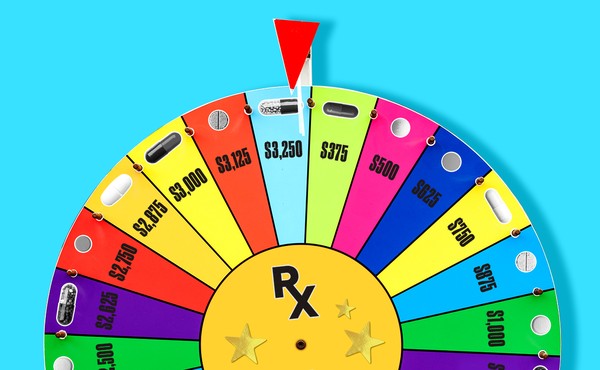
Paul Spella / The Atlantic How Two Common Medications Became One $455 Million Specialty Pill
After I was prescribed a brand-name drug I didn’t need and given a coupon to cover the out-of-pocket costs, I discovered yet another reason why Americans pay too much for health care.
-
![]()
Joe Raedle / Getty / The Atlantic Does Bad Health Care Constitute Cruel and Unusual Punishment?
A class-action lawsuit in Illinois argues that medical treatment inside the state’s corrections system puts inmates “at risk of pain, injury, and death.”
-
-
![]()
Elaina Natario / Katie Martin / The Atlantic How We Spend $3,400,000,000,000
Why more than half of America's healthcare spending goes to five percent of patients
-
![]()
Yuri Gripas / Reuters The Senate's Secrecy Over Health Care Was Decades in the Making
Such deeply clandestine lawmaking is without precedent. But there’s plenty of bipartisan blame to go around for the breakdown in transparency on Capitol Hill.
-
![]()
Emily Jan / The Atlantic The Man Behind Trump's Religious-Freedom Agenda for Health Care
Roger Severino, the devout, conservative head of civil-rights enforcement at HHS, shows the power of behind-the-scenes figures in a dysfunctional Washington.
-
![]()
Alex Brandon / AP Republicans Reckon With a Rushed Health-Care Vote
The Congressional Budget Office’s damning report on the party’s replacement for Obamacare stunned some GOP lawmakers. They shouldn’t have been surprised.
-
![]()
Aaron Bernstein / Reuters The CBO Renders Its Verdict on the Republican Health-Care Bill
People with preexisting conditions could face sharply higher costs in some states if the legislation was enacted, the Congressional Budget Office reported Wednesday.
-
-
![]()
Andrew Harnik / AP How Trump's Budget Would Weaken Public Health
The president’s proposed spending plan would make the country more vulnerable to health emergencies.
-
![]()
Dominick Reuter / AFP / Getty A Republican Congressman Meets His Angry Constituency
“You’ve really taken a beating tonight,” one woman told Representative Tom MacArthur during his town-hall after helping to pass the GOP health-care bill. That was the point.
-
![]()
Carolyn Kaster / AP Will Congress Save the Children's Health Insurance Program?
Funding for the 20-year-old law runs out in September, and a bipartisan extension is taking a backseat to the all-consuming Republican push to repeal the Affordable Care Act.
-
![]()
J. Scott Applewhite / AP All the Lessons Republicans Didn't Learn From Democrats on Health Care
From making unrealistic promises to striking back-room deals, the GOP is repeating the same mistakes in trying to repeal Obamacare that they criticized when it was enacted.
-
![]()
John Duricka / AP The American Health Care Act's Prosperity Gospel
With the bill 51 votes away from law, the central philosophy of the Trump era is one step closer to becoming policy.
-
-
![]()
J. Scott Applewhite / AP How Obamacare Repeal Could Run Aground in the Senate
Republicans in the upper chamber might set aside the House-passed bill and write their own legislation instead. Their narrow majority leaves them almost no room for division.
-
![]()
Evan Vucci / AP Republican Loyalists Are Dooming the Obamacare Repeal Bill
For the second time, GOP leaders have lost the support of a key House veteran for the American Health Care Act at a critical juncture.
-
![]()
Manuel Balce Ceneta / AP Will Democrats Shut Down the Government Over Obamacare?
The Affordable Care Act was behind the last lapse in federal funding in 2013, and Democrats threaten revenge if Republicans try to jam through their repeal bill before a spending agreement is reached.
-
![]()
Andrew Harnik / AP The Trump Administration Won't Sabotage Obamacare—Yet
In its second about-face this week, the White House said it would continue making subsidy payments to insurers as part of the Affordable Care Act. Democrats were demanding the money as part of negotiations to avert a government shutdown.
-
![]()
J. Scott Applewhite / AP Moderates Can Now Sink or Save the Republican Health-Care Bill
With conservatives endorsing an amendment to the party’s Obamacare replacement plan, the legislation’s fate rests with the GOP’s most politically vulnerable members.
-
-
![]()
Carlos Barria / Reuters Is Trumpcare Dead or Alive?
Repealing Obamacare and reviving the GOP’s once-doomed bill are top priorities once again, despite a vow to move on to tax reform.
-
![]()
J. Scott Applewhite / AP The Hasty Resurrection of the American Health Care Act
The Republican plan to replace Obamacare is back under discussion, but its prospects for success are no clearer than they were before.
-
![]()
Orlin Wagner / AP Brownback Vetoes Medicaid Expansion in Kansas
The conservative governor rejected a push by the state’s Republican majority to accept federal money under the Affordable Care Act. But the fight there and in other states will likely continue.