-
![]()
Nasa / UGREEN 3S / Science Photo / … Cancer: The Final Frontier
Landmark breakthroughs in cancer treatment and a policy structure where those advances can flourish have given fuel to the ambitious “Moonshot” to cure the disease. But is it really possible?
-
![]()
Andrey Popov / Shutterstock / Paul Spella / … When Doctors Refuse to Treat LGBT Patients
A new law in Mississippi makes it legal for physicians and therapists to opt out of care on religious grounds. What does this mean for medicine?
-
-
![]()
Paulo Whitaker / Reuters Legalizing Assisted Suicide in Canada
A new measure would legalize the procedure—but only for Canadians.
-
![]()
Ints Kalnins / Reuters The Election, on Drugs
Drug prices are emerging as the most important health-care issue to voters, but can either of the front-running candidates differentiate themselves with real solutions?
-
![]()
xmee / Shutterstock How Antibiotic Resistance Could Make Common Surgeries More Dangerous
If prophylactic antibiotics get 30 percent less effective, there will be 120,000 more infections in the U.S. every year from procedures like C-sections and appendectomies.
-
![]()
Karoly Arvai / Reuters The 4 Kinds of People Who Don’t Vaccinate Their Kids
And how to change their minds
-
The Existential Bleakness of Health Press Releases
-
-
![]()
Regis Duvignau / Reuters When Patients Ignore Doctors' Emotions
When people are in need of medical care, recent research says they’re less likely to recognize physicians’ interiority.
-
![]()
Lucy Nicholson / Reuters Vaccine Skepticism and 'Big Government'
Donald Trump and Ben Carson’s remarks on vaccines during the Republican debates show how hard it is to fight ideology with facts.
-
![]()
Shannon Stapleton / Reuters The Transportation Barrier
Many low-income people in urban and suburban areas struggle to find reliable transportation. The result is missed appointments and poor illness management, even when care is readily available.
-
![]()
FaceMePLS / Flickr The Toxins in Feminine-Hygiene Products
How perfumed toiletries—particularly douches—lead to dangerously high levels of chemicals in the body
-
![]()
Laurent Dubrule / Reuters Online Symptom Checkers Are Often Wrong (Phew)
It's probably not cancer: Looking up conditions on sites like WebMD has inconsistent results.
-
-
![]()
Monkey Business Images / Shutterstock Better Keep Plastic Out of the Microwave
New studies find chemicals in some plastics are linked to higher blood pressure and insulin resistance.
-
![]()
Abbas Dulleh / AP Ebola Returns to Liberia
Three cases of the disease have been confirmed in the country, which previously had been Ebola-free for nearly two months.
-
![]()
Fabian Bimmer / Reuters The Downside of Medical Screening
Depending on the disease, getting tested could do more harm than good.
-
![]()
Sigfrid Lundberg / Flickr In Death, Maximizing Control and Minimizing Suffering
How would you prefer to die? And how can doctors make that a reality?
-
![]()
Fabrizio Bensch / Reuters Antibiotic Resistance Is Everyone's Problem
How can doctors, drug companies, and governments prevent a future where people die of minor infections?
-
-
![]()
Christopher Black / WHO / Reuters Preventing the Next Pandemic
As the Ebola outbreak nears its end, the world prepares for future public-health threats.
-
![]()
Soffie Hicks / Flickr What Does It Mean to Be Healthy, Anyway?
The search for answers often leads to more questions. Notes from Spotlight Health.
-
![]()
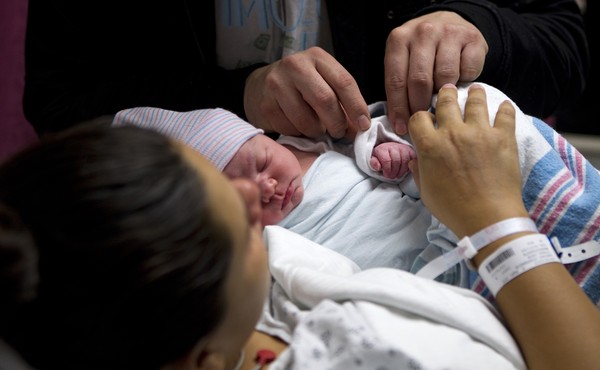
Lucas Jackson / Reuters Call the Midwife
Why a growing number of U.S. mothers are turning to midwives, rather than physicians, for prenatal care, labor, and delivery