Coronavirus: COVID-19
The Atlantic’s coverage of the coronavirus that causes COVID-19
The Atlantic’s coverage of the coronavirus that causes COVID-19
Disease changed the course of the war, and shaped the peace that came afterward, planting the seeds that would destroy Athenian democracy.
A guide to culture in this anxious moment
America’s medical professionals are risking their lives. But their greatest fear is that they’ll move from being part of the solution to part of the problem.
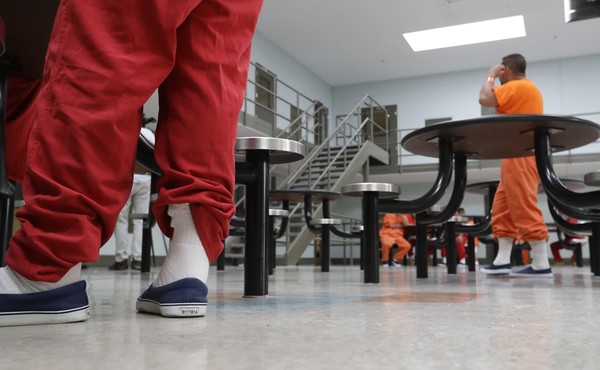
It’s the only way to protect detention facilities and the people in them from COVID-19.
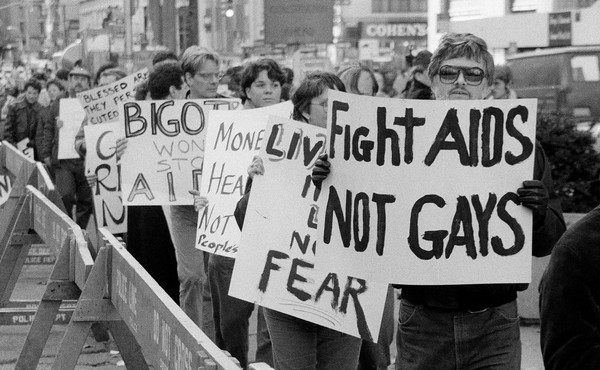
Government inaction or delay have shaped the course of many infectious disease outbreaks in our country.
Economic slowdowns are easy to measure, but the lingering damage to communal bonds may be no less harmful.
The mask shortages in New York are worse than we imagined.
The U.S. is lagging behind on testing and in the race to get a comprehensive picture of the pandemic. The Atlantic’s Alexis C. Madrigal helps explain why.
I’m a war correspondent, but nothing prepared me for navigating the joys and fears of pregnancy under lockdown
The capital’s main business relies on human contact. Now professional networkers are confronting its dangers.
“Six feet away” just doesn’t cut it.
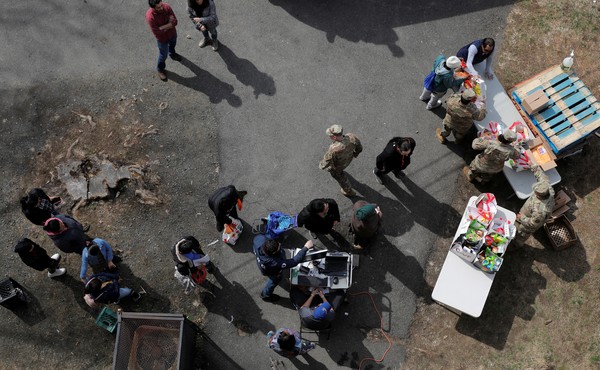
There are three methods of mobilizing America’s citizen soldiers. Which one Trump chooses will matter a great deal.
“We are freezing the economy.”
The death and economic damage sweeping the United States could have been avoided—if only we had started testing for the virus sooner.
Top singers and actors are live-streaming from quarantine, appearing equally bored and technologically inept.
The shutdowns happened remarkably quickly, but the process of resuming our lives will be far more muddled.
These novel approaches could fail in many ways.
As long as lawmakers are allowed to trade individual stocks, disaster profiteering is always a risk.
The country still hasn’t tested enough people to discover most cases, experts say. But our tracker has the latest numbers of confirmed cases for every state.
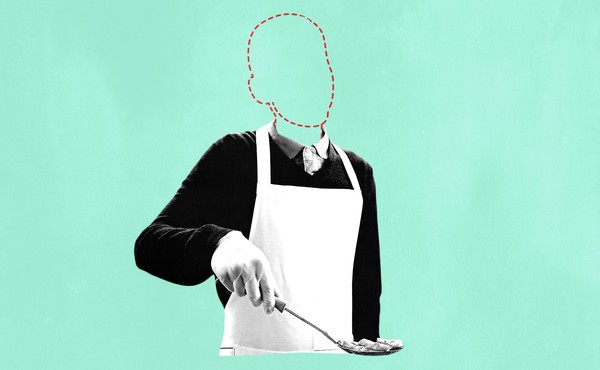
Is it better to put volunteers and the needy at risk by keeping important services open, or to stay home, knowing people will go hungry as a result?