Coronavirus: COVID-19
The Atlantic’s coverage of the coronavirus that causes COVID-19
The Atlantic’s coverage of the coronavirus that causes COVID-19
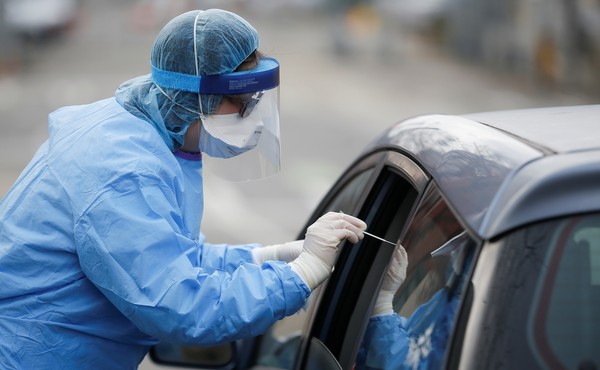
Backlogs at private laboratories have ballooned, making it difficult to treat suffering patients and contain the pandemic.
On a recent visit to San Antonio, I encountered a new example of selfless service.
A coronavirus outbreak in prisons and jails will harm not only inmates, but the public at large.
The influenza pandemic did long-lasting damage to relationships in some American communities. Could the mistrust have been prevented?
If the country hopes to end social distancing and regional lockdowns, the only solution is to build a comprehensive testing infrastructure.
On a recent episode of Social Distance, Ed Yong joins to discuss how the coronavirus outbreak will play out in the United States.
When the machinery of justice is halted abruptly, some of the people trapped inside are not supposed to be there at all.
The president is transmuting his calamitous failures into political gold.
It’s the best option in such extreme circumstances.
Enforcing a large-scale quarantine would be legally murky, even if it’s what the country needs to slow the spread of the coronavirus.
Four ways to help those around you be better informed about the pandemic
During impeachment, Trump claimed far-reaching authority. In a national emergency, he throws up his hands.
Even with perfect leadership, the pandemic was always going to be bad. But the president has caused the crisis to be far worse.
Leaders invoking battle terminology to galvanize national action risk achieving the opposite.
The extent of Oscar Health’s work on coronavirus testing hasn’t been previously reported.
Moviegoers attending drive-ins during the pandemic—finding entertainment outside their homes, together with others, yet safely apart
A physician describes the gap between well-resourced institutions and those struggling to prepare.
More than most, writers have experience with what the poet May Sarton called “a limbo that needs to be patterned from within,” and they provide us with some relevant case studies in how to weave that pattern.
The major dividing line in effective crisis response will not place autocracies on one side and democracies on the other.
The president is more hindrance than help, so leaders in and out of government have to plan around him.