Coronavirus: COVID-19
The Atlantic’s coverage of the coronavirus that causes COVID-19
The Atlantic’s coverage of the coronavirus that causes COVID-19
For American workers displaced by recession, widespread public sympathy soon gives way to moralizing anger.
A pandemic that won’t last forever and ever, amen
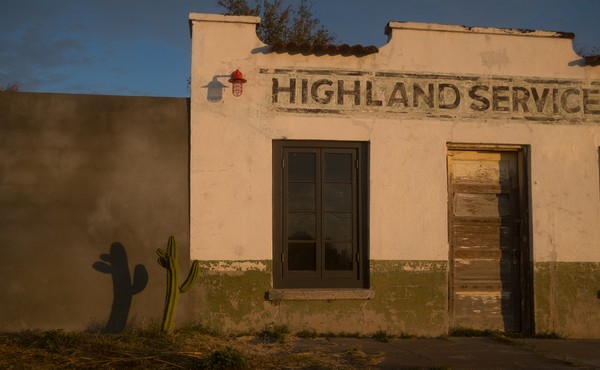
People are fleeing big cities for rural areas in an attempt to outrun COVID-19. In Marfa, Texas, that has divided the community.
Women who observe the Jewish laws of sexual purity have to immerse in a ritual pool after their period. Doing so during an outbreak is complicated—and potentially risky.
These films aren’t all bleak—or obviously about an apocalypse. But each has timeless insights into how humans respond in times of crisis.
The Army Corps of Engineers is converting dozens of hotels and convention centers. Can it do it fast enough?
Facebook and other platforms insisted that they didn’t want to be “arbiters of truth.” The coronavirus changed their mind overnight.
I have ceased to expect appropriate help from administrators, institutions, and the government itself.
I work in a grocery store. All this grandiose praise rings insincere.
And to make matters worse, we’re testing the wrong people.
Fetch the Bolt Cutters, the singer’s first album in eight years, argues that confinement can intensify one’s connection to the greater human whole.
The pandemic will still be far from over, but some aspects of normal life may begin to return.
The response to the pandemic has created a collective aversion to previously innocuous behaviors and settings.
“We don’t have this superficial friendship where I’m only best friends with you when things are funny and happy … I’m also here for all the transitions and all the rough patches.”
If being isolated at home is starting to feel like your own personal prison, it’s because tedium is also used as a severe form of carceral punishment.
The coronavirus will change grocery stores, and probably not for the better.
As the country mobilizes resources to address the pandemic, politicians and corporations may attempt to exploit the crisis to enrich themselves.
As the COVID-19 crisis shifts south, Little Rock Mayor Frank Scott is navigating a whole different sort of city-state politics.
Few figures tell you anything useful about how the coronavirus has spread through the U.S. Here’s one that does.
If the country’s institutions cannot function effectively during a crisis, and especially if a view takes hold that authoritarian regimes are managing the crisis more decisively, a grim future lies ahead.